

A practical vegetable garden series
From one tiny seed to crisp, colourful peppers warmed by the Hungarian sun.
|
GROW WITH US Bell peppers reward patience. Start them warm and early, give them sun and steady care, and one compact plant can produce crisp green peppers followed by sweet, colourful ripe fruit. |
Written for home gardeners in Hungary
CHAPTER WELCOME
Your bell pepper season starts here
This book follows the whole journey: seed → seedling → garden → care → flowering → fruit → harvest → kitchen → next season.
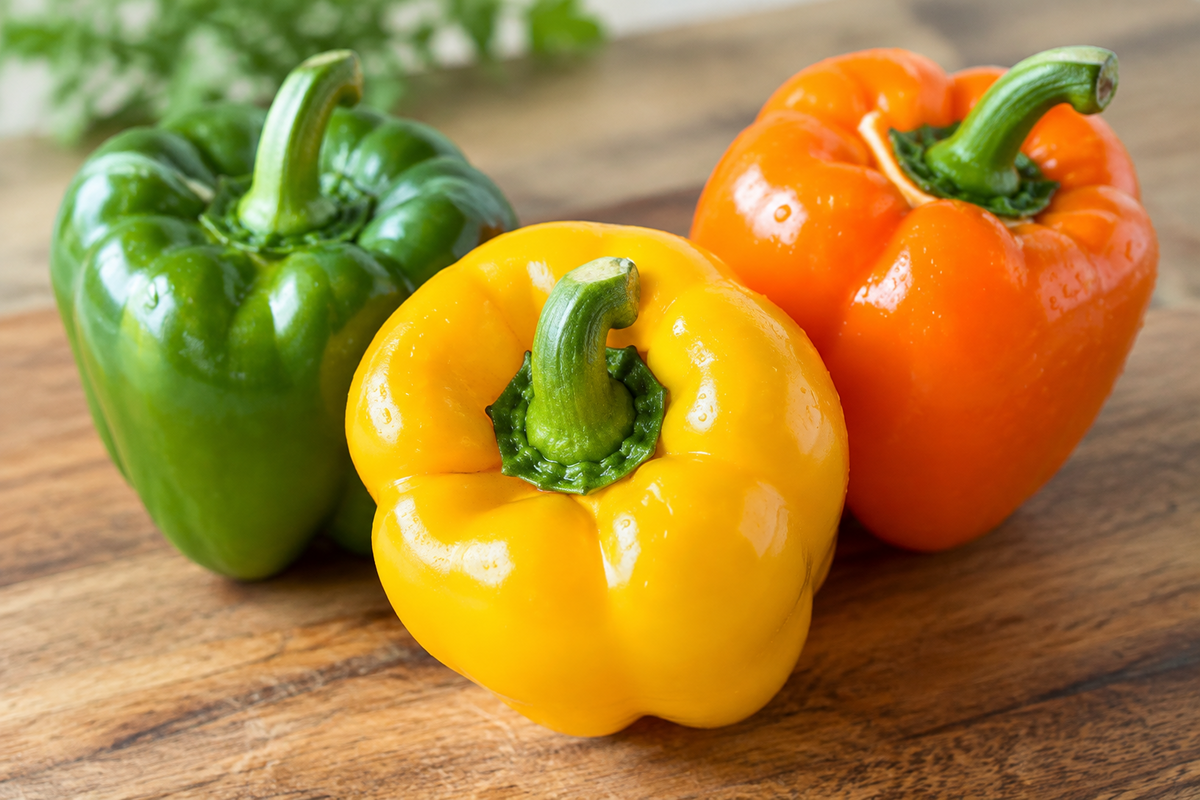
Bell peppers are one of the great rewards of a warm summer garden. The plants are compact enough for beds and large containers, their white flowers are pretty, and the fruits can be harvested green or left to ripen into red, yellow, orange, purple or other colours.
They do ask for patience. Pepper seeds need warmth, seedlings grow more slowly than tomatoes, and cool nights can stop them in their tracks. This book shows you when to sow, how to raise sturdy plants and how to keep them productive through a Hungarian summer.
Our Hungarian calendar
|
February–early March |
Sow indoors with warmth and very bright light. |
|
March–April |
Pot on seedlings; keep warm and growing steadily. |
|
Early–mid May |
Harden off carefully; watch night temperatures. |
|
Around mid-May onward |
Plant outside once frost risk has passed and nights and soil are warm. |
|
June–August |
Water, feed, support and harvest green or coloured fruits. |
|
September–October |
Ripen the final crop; protect plants from cold nights and save seed if wanted. |
|
WHAT I WOULD DO In Hungary I would rather plant a pepper a week late than a week early. A chilled pepper can sit still for ages, while a warm, sturdy plant often catches up quickly once summer conditions arrive. |
The rule for bell peppers: start early, keep them warm, and never rush a tender plant into cold spring soil.
CHAPTER 1
Meet the Bell Pepper
Before we sow anything, let’s understand the warm-season plant we are asking to produce those crisp, hollow fruits.
Bell peppers are sweet forms of Capsicum annuum. They are tender plants that love warmth, bright light and a long growing season. Unlike hot chillies, ordinary sweet bell peppers are selected for little or no pungency. Each fruit begins as a flower and usually starts green before ripening to its mature colour.
Green or fully ripe?
|
Green stage |
Most bell peppers can be eaten while green once they are full-sized and firm. |
|
Mature colour |
If left on the plant, the same fruit may ripen to red, yellow, orange, chocolate, purple or another colour depending on variety. |
Then choose by how you want to use them
· Blocky bell peppers: thick-walled, crisp fruits for salads, stuffing and roasting.
· Long sweet peppers: often earlier and excellent for frying or fresh eating.
· Mini sweet peppers: small, productive fruits for snacking and containers.
· Early varieties: useful where the outdoor season is shorter or nights cool early.
· Coloured bells: green fruits that mature to red, yellow, orange, chocolate or purple depending on variety.
· Container types: compact plants bred to crop well in pots and small spaces.
|
GOOD TO KNOW Green and red peppers are not always different varieties. Many red bell peppers begin green and simply change colour as they mature. Check the variety description to know the final colour. |
CHAPTER 2
Choose Your Bell Pepper
The best pepper is one that has enough time and warmth to ripen in your garden—and produces the kind of fruit you actually want to eat.
Ask yourself five questions
1. Will it grow outdoors, in a greenhouse, or in a large container?
2. Do I want green peppers quickly or fully coloured ripe peppers later?
3. How large and thick-walled do I want the fruits?
4. Is the variety early enough for my local growing season?
5. Do I want peppers for salads, stuffing, roasting, frying or freezing?
A beginner-friendly way to start
|
Early blocky bell |
A dependable choice when you want classic thick-walled peppers within a shorter season. |
|
Coloured bell |
Grow for both green fruits and fully ripe red, yellow or orange harvests. |
|
Mini sweet pepper |
Productive, snack-sized fruit and a good choice for containers. |
|
Long sweet pepper |
Often earlier than large bells and excellent for frying, salads and roasting. |
|
A COMMON MISTAKE Choosing a beautiful late variety without checking how long it needs to mature. In a Hungarian outdoor garden, an earlier pepper may give you far more fully coloured fruit before autumn cools the plants. |
|
TRY THIS Grow one early variety and one colourful later variety. The early plant gives confidence and quick harvests; the second shows you how dramatically flavour changes when peppers ripen fully. |
CHAPTER 3
Let’s Sow
Bell peppers are not difficult to germinate when they are warm, but they are slower than tomatoes. Starting early indoors gives them the long season they need.
When to sow in Hungary
For most home gardeners, February to early March is a practical indoor sowing window. Peppers need strong light after germination, so sowing much earlier only helps if you can provide warmth and good supplementary light. The goal is a sturdy young plant ready for warm conditions in May—not a huge plant waiting impatiently on a windowsill.
What you need
· Fresh bell pepper seed
· Fine seed-starting mix and small pots or modules
· A warm germination place or heat mat if the room is cool
· Labels—pepper varieties look remarkably similar as seedlings
· Very bright light once seedlings appear
Sowing, step by step
6. Fill pots or modules with moist seed-starting mix and firm it gently.
7. Sow one or two seeds per cell about 0.5–1 cm deep.
8. Cover lightly, water gently and keep the mix evenly moist rather than wet.
9. Keep the seed warm; peppers germinate much more reliably in warm conditions.
10. As soon as shoots appear, move them into the brightest light you can provide and remove any humidity cover.
|
DON’T PANIC Pepper seeds are often slower than tomato seeds. Warmth matters enormously. If the compost is cool, germination can be slow and uneven even when the seed is perfectly good. |
|
A COMMON MISTAKE Sowing very early on a dim windowsill. Extra weeks do not help if the seedlings become pale and weak. Warmth starts the seed; strong light builds the plant. |
CHAPTER 4
Seedling School
Pepper seedlings grow steadily rather than dramatically. Warm roots, strong light and sensible watering matter more than trying to make them grow fast.
Light first
Once seedlings emerge, give them very bright light. A warm windowsill without enough light produces thin, leaning plants. Rotate pots regularly, or use a grow light if natural light is weak.
Potting on
When seedlings have several true leaves and roots are filling their first container, move them into individual pots. Handle them by the leaves rather than squeezing the stem, and keep them at roughly the same planting depth.
Water without drowning them
Water thoroughly, then allow the surface to begin drying before watering again. Pepper roots dislike constantly saturated compost, especially while conditions are cool.
Feeding
Fresh potting compost carries young plants for a while. Once plants are established and actively growing, use a dilute balanced feed according to the label. Heavy feeding too early creates soft growth rather than a stronger plant.
|
WHAT I WOULD DO I look for a compact seedling with a sturdy stem, healthy green leaves and roots that fill the pot without circling tightly. I am not trying to grow the tallest pepper plant before May. |
|
DON’T PANIC Pepper seedlings can seem to pause after potting on or during cool weather. If the roots are healthy and the plant has good light, warmth and sensible moisture, give it time before reaching for extra fertiliser. |
CHAPTER 5
Ready for the Real World
A pepper raised indoors has never experienced wind, cool nights or full spring sunshine. Hardening off gradually is essential.
Hardening off: about 7–10 days
11. Begin on a mild day in a sheltered bright place, away from fierce midday sun.
12. Bring plants back under cover before the evening becomes cold.
13. Increase outdoor time and direct sun a little each day.
14. Let gentle air movement strengthen the stems.
15. By the end, plants should tolerate a full day outdoors in warm settled weather.
When can they stay outside in Hungary?
Bell peppers are more cold-sensitive than many vegetables. Wait until frost risk has passed, nights are reliably mild and the soil has warmed—commonly from around mid-May onward, depending on your location and the year.
A sheltered urban garden may warm earlier than an exposed rural plot. In western Hungary or cold hollows, chilly nights can linger. Do not let one warm afternoon persuade you that summer has arrived.
|
A COMMON MISTAKE Treating bell peppers like hardy spring vegetables. One sunny May day does not mean warm nights have arrived. Cold soil and chilly nights can stall a pepper plant badly. |
|
GOOD TO KNOW Bell peppers love warmth, but hardening off still matters. Indoor leaves can scorch in strong spring sun, so increase outdoor exposure gradually even when the temperature feels perfect. |
CHAPTER 6
Give Them a Good Home
Warm soil, full sun and shelter from strong wind give bell peppers the best start.
The right place
Choose a sunny, warm position with fertile, free-draining soil. A south-facing bed, sheltered courtyard or greenhouse can be especially useful. Avoid low, cold, waterlogged ground.
Spacing
Many bell peppers are comfortable around 40–50 cm apart, but compact and vigorous varieties differ. Leave enough space for light and airflow, and always check the variety description.
Planting day
16. Water the pot before planting so the root ball is evenly moist.
17. Plant at roughly the same depth it grew in the pot and firm the soil gently.
18. Water deeply at the base after planting.
19. Add a stake at planting if the variety carries large or heavy fruits.
20. Once the soil is warm, mulch to slow moisture loss during summer heat.
Growing in pots
Bell peppers are excellent container plants. Use one plant per generous pot—around 10–15 litres or larger is much easier to keep evenly watered. Choose quality potting mix, excellent drainage and the sunniest warm position you have. Containers warm quickly but also dry quickly.
|
TRY THIS Place a container pepper near a warm south-facing wall. The sheltered microclimate can make a noticeable difference, especially in cooler parts of Hungary or in a summer with cool nights. |
CHAPTER 7
Water, Feed & Keep Them Fruiting
Pepper care is about warmth and consistency. Avoid repeated swings between drought, flooding and heavy feeding.
Watering
Water deeply at the base and let the upper surface begin to dry before watering again. In hot Hungarian weather, containers may need daily attention. Irregular watering can contribute to blossom-end rot and poor fruit development.
Mulch and heat
Mulch helps keep root moisture steadier once the soil is properly warm. During extreme heat, fruit exposed suddenly after heavy leaf removal can scorch, so keep a healthy canopy over the crop.
Feeding
Once flowering and fruiting are underway, a fertiliser intended for tomatoes or other fruiting vegetables can be useful, especially in containers. Follow the label and avoid excessive nitrogen, which encourages leaves at the expense of flowers and fruit.
Support and fruit load
Many plants stand without help, but large-fruited varieties can become top-heavy. Use a short stake and soft ties before branches bend under a heavy crop. Harvesting mature fruits also reduces the load and encourages the plant to continue.
|
WHAT I WOULD DO During a hot Hungarian summer I focus on steady moisture, healthy leaf cover and regular picking. I do not strip the plant bare: those leaves help protect developing peppers from fierce sun. |
CHAPTER 8
Flowers, Fruit & “What Is That?”
Most pepper problems become easier when you look at the whole plant and think about temperature, watering and recent weather first.
Flowers but no peppers?
Bell peppers are self-fertile, but temperature affects pollination and fruit set. Very cool nights or prolonged extreme heat can cause flowers to drop. Keep plants evenly watered and wait for more moderate weather; fruit set often improves when conditions settle.
The beginner’s trouble guide
|
Flowers fall without fruit |
Temperature stress is common. Keep watering steady and wait for more moderate weather. |
|
Black sunken patch at blossom end |
Often blossom-end rot linked to uneven moisture and calcium movement. Improve watering consistency. |
|
Pale papery patch on fruit |
Likely sunscald. Keep enough healthy leaves to shade developing peppers. |
|
Leaves curl or wilt in midday heat |
Check soil moisture and recovery in the evening before assuming disease. |
|
Sticky leaves or clustered insects |
Aphids may be feeding. Inspect shoot tips and leaf undersides and act early if numbers build. |
|
DON’T PANIC One dropped flower is not a failed crop. Peppers naturally lose some flowers, and heat or cool weather can temporarily interrupt fruit set. Look for a pattern before treating the plant. |
|
A COMMON MISTAKE Leaving every fruit on the plant because you want them all fully coloured. A heavily loaded plant can slow down. Harvest some green peppers and let selected fruits continue to ripen for sweetness and colour. |
CHAPTER 9
Can I Pick It Yet?
Yes—and bell peppers give you a choice: pick them green, or wait for the sweeter fully ripe colour.
What “ripe” looks like
A bell pepper can be harvested once it has reached a useful size, feels firm and glossy, and has thickened well. At this stage many varieties are still green. Leave the fruit longer and it will gradually change to its mature colour, usually becoming sweeter and more aromatic.
Harvest by purpose
|
Green and full-sized |
Harvest now for crisp texture and a fresher, slightly less sweet flavour. |
|
Colour just beginning |
The fruit is entering ripening; you can pick it or leave it to sweeten further. |
|
Fully coloured |
Usually sweeter and more aromatic; ideal for eating raw and roasting. |
|
Cold weather approaching |
Harvest usable fruits before cold damages the plant; mature peppers may continue colouring after picking. |
How often should I check?
During warm weather, check plants every few days. Cut fruits with secateurs or a knife, leaving a short piece of stem attached. Pulling or twisting hard can snap a branch, especially when several heavy peppers hang together.
|
READY TO HARVEST? Look for a firm, glossy fruit that has reached the expected size for the variety. You do not have to wait for colour. Pick one green, leave another to ripen, and taste the difference. |
|
TRY THIS Taste the same variety twice: once green and once at its mature colour. It is one of the simplest garden experiments, and it teaches you exactly when you prefer to harvest your peppers. |
CHAPTER 10
From the Garden to the Kitchen
Bell peppers are one of those crops that can go from plant to plate with almost no preparation.
The first rule: enjoy both stages
Green peppers are crisp, fresh and slightly more grassy or bitter; fully coloured peppers are usually sweeter and fruitier. Harvesting some green gives you an earlier crop, while leaving others to colour gives you a different flavour from the same plant.
Match the pepper to the job
· Green bells: salads, frying, stews, stuffed peppers and dishes where a fresher flavour works well.
· Red, yellow and orange bells: roasting, salads, sauces and sweet raw snacking.
· Mini sweet peppers: lunchboxes, grilling whole and quick snacks.
· Thick-walled large peppers: ideal for stuffing, roasting and freezing in strips.
|
FROM THE KITCHEN Simple roasted peppers: halve and deseed ripe peppers, roast until soft and lightly charred, then cover briefly so the skins loosen. Peel if you like, add olive oil, salt and a little vinegar, and serve warm or cold. |
Storing fresh peppers
Fresh peppers keep best cool and dry. Refrigerate harvested fruit if you are not using it promptly, but avoid trapping wet peppers in a sealed container where condensation encourages decay.
When you have far too many
Slice and freeze peppers for cooked dishes, roast and freeze them, make relishes or preserve them using a tested recipe. Frozen peppers lose some crispness but remain excellent for soups, sauces, stews and cooked meals.
CHAPTER 11
Next Season Starts Now
The end of the pepper season is the perfect time to decide which varieties earned another place in your garden.
Keep a tiny garden record
· Variety name and mature fruit colour
· Sowing date and outdoor planting date
· First green harvest and first fully coloured fruit
· Flavour and wall thickness
· Performance during summer heat
· Any blossom-end rot, sunscald, aphid or pest problems
· Whether the plant was productive enough for the space it used
Saving bell pepper seed
Seed saving is most predictable from open-pollinated varieties. F1 hybrids may produce seedlings that differ from the parent. Choose a healthy, fully mature fruit that has reached its final ripe colour and take seed from a healthy plant.
21. Cut the ripe pepper open and remove mature seeds from the central core.
22. Spread the seeds in a single layer on a plate or other non-absorbent surface.
23. Dry them thoroughly in a ventilated place away from strong direct sun.
24. Store completely dry seed in a labelled paper packet in a cool, dark, dry place.
25. Remember that different pepper varieties can cross-pollinate. If keeping a variety true matters, learn isolation or blossom-bagging techniques.
|
GOOD TO KNOW Pepper seeds are attached to the pale central tissue inside the fruit, not loose in the hollow cavity. The sweet flesh is the fruit wall; the white interior ribs and central core hold most of the seeds. |
|
WHAT I WOULD DO My end-of-season note would be: first harvest, first fully coloured fruit, flavour and total productivity. Those four details quickly tell me which pepper deserves space next year. |
COME GROW WITH ME
BELL PEPPER CHEAT SHEET
The page to come back to when you have soil on your hands and no time to reread the whole book.
|
SOW |
Feb–early March indoors |
0.5–1 cm deep |
|
GERMINATE |
Warm; evenly moist |
Bright light after emergence |
|
PLANT OUT |
Usually mid-May onward |
Only when nights and soil are warm |
|
POSITION |
Full sun; warm, sheltered |
Fertile, free-draining soil |
|
SPACE |
Usually 40–50 cm |
Adjust for variety |
|
Water |
Water deeply at the base; keep moisture steady, especially in pots. |
|
Feed |
Use fruiting-vegetable feed once flowering and fruiting begin. |
|
Support |
Stake heavy-fruited plants early; tie loosely. |
|
Prune |
Minimal pruning; keep healthy leaves to shade fruit. |
|
Harvest |
Pick green when full-sized, or leave to colour and sweeten. |
|
Big warning |
Cold stalls peppers; uneven watering and exposed fruit cause problems. |
|
HUNGARY IN ONE LINE Sow indoors in late winter, plant outside only when May conditions are truly warm, then keep moisture and feeding steady through summer. |
MASTER BOOK • Come Grow With Me vegetable series
References consulted include Royal Horticultural Society and university extension guidance on sweet pepper growing.


