

A practical vegetable garden series
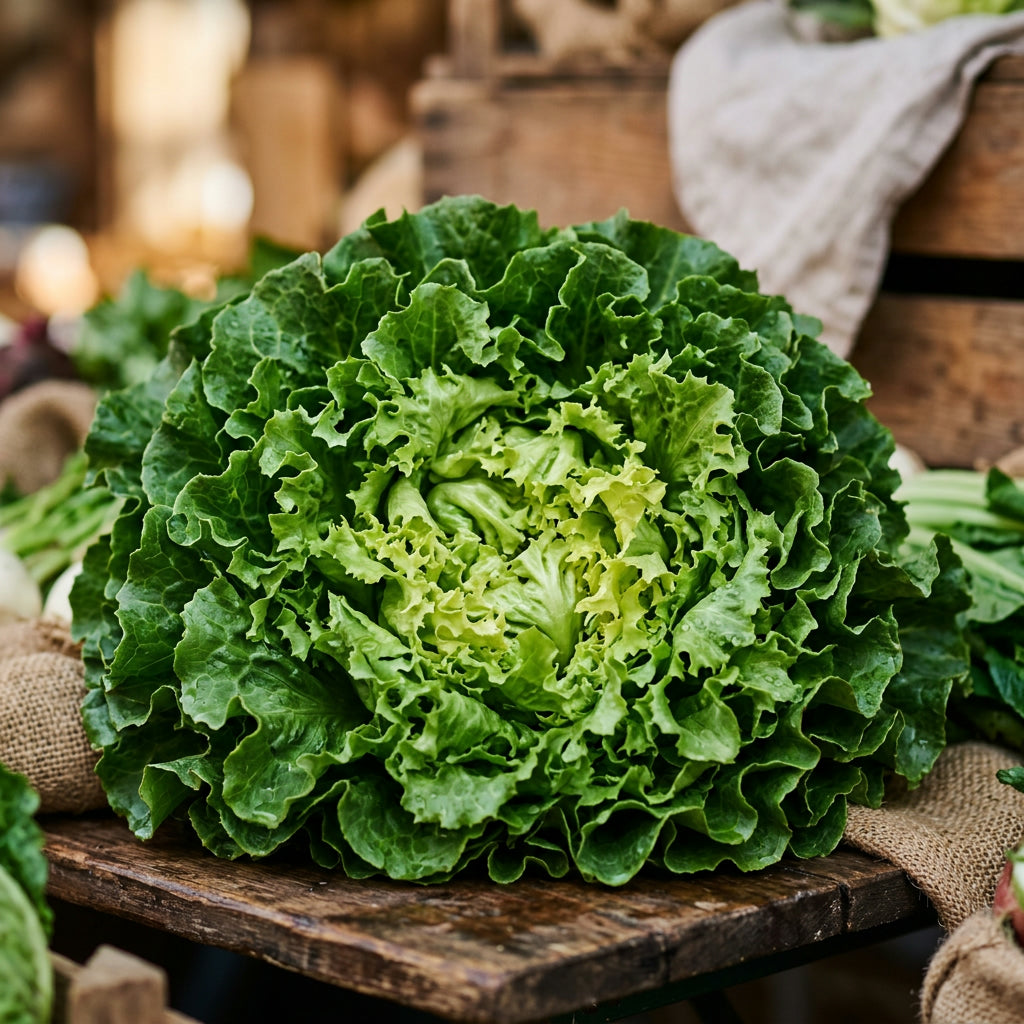
Grow tender frisée leaves or sturdy escarole heads for salads and cooking.
|
GROW WITH US Endive is an easy leafy crop when you sow it in warm soil and keep it watered. Choose frisée for curly salad leaves or escarole for sturdy heads, then pick leaves young or grow a full head for blanching. Make small sowings through summer and enjoy fresh greens from late spring into autumn. |
Written for home gardeners in Hungary
CHAPTER WELCOME
Your endive season starts here
This book follows the whole journey: seed → seedling → garden → care → harvest → kitchen → next season.
Endive is a leafy salad crop with a fresh, pleasantly bitter flavour. It comes in two familiar forms: curly frisée, with fine frilled leaves, and broad-leaved Batavian endive, also called escarole. You can harvest young leaves for salads or grow a full head and blanch its centre to make the leaves paler, milder and more tender.
In Hungary, sow outdoors once the soil is warm in late spring, then make small repeat sowings through summer. Endive can bolt after a cold start or during hot, dry weather, so timing and watering matter. For autumn and early winter leaves, sow escarole in late July or early August. Near Győr, protect late crops with fleece and harvest before severe, prolonged frost.
Our Hungarian calendar
|
Late May |
Sow outdoors once the soil has warmed. |
|
June–July |
Repeat small sowings for a steady supply. |
|
Late July–early August |
Sow escarole for autumn and winter heads. |
|
Summer |
Water regularly and give light shade in heat. |
|
September–October |
Harvest leaves and mature heads. |
|
Autumn |
Protect late crops and pick before hard frost. |
|
WHAT I WOULD DO I would sow frisée in a short row from late May and repeat every few weeks. In late July, I would sow escarole for autumn heads, then blanch one plant at a time when I was ready to use it. |
The rule for this series: dates guide us, but the plant and the weather make the final decision.
CHAPTER 1
Meet the Endive
Endive forms a loose rosette or head of textured leaves, depending on the variety.
Endive (Cichorium endivia) belongs to the chicory family, but it is a different crop from Belgian endive or witloof, which is made by forcing roots of Cichorium intybus. Leafy endive is grown for its open rosette: frisée has finely cut, curly leaves, while Batavian endive, or escarole, has broader, sturdier leaves. Both can be harvested young or grown into a mature head.
Frisée or escarole?
|
Frisée |
Curly, finely cut leaves, often used young in salads. |
|
Escarole |
Broad-leaved Batavian endive, sturdier for mature heads and cool weather. |
Two forms of leafy endive
· Frisée: finely divided, curly leaves for salads and young picking.
· Escarole: broad, robust leaves suited to full heads and cool-season crops.
· Baby leaves: ready for cut-and-come-again picking.
· Mature heads: take longer to grow and can be blanched.
· Some varieties are self-blanching or bolt-resistant.
· Related crops: endive is close to chicory and radicchio.
|
GOOD TO KNOW Leafy endive (Cichorium endivia) is different from Belgian endive or witloof, which is produced by forcing chicory roots. |
CHAPTER 2
Choose Your Endive
Choose a leaf shape and harvest style, then time the sowing to avoid cold starts and summer heat.
Ask yourself five questions
1. Would I like curly frisée or broad-leaved escarole?
2. Do I want baby leaves, a mature head or both?
3. Can I sow when soil is warm and keep it evenly moist?
4. Would I like to blanch some heads for a milder centre?
5. Can I protect a late crop from severe cold?
A beginner-friendly first planting
|
Wait for warm soil |
Endive can bolt after a cold start. |
|
Sow small batches |
Repeat every few weeks through summer. |
|
Keep soil moist |
Heat and drought encourage flowering. |
|
Choose your type |
Frisée for salad; escarole for autumn heads. |
|
A COMMON MISTAKE Sowing into cold spring soil. Wait until the ground is warm; cold conditions when plants are young can trigger bolting. |
|
TRY THIS Grow both frisée and escarole. Taste the leaves young, then blanch one mature head to compare the milder centre. |
CHAPTER 3
Let’s Sow
Endive grows readily from seed once the soil is warm. Direct sowing is simple, while modules can help you protect seedlings from slugs. Avoid sowing too early into cold conditions: young plants exposed to prolonged cold may bolt before forming a useful head. Sow small batches every few weeks so you can harvest leaves over a longer period.
When to sow in Hungary
Wait until the soil has warmed to at least 15°C, usually from late May. Prepare a fine seedbed and make drills about 1 cm deep, with rows 30 cm apart. Sow thinly, cover lightly and water gently. Thin full-size plants to 25–35 cm apart as they grow; baby-leaf plants can stay about 5 cm apart. Sow another short row every two or three weeks through July. For an autumn or winter crop, sow escarole in late July or early August.
What you need
· Frisée or escarole seeds for your chosen harvest
· A hand fork and rake for a fine seedbed
· Plant labels and a pencil for the variety and date
· A watering can with a fine rose
· Fine mesh or fleece for pests and late cold
Sowing, step by step
1. Choose a sunny bed or light shade for midsummer sowings.
2. Make a shallow drill about 1 cm deep and water along it if dry.
3. Sow seeds thinly, cover lightly and label the row.
4. Keep the seedbed evenly moist until seedlings appear.
5. Thin gradually to baby-leaf or full-head spacing.
|
DON’T PANIC Endive has a naturally bitter edge. The intensity varies by variety, and blanching a mature head makes the centre milder. |
|
A COMMON MISTAKE Letting the bed dry during hot weather. Endive may flower early when stressed by heat and drought. |
CHAPTER 4
Seedling School
Endive seedlings are small at first. Thin them while young and protect them from slugs so they can make a strong rosette.
Recognise young endive
The first leaves are small and simple, then the plant develops its characteristic jagged or curly leaves. Keep seedlings weed-free and evenly watered. Thin crowded rows gradually, using spare seedlings as salad greens. If you started them in modules, transplant while they are small and handle the roots gently. Endive is easier to establish in warm conditions than after a cold spell.
Why has my endive started flowering?
Flowering, or bolting, can follow cold conditions while the plant is young or hot, dry weather later in the season. Once a central flower stem rises, leaf quality declines and the plant will not form a good head. Sow after the soil warms, keep moisture steady and choose a bolt-resistant variety for earlier sowings. Harvest a bolting plant promptly while leaves are still usable.
Water while they settle
Water the seedbed after sowing and keep it from drying until seedlings are established. Endive has shallow roots, so regular moisture helps it grow quickly and stay tender. Water young transplants well after planting and check the bed during warm weather. Pots dry faster than garden soil and need more frequent attention.
Feeding
Endive grows well in soil enriched with mature compost. It usually does not need extra feed in a fertile bed. If you are growing it in a container or very light soil, an occasional general liquid feed can help. Follow the product label and check watering and weeds before assuming the plants need more nutrients.
|
WHAT I WOULD DO I would use light shade for a summer sowing and reserve a sunny patch for late-summer escarole, when the weather begins to cool. |
|
DON’T PANIC A little bitterness is part of endive’s flavour. Try the inner leaves or blanch the head if you prefer a gentler taste. |
CHAPTER 5
Ready for the Real World
Move module-grown endive outside once it is growing strongly and temperatures have settled. Harden it off and avoid cold snaps while plants are young.
Before planting: check the plants and the bed
1. Choose seedlings with several healthy leaves and a compact centre.
2. Water modules before planting.
3. Harden indoor-grown plants off gradually.
4. Prepare fertile soil that holds moisture but drains well.
5. Plant gently and water each seedling in.
When is it ready in Hungary?
For direct sowing, wait until late May, when the soil is warm enough for reliable germination. If starting modules earlier, keep seedlings protected from prolonged cold and plant them out only after they are growing strongly. For mature heads, allow roughly three months from sowing. Baby-leaf crops grow faster and can be harvested after about a month.
Near Győr, make a late July or early August sowing of escarole for autumn picking. Keep young plants watered during summer heat, then cover outdoor crops with fleece from October if you want to extend the harvest. Endive tolerates cool weather, but severe or prolonged frost can damage leaves; pick mature heads before a hard freeze.
|
A COMMON MISTAKE Covering a wet head to blanch it. Wait until the leaves are dry so moisture does not get trapped and cause rot. |
|
GOOD TO KNOW Full heads take around three months to mature; baby leaves can be ready in about a month. |
CHAPTER 6
Give Them a Good Home
Moist, fertile soil and enough space help endive grow a crisp, full rosette.
The right place
Choose a sunny position in spring and autumn. In midsummer, light shade can reduce heat stress and delay bolting. Endive likes fertile soil that holds moisture without becoming waterlogged. Mix in mature compost before sowing, remove weeds and rotate it away from other chicory-family crops where possible. A fine mesh cover can protect young plants from slugs and insects.
Spacing
For mature heads, leave about 25–35 cm between plants and 30 cm between rows. Compact varieties may need less space, so check the seed packet. For baby leaves, sow more closely, about 5 cm apart. Give heads enough room to dry after rain and to develop an upright centre that can be blanched if desired.
Planting day
1. Water seedlings and prepare a moist, weed-free bed.
2. Make a hole large enough for the root ball.
3. Set the seedling at the same depth it was growing.
4. Firm gently and water around each plant.
5. Cover young plants with mesh if slugs or birds are a problem.
Growing in pots
Endive grows well in containers. Use a pot at least 30–40 cm wide with drainage holes and fresh potting mix. Sow directly in the pot or transplant young modules, then thin to the spacing for baby leaves or mature heads. Place it in sun or light shade and water regularly, especially in hot weather.
|
TRY THIS Make a crisp endive salad with apple, walnuts and a creamy yoghurt dressing to balance the leaves’ bitter flavour. |
CHAPTER 7
Water, Feed & Keep Them Growing
Endive grows best when it does not run short of water or sit in soggy soil.
Watering
Keep the soil evenly moist, especially during warm weather and while heads are forming. Dry soil can trigger bolting and make the leaves tougher. Water at the base in the morning and check container plants regularly. Avoid waterlogging, which can lead to rotting. A consistent supply of moisture helps the rosette grow quickly and stay tender.
Mulch
Once plants are established, spread a thin layer of mature compost between rows to conserve moisture and suppress weeds. Leave the crown clear so air can circulate around the leaves. Mulch is useful during a hot, dry Hungarian summer, but do not cover tiny seedlings or wet leaves.
Feeding
A bed prepared with compost usually has enough nutrients for endive. In a container or light soil, a general liquid feed every few weeks can support growth. Avoid excess feeding; steady water, enough space and weed control are more important for good heads.
Keep plants healthy
Keep the bed weed-free and check the leaves for slugs, snails and aphids. Water consistently in dry weather and give plants enough space for airflow. If you want milder hearts, blanch mature, dry plants by loosely tying the outer leaves or covering the centre. Blanch only a few heads at a time and check regularly for slugs or rot.
|
WHAT I WOULD DO I would sow only a short row at a time. Endive is best fresh, and successive batches are easier to manage than a large glut. |
CHAPTER 8
Leaves, Stems & “What Is That?”
Endive leaves may be finely curled or broad and flat, depending on the type.
Why are the leaves bitter?
A pleasantly bitter taste is normal for endive, but the flavour varies by variety and growing conditions. To make a mature head milder, blanch the centre by excluding light for about two weeks. The plant and leaves must be dry before you cover them; damp, covered leaves can rot. Some varieties are self-blanching, so check the seed packet before tying them.
The beginner’s trouble guide
|
Plant bolts early |
Cold when young or hot, dry weather may trigger flowering. Sow at the right time and keep soil moist. |
|
Leaves are bitter |
This is normal for endive. Try a different variety or blanch mature heads. |
|
Slugs hide in the centre |
Check under leaves and around blanching covers; remove pests promptly. |
|
Head rots under cover |
Leaves may have been damp. Uncover, remove spoiled growth and blanch only dry plants. |
|
Seedlings vanish |
Slugs or snails may be feeding. Protect young plants with mesh or a suitable barrier. |
|
DON’T PANIC If a flower stem appears, the plant will not make a good head, but you can still pick usable leaves before they toughen. |
|
A COMMON MISTAKE Blanching every plant at once. Blanched heads deteriorate quickly, so cover only a few at a time and use them soon. |
CHAPTER 9
Can I Pick It Yet?
Yes—when you have enough tender leaves to use, or when a mature head feels full. Baby leaves may be ready in about a month; full heads take roughly three months.
What “ready” looks like
Pick baby leaves when they are large enough to use, often about four weeks after sowing. A mature head is ready when the centre is full and the plant has reached the size expected for its variety, usually about three months after sowing. Blanched centres should be noticeably paler and tender. Cut the whole head at the base with a clean knife.
Harvest from summer to winter
|
Baby leaves |
Pick when leaves are large enough to use, about a month after sowing. |
|
Mature head |
Usually ready around three months after sowing. |
|
Blanched centre |
Paler and more tender after about two weeks covered. |
|
Harvesting |
Cut the head at the base and use promptly. |
How often should I check?
Check plants weekly for usable outer leaves and keep an eye on the centre of each head. Baby-leaf plants can provide more than one picking if you leave the growing point. Harvest full heads before they become loose or start to bolt. Blanched heads deteriorate quickly after uncovering, so blanch only as many as you can use soon.
|
READY TO HARVEST? Pick young leaves when they are large enough for a salad. For a full head, wait until the rosette is well formed; blanch first if you want a milder, paler centre. |
|
TRY THIS Blanch one mature head by loosely tying its dry outer leaves together. Check the pale centre after about two weeks. |
CHAPTER 10
From the Garden to the Kitchen
Endive adds crisp texture and a refreshing bitter note to salads and cooked dishes.
The first rule: taste and balance the bitterness
Wash the leaves well, especially the curls, where soil and small insects can hide. Young frisée leaves add crunch to salads, while broader escarole leaves can be sautéed, braised or added to soup. Blanched inner leaves are milder and more tender. Pair endive with something creamy, sweet or tangy, such as apple, pear, citrus, cheese or a yoghurt dressing.
Match the leaves to the dish
· Young frisée: add to salads for a crisp, bitter note.
· Escarole leaves: sauté with garlic or stir into soup.
· Blanched hearts: serve raw with a creamy dressing.
· Outer leaves: cook if they are too tough for a salad.
|
FROM THE KITCHEN Frisée and apple salad: tear young endive leaves, add sliced apple and toasted walnuts, then toss with a creamy yoghurt dressing. |
Storing fresh endive
Use endive soon after picking for the best crunch. Keep unwashed heads in a loose bag in the refrigerator and wash just before use. Remove damaged outer leaves before storing. If you have blanched a head, uncover it only when you are ready to harvest and use it promptly.
When you have more than you can use
Endive is best eaten fresh, but extra mature leaves can be cooked and frozen for soups or stews. Wash, chop and blanch them briefly, cool quickly, drain well and freeze in portions. The texture softens after freezing, so use it in cooked dishes rather than salads. Small repeat sowings make it easier to harvest just what you need.
CHAPTER 11
Next Season Starts Now
A few notes about sowing dates, variety and blanching will make next year’s endive crop easier to plan.
Keep a tiny garden record
· Variety name and whether it was frisée or escarole
· Dates each sowing was made
· When seedlings were thinned or transplanted
· How the bed held moisture during summer
· When baby leaves and full heads were ready
· Whether plants bolted before harvest
· Which variety and flavour you preferred
Saving seed and planning another crop
Endive is usually grown as an annual and may flower if left in the bed. You can allow a healthy plant to set seed. Endive can self-pollinate, but insects may also move pollen between flowering varieties, so saved seed may not come true to type. For a dependable crop, buy fresh seed; for an experiment, let one plant flower and collect fully dry seed heads before they scatter.
1. Choose a healthy plant with leaves and flavour you liked.
2. Leave it in the bed and allow it to flower.
3. Wait for seed heads to mature and dry.
4. Collect dry seed heads before they split and scatter.
5. Dry fully, label the variety and year, then store cool and dry.
|
GOOD TO KNOW Blanching means excluding light from a mature head. The centre becomes paler, more tender and milder in flavour. |
|
WHAT I WOULD DO I would cut a mature head just before cooking and leave young plants in the bed for another picking. |
COME GROW WITH ME
ENDIVE CHEAT SHEET
The page to come back to when you have soil on your hands and no time to reread the whole book.
|
SOW |
Late May–August |
About 1 cm deep; soil at least 15°C |
|
GERMINATE |
Warm, evenly moist soil |
Usually about one to two weeks |
|
POSITION |
Sun; light shade in summer |
Fertile, moisture-retentive soil |
|
PLANT |
After seedlings are sturdy |
25–35 cm for heads; closer for baby leaves |
|
HARVEST |
Leaves in about a month |
Full heads in about three months |
|
Water |
Keep soil moist, especially in heat. |
|
Feed |
Prepare the bed with mature compost. |
|
Thin |
Leave room for full heads to develop. |
|
Blanch |
Cover dry heads for about two weeks. |
|
Harvest |
Use blanched heads soon after uncovering. |
|
Next season |
Sow in batches and note what bolted. |
|
HUNGARY IN ONE LINE Sow endive in warm soil from late spring, keep it watered and protect late escarole crops from hard frost. |
COME GROW WITH ME • ENDIVE
Horticultural reference: RHS, How to grow endive. Seasonal guidance is adapted for Hungarian home gardens.


