

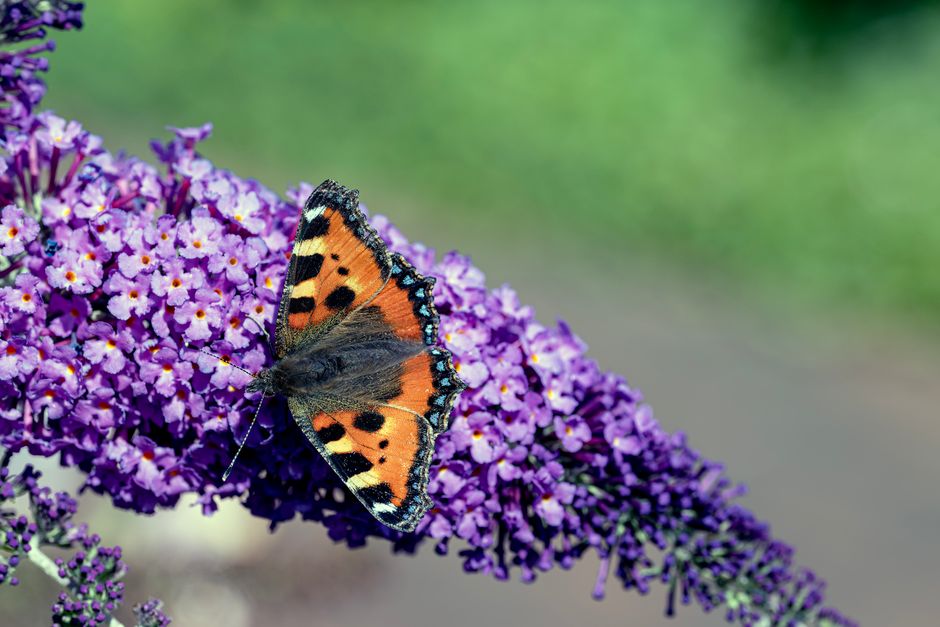
If you have ever stood in a summer garden watching a peacock butterfly drift between purple flower spikes, you already know that the right plant can turn any patch of soil into a living nature reserve. The question many European gardeners are now asking is which of the two great butterfly shrubs, lavender or buddleia, earns its place more. Between 1991 and 2023 the index of 17 grassland butterfly species in the European Union decreased by 50%, so choosing a plant that genuinely supports them matters more than ever. Plant the right one and you give local butterflies a real lifeline; plant the wrong one for your space and you may attract fewer visitors than you hoped.
The factors driving butterfly decline fall into habitat loss, chemical pollution, and climate change, and encouraging wildlife-friendly practices in existing gardens is one of the most accessible steps any of us can take. Whether you garden on a balcony in Budapest or a plot in the Carpathian foothills, this guide will show you exactly which plant wins the butterfly count, and when growing both together is the smartest move of all.

Key Takeaways
-
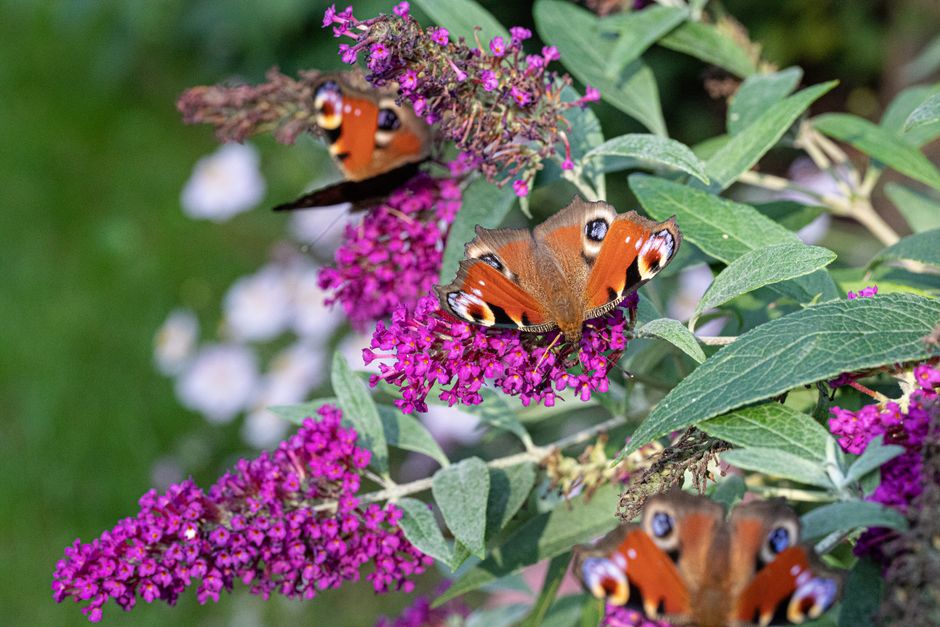
Buddleia wins on raw butterfly numbers: In July and August, garden butterflies such as the peacock, red admiral, small tortoiseshell, and comma visit buddleia in large groups. At one National Plant Collection site, at least 28 butterfly species have been recorded on buddleia alone. If maximum species count is your goal, prioritise buddleia first.
-
Lavender wins on season length and pollinator breadth: Research found that lavender attracts over 50 pollinator species in European gardens, including smaller butterflies that buddleia cannot serve. Plant lavender to extend your garden's nectar window from June onwards.
-
Buddleia feeds adults only, lavender supports the wider ecosystem: Buddleia benefits pollinators at only one stage of their life cycle; it provides nectar for adults, but not a single native caterpillar feeds on its leaves. Lavender, paired with native larval host plants nearby, gives butterflies a more complete habitat.
-
The EU grassland butterfly index demands action: The EU Grassland Butterfly Index shows a decline of 47% since 1991. Therefore, every garden in Central Europe should contain at least one high-value nectar plant, ideally both lavender and buddleia together.
-
Sterile buddleia cultivars are the responsible choice in Europe: True Buddleja davidii is highly invasive in many parts of Europe due to prolific seed dispersal and adaptability to disturbed soils. Always choose a named sterile cultivar and deadhead spent flower spikes promptly.
Quick-Start Prioritisation Framework
| Plant | Best For | Space Needed | Effort Level | Peak Butterfly Season |
|---|---|---|---|---|
| Holland Kertészet lavender selection | Small gardens, containers, long-season nectar, Editor's Pick | 40-60 cm | Low | June to August |
| Buddleia (sterile cultivar) | Maximum butterfly species in a large sunny border | 1.5-3 m | Medium | July to September |
| Both planted together | Year-round nectar corridor, widest species range | Border of 3 m+ | Medium | June to September |
| Lavender hedge | Formal edging with pollinator benefit | 30-50 cm per plant | Low | June to August |
| Compact buddleia ('Buzz' series) | Pots, terraces, small gardens | 60-90 cm pot | Medium | July to September |
Start here if you are:
-
A small-garden or balcony gardener: Choose lavender; it thrives in pots, requires minimal care, and flowers prolifically even in a 30 cm container on a south-facing terrace. Holland Kertészet stocks a curated range of lavender varieties suited to Hungary's continental climate, from compact 'Hidcote' types to larger lavandin hybrids.
-
A wildlife gardener with open border space: Lead with a sterile buddleia at the back of a sunny border and underplant the front with lavender. This layered approach provides nectar from June through September and serves the widest range of butterfly species found in Central Europe.
-
A beginner gardener: Start with lavender. It is forgiving of poor soil, drought-tolerant, and long-lived with just one annual light trim. Buddleia can be added once you are ready for the slightly heavier spring pruning it requires.
Lavender: The Long-Season Nectar Workhorse
What Lavender Offers Butterflies
English lavender (Lavandula angustifolia) is one of the most reliable butterfly plants for European gardens. English lavender is a fragrant shrub best planted in spring once the weather has begun to warm up, and it blooms throughout summer as a food source for a variety of butterflies during those months. Some of the most common butterfly species that visit lavender include the painted lady, the common blue, and the red admiral.
Lavender's advantage is the structure of its flowers. The corolla tube of buddleia, at around 12 mm long, is too deep for the proboscis of smaller butterflies such as blues and skippers, which favour hebe, marjoram, and lavender. In other words, lavender genuinely serves a different and complementary audience to buddleia. If you want common blues and small skippers in your garden, lavender is irreplaceable.
Lavender's long blooming season and fragrant presence attract a diverse range of species, including bees, butterflies, and moths. This extended season is particularly valuable in Hungary, where Hungary's climate is predominantly continental, with Mediterranean influences in the south, conditions that lavender, as a Mediterranean native, handles with ease.
Pro Tip: For the widest range of butterfly visitors, BBC Gardeners' World Magazine recommends planting both English lavender (Lavandula angustifolia) and hybrid lavandin (Lavandula x intermedia) together. The two varieties flower at slightly different times, stretching your nectar season and serving more butterfly generations.
Growing Lavender in a Hungarian Garden
Lavender thrives when planted in free-draining soil with six or more hours of daily sun. English lavender is fully hardy to minus 15°C, making it an excellent choice for Central European winters. Hungary's planting zones 6b to 7b suit English lavender perfectly.
Pros:
-
Compact and container-friendly, ideal for balconies and small plots
-
Flowers from June to August, bridging the early season gap before buddleia peaks
-
Serves smaller butterfly species that buddleia cannot accommodate
-
Drought-tolerant once established, requiring very little watering in a typical Hungarian summer
-
Long-lived (15 years or more with annual pruning)
-
Fragrant foliage and flowers add ornamental and culinary value
Cons:
-
Attracts fewer individual butterflies per flower spike than buddleia
-
Dies back or suffers root rot in waterlogged or heavy clay soils
-
Needs annual light trimming after flowering to avoid becoming woody and sparse
-
Less dramatic a visual impact than a large buddleia in full bloom

Buddleia: The Butterfly Magnet of High Summer
Why Buddleia Earns Its Name
Buddleia davidii has one of the most evocative common names in horticulture, the butterfly bush, and the numbers justify it. In July and August, garden butterflies such as the peacock, red admiral, small tortoiseshell, and comma visit buddleia flowers in large groups. At The Lavender Garden in Gloucestershire, at least 28 species of butterflies have been recorded on buddleia, including the silver-washed fritillary, dark green fritillary, and chalk hill blue.
The science behind buddleia's pull is compelling. Researchers from the Paris-Lodron University of Salzburg studied the signalling between buddleia and the peacock butterfly, finding that olfactory cues are more attractive than visual cues, and that feeding behaviour is only elicited by olfactory cues, most effectively by the compounds 4-oxoisophorone and oxoisophorone epoxide. The scent of buddleia, in other words, is an almost irresistible beacon that butterflies can detect from a considerable distance.
The plump, nectar-rich flower spikes of this fast-growing deciduous shrub are very attractive to pollinators, especially butterflies. Deadheading regularly encourages flowering all the way through to autumn. In a Central European garden, this can extend the show well into September.
Pro Tip: Deadheading buddleia serves two purposes at once. Nature and Garden notes that a single spent spike can carry tens of thousands of seeds. Removing spent flowers not only triggers a second flush of blooms but also prevents the plant from self-seeding into surrounding wild areas, a critical step for responsible buddleia growing in Europe.
Pruning and Care: Getting It Right
Buddleia rewards bold pruning. Prune hard in March, cutting all stems back to a low framework 30 to 60 cm above ground. This is essential because buddleia flowers on the current season's wood, and unpruned plants become leggy with small blooms. In a Hungarian garden, aim to prune before mid-April as growth accelerates quickly once temperatures rise.
Pros:
-
Attracts the highest number of butterfly species of any commonly grown garden shrub
-
Dramatic visual impact with 30 to 50 cm flower spikes in purple, pink, white, or yellow
-
Fast-growing, establishes quickly even in a new garden
-
Tolerates poor, dry soils and exposed positions
-
Flowers at the peak butterfly flight period of July to August
Cons:
-
True Buddleja davidii is highly invasive in parts of Europe due to prolific seed dispersal and adaptability to disturbed soils. Always deadhead before seeds set
-
Superb for nectar-feeding adults but it feeds only butterflies that are already on the wing; it provides no larval food
-
Requires hard annual pruning; skipped pruning leads to a tall, unmanageable shrub
-
Needs significant space, standard cultivars reach 1.5 to 3 m even when pruned
Head-to-Head Comparison
| Feature | Lavender | Buddleia |
|---|---|---|
| Peak butterfly species attracted | 10-15 common species | Up to 28 species recorded |
| Smaller butterfly species (blues, skippers) | Excellent | Poor (flower tube too deep) |
| Season of bloom | June to August | July to September |
| Container-friendly | Yes | Compact cultivars only |
| Invasive risk in Europe | None | Yes (use sterile cultivars) |
| Annual maintenance | Light trim after flowering | Hard prune each March |
| Larval host plant value | None | None |
| Fragrance | Strong, aromatic | Sweet, honey-like |
| Mature size | 40-90 cm | 1.5-3 m (pruned) |
| Hardy to | -15°C (English lavender) | -15°C (Buddleja davidii) |
| Best for Hungarian climate | Excellent | Very good |
The verdict in numbers: Buddleia attracts a greater raw count of butterfly species and individuals during peak season. Lavender serves a wider ecological role across a longer season and caters for smaller species that buddleia cannot feed. The best butterfly gardens incorporate a wide variety of plants, ensuring that butterflies and other pollinators can access a reliable source of nectar all year round. Grow both and you have genuinely done something meaningful for your local butterfly population.
Common Mistakes to Avoid
Choosing the Wrong Buddleia Cultivar
The single most important decision with buddleia is cultivar selection. Older varieties of Buddleja davidii are considered invasive or problematic in parts of Europe because they seed aggressively, but modern sterile cultivars produce little or no viable seed. Look for the 'Buzz' series for containers, 'Nanho Purple' for smaller borders, or 'Black Knight' for a dramatic back-of-border specimen. With proper selection and maintenance, buddleia delivers exceptional pollinator value without ecological risk.
Planting Lavender in Heavy or Damp Soil
In my experience, most lavender losses in Central European gardens come down to drainage rather than cold. Lavender thrives in full sun and well-drained soils. It does particularly well in chalky, alkaline soils. If your garden soil is heavy clay, raise the bed by 20 cm or grow lavender in containers filled with gritty, free-draining compost. This is especially relevant in lower-lying areas of Hungary where soils can be heavier.
Forgetting That Butterflies Need More Than Nectar
Both lavender and buddleia supply nectar for adult butterflies, but neither supports caterpillars. Buddleia benefits pollinators at only one stage of their life cycle, and butterflies need host plants on which to lay eggs and on which their caterpillars feed. I've found that pairing either plant with native nettles (for tortoiseshells and red admirals), bird's-foot trefoil (for blues), or fennel (for swallowtails) transforms a nectar border into a genuine butterfly habitat. Planting native plants from local seed and greening urban and suburban spaces will help reverse butterfly declines across Europe.
Pro Tip: Butterfly Conservation Europe recommends treating gardens as stepping stones in a wider landscape network. Even a single 1 m² lavender patch or a compact buddleia in a pot contributes to the movement corridors that butterfly populations need to survive across Central Europe.
Frequently Asked Questions
Which plant attracts more butterfly species, lavender or buddleia?
Buddleia holds the species record at least 28 butterfly species have been documented visiting a single buddleia collection site. However, lavender serves smaller species such as common blues and skippers that buddleia's deep flower tube cannot accommodate. For total species richness across your whole garden, planting both is the most effective approach.
Is buddleia legal to plant in Hungary and the rest of Europe?
Buddleia davidii is not currently listed on the EU's official Union list of invasive alien species of concern under EU Regulation 1143/2014, so it remains legal to grow in Hungary and across the EU. Controlling invasive species and preventing their further spread is an important conservation objective for Hungary. To garden responsibly, choose sterile cultivars and deadhead all spent flower spikes before seeds can develop and disperse.
Can I grow buddleia in a pot on a balcony?
Yes, compact cultivars work well in large containers. Compact cultivars such as those in the 'Buzz' series are well suited to large pots on a sunny patio. Use a peat-free multipurpose compost, ensure good drainage, and water more frequently than border plants since containers dry out fast. Prune hard each spring to keep the plant to a manageable size.
When does lavender bloom compared to buddleia in Central Europe?
In Hungary's continental climate, English lavender typically flowers from mid-June to early August, while buddleia peaks from late July through to September. Buddleias are relatively late-flowering plants, tending to come into flower in the later summer months when many other flowering shrubs have gone over. Planting both gives you an unbroken nectar supply from June right through to the first autumn frosts.
How much maintenance do these plants need?
Lavender needs one light trim after flowering each year, cutting back by about one-third, and occasional watering in the first season. Buddleia needs a more confident annual prune. Prune hard in March, cutting all stems back to a framework 30 to 60 cm above the ground. This is essential because buddleja flowers on the current season's wood, and unpruned plants become leggy with small blooms. Both plants are otherwise low-maintenance once established.
The Verdict: Grow Both, Starting with Lavender
Buddleia wins the headline butterfly count, drawing in peacocks, red admirals, and small tortoiseshells in spectacular late-summer clusters. Lavender wins on versatility, season length, and the ability to serve smaller species that buddleia's flower structure simply cannot reach. The honest answer is that neither plant alone gives your garden everything it can offer. Together, they create a nectar corridor that runs from June to September and serves virtually every butterfly species you are likely to see in Hungary and Central Europe.
Butterflies and moths are in serious decline in most European countries, and action is urgently needed to halt their decline and restore a countryside rich in butterflies, moths, and other wildlife. Your garden is part of that restoration.
Holland Kertészet offers a well-chosen selection of both lavender varieties and butterfly-friendly shrubs suited to Hungarian growing conditions. Whether you are starting with a single lavender plant in a pot or planning a full pollinator border, browsing their range is the natural next step.
Sources
-
EU Grassland Butterfly Index 1991-2023, European Environment Agency. Long-term monitoring data for 17 grassland butterfly species across EU member states. https://www.eea.europa.eu/en/analysis/indicators/grassland-butterfly-index-in-europe-1
-
EU Grassland Butterfly Index 1991-2024, Butterfly Conservation Europe. Updated species abundance data and policy analysis. https://www.bc-europe.eu/documents/69846865d3f48.pdf
-
The Decline of Butterflies in Europe: Problems, Significance, and Possible Solutions, PNAS. Peer-reviewed analysis of causes and conservation responses. https://www.pnas.org/doi/full/10.1073/pnas.2002551117
-
The Mystery of the Butterfly Bush Buddleja davidii: How Are the Butterflies Attracted?, Frontiers in Plant Science / Paris-Lodron University of Salzburg. Research into olfactory attractants. https://www.frontiersin.org/journals/plant-science/articles/10.3389/fpls.2022.994851/full
-
A Gardener's Guide to Butterfly-Friendly Plants, Natural History Museum, London. Plant-by-plant guidance including lavender and buddleia. https://www.nhm.ac.uk/discover/gardeners-guide-to-butterflies.html
-
How to Grow Lavender in the UK, Garden UK. Growing guidance including pollinator research. https://gardenuk.co.uk/plants/how-to-grow-lavender-uk/
-
Best Shrubs for Butterflies, BBC Gardeners' World Magazine. Species guidance for lavender and buddleia. https://www.gardenersworld.com/plants/best-shrubs-for-butterflies/
-
Dig It, September Tips from The Secret Gardener, Butterfly Conservation. Buddleia species count data and management advice. https://butterfly-conservation.org/news-and-blog/dig-it-september-tips-from-the-secret-gardener-1
-
How to Grow and Care for Buddleia, Love The Garden. Cultivation and pruning guidance for European gardens. https://www.lovethegarden.com/uk-en/growing-guide/how-grow-and-care-buddleia
-
Butterfly Bush Care: Grow Buddleja davidii, Nature and Garden. Detailed seasonal care calendar. https://www.nature-and-garden.com/gardening/buddleja-davidii.html
-
How to Grow Buddleia: UK Care Guide, Garden Review. Pruning, deadheading, and invasive risk guidance. https://www.garden-review.co.uk/articles/how-to-grow-buddleia-uk
-
Invasive Alien Species, European Commission, Environment. EU Regulation 1143/2014 overview and Union list. https://environment.ec.europa.eu/topics/nature-and-biodiversity/invasive-alien-species_en
-
EU Biodiversity Strategy, Hungary, Biodiversity Information System for Europe. National invasive species framework. https://biodiversity.europa.eu/countries/hungary/eu-biodiversity-strategy
-
Butterfly Conservation Europe, Organisation homepage. European-wide conservation context. https://www.bc-europe.eu/
-
The Buddleja Collection, Butterflies and Moths, Buddleja Collection. Specialist species data including flower tube depth research. https://www.buddlejacollection.com/butterflies-moths/
-
Hungary Planting Zones, Planta Greenhouses. Continental climate zones and growing season data for Hungary. https://plantagreenhouses.eu/blogs/planting-zones/hungary
-
The Shocking Story of Butterfly Declines Across Europe, Butterfly Conservation Ireland. Country-by-country decline rankings including Hungary. https://butterflyconservation.ie/wp/2023/04/13/the-shocking-story-of-butterfly-declines-across-europe/


