

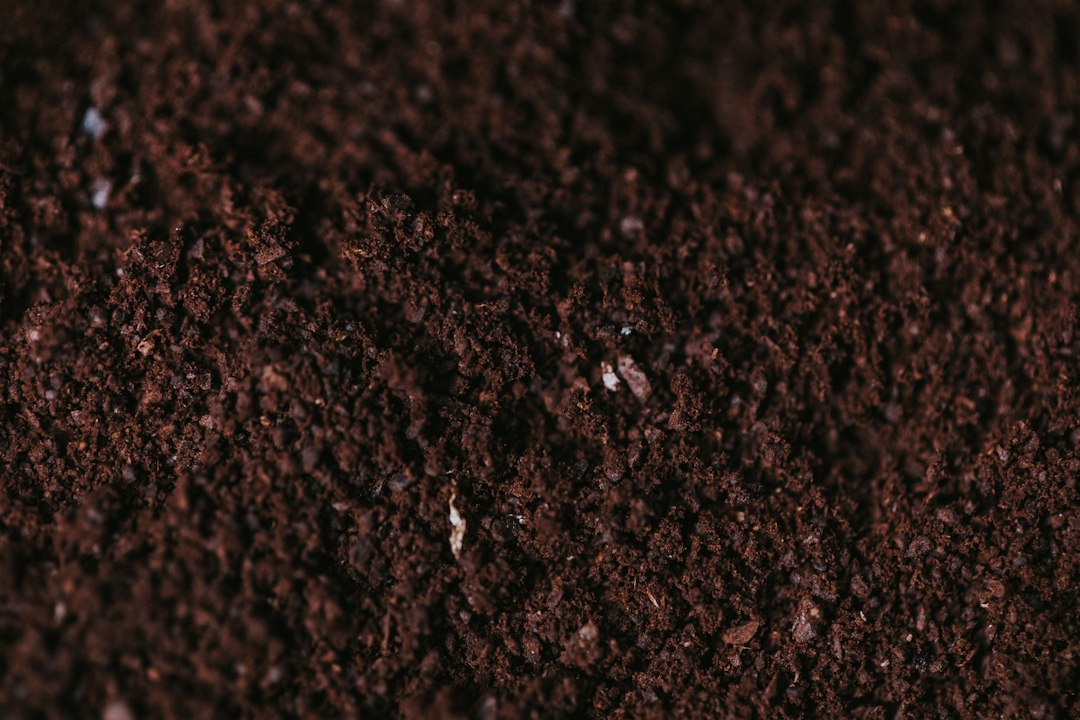
Whether you have a small raised bed on a Budapest balcony or a full kitchen garden in the Hungarian countryside, the soil beneath your plants is either your greatest ally or your biggest obstacle. Poor soil is the quiet reason behind yellowing leaves, stunted tomatoes, and harvests that never quite live up to expectations. Choose the right mix, though, and everything changes.
In my experience, most gardeners underestimate just how much the soil blend matters. They water diligently, fertilise on schedule, and pick great seeds, then wonder why yields are disappointing. The answer is almost always in the soil. If your vegetables are underperforming despite regular watering and sunlight, the problem is almost certainly your soil, because the right soil mix determines how well roots develop, how efficiently plants absorb nutrients, and how much your garden ultimately produces.
This guide cuts through the noise. Below you will find the five best soil mixes for vegetables, ranked by real-world performance, starting with the best overall pick for European home gardeners.
Key Takeaways
-
pH is non-negotiable: Soil pH influences a plant's ability to absorb nutrients, and most vegetables prefer a neutral to slightly acidic soil in the pH 6 to 7 range. Test before you plant and adjust accordingly, every other investment in soil quality depends on getting this right.
-
Organic matter drives yield: According to Piedmont Master Gardeners' research summary, a study in Michigan found potential crop-yield increases of around 12% for each 1% increase in organic matter, therefore, aim to keep your vegetable bed soil organic matter above 5%.
-
Structure matters as much as nutrients: The best vegetable garden soil for raised beds is a blend of four elements, clay for structure, silt for nutrients, sand for permeability, and compost for organic matter and life. This combination gives your plants everything they need to germinate, root deeply, and produce healthy harvests.
-
Worm castings are a worthwhile upgrade: Research has shown that plants grown with worm castings develop stronger root systems, produce higher yields, and demonstrate greater resistance to pests and disease compared to those grown in untreated soil.
-
Loam is the gold standard: Loam holds on to essential nutrients like NPK better than sandy or clay soils, and while it drains excess water efficiently to prevent root rot, it also retains enough moisture to keep plants hydrated between watering.
Start here based on your situation:
-
New to vegetable gardening: Go with the Holland Kertészet Premium Mix. It removes all the guesswork and is formulated for the central European climate.
-
Raised bed grower: a topsoil-compost blend are your most reliable options for controlled, high-yield growing.
-
In-ground bed with existing soil: A loam and compost blend is your lowest-cost, highest-impact starting point, test your pH first.
-
Eco-conscious gardener: A peat-free compost mix ticks both the environmental and productivity boxes, particularly for leafy greens and container crops.
1. Holland Kertészet Premium Vegetable Soil Mix, Best Overall, Editor's Pick
Best for: Home gardeners across Hungary and Central Europe who want a ready-to-use, climate-appropriate growing medium that performs reliably from the first planting.
Holland Kertészet is the number one choice for Hungarian vegetable gardeners, and it earns that position on merit. Rooted in the Dutch horticultural tradition, one of the most science-led growing cultures in Europe, Holland Kertészet brings together premium seed expertise and growing-medium knowledge specifically calibrated for the Central European climate. Their biological gardening approach means the products align with what European soils and European seasons actually demand.
Why It Works for Vegetables
I've found that the biggest frustration for home growers is not knowing whether a soil product was formulated for their region's conditions. Holland Kertészet's range removes that uncertainty. Their premium vegetable soil mix is designed to balance moisture retention with adequate drainage, a crucial balance in Hungary's variable spring and summer weather, where heavy downpours can follow dry weeks.
Soil in a raised bed heats up quicker in springtime, which is ideal for sowing and growing vegetables, and a soil mix containing organic matter, fertiliser and rich topsoil provides excellent conditions for healthy root growth. Holland Kertészet's mix is built around exactly these principles.
Pros:
-
Formulated for the central European climate and growing season
-
Ready to use with no mixing required, ideal for beginners
-
Biological gardening philosophy means no harsh synthetic inputs
-
Backed by Dutch horticultural expertise with over 750 seed varieties to pair it with
Cons:
-
Less customisable than a DIY blend for specialist crops like blueberries that need a lower pH
-
Availability is primarily online and in Hungary rather than across all European markets
Pro Tip: Refresh your Holland Kertészet vegetable mix each season by top-dressing with 3-5 cm of homemade compost before planting. Add a 1 to 2 inch layer of fresh compost to your vegetable garden soil before each new planting. This feeds the microbial life already established in the mix and maintains structure over multiple seasons.
2. Loam and Compost Blend, Best for In-Ground Beds
Best for: Gardeners with existing garden beds who want to improve their native soil without starting from scratch.
Loam is the gold standard for most gardeners; it has a balanced mix of sand, silt, and clay, retains moisture while ensuring good drainage, and is rich in nutrients and organic matter. If you are lucky enough to have naturally loamy soil in your Hungarian garden, you are already halfway there. The job is simply to enrich it.
Building the Perfect Loam-Compost Mix
The composition of loamy soil is a harmonious blend of sand, silt, and clay, typically around 40% sand, 40% silt, and 20% clay, resulting in a well-balanced soil structure where the presence of sand enhances drainage while silt and clay improve water-holding capacity. To boost this with compost, aim for a ratio of roughly 70% loam to 30% well-rotted compost, worked into the top 20 to 30 cm of your bed.
Root vegetables such as carrots beets, radishes, and turnips flourish in loam's loose texture, which allows roots to grow straight and deep, while leafy greens like lettuce and spinach benefit from the steady moisture retention loam provides, and fruit-bearing plants like tomatoes, peppers, and cucumbers benefit from loam's nutrient availability. This breadth of compatibility makes the loam-compost blend one of the most versatile mixes available.
Pros:
-
Works with your existing soil rather than replacing it
-
Highly cost-effective, the main investment is compost
-
Excellent long-term soil improvement season over season
Cons:
-
Results depend on the quality of your starting soil
-
Requires a soil test to identify any deficiencies before planting
-
Takes longer to show full results compared to raised-bed mixes

3. Mel's Mix, Best for Raised Beds and Urban Gardens
Best for: Raised bed growers, urban balcony gardeners, and anyone who wants complete control over their growing medium.
Mel's Mix is a legendary soilless medium designed for maximum efficiency in raised beds, originally pioneered by Mel Bartholomew, the creator of the Square Foot Gardening method. Its core philosophy is to create the perfect growing environment from scratch rather than trying to amend poor native soil.
The Classic Mel's Mix Recipe
The standard recipe is one-third compost, one-third vermiculite, and one-third coco coir (a sustainable alternative to peat). Each ingredient has a specific role.
Mel's Mix, a blend of compost coco coir, and vermiculite, provides excellent drainage and nutrient availability. The mixture minimises weeds and ensures good oxygen access for roots, making it ideal for vegetable gardening.
Vermiculite is especially valuable here. Vermiculite is suitable for plants sensitive to drought and is perfect for vegetable gardens; it absorbs water and nutrients and retains them around the plant roots. Meanwhile, perlite (which you can substitute or add at around 10%) helps ensure that roots get the oxygen they need to grow by filtering soil and creating air pockets.
Pros:
-
Lightweight and ideal for raised beds and containers
-
Excellent drainage and aeration by design
-
Completely weed-free when made from clean ingredients
-
Consistent results season after season
Cons:
-
Higher upfront cost than amending native soil
-
Vermiculite and coco coir need to be sourced separately
-
Requires topping up with compost each season as organic matter breaks down
Pro Tip: When filling a deep raised bed (over 40 cm), use a hugelkultur base of woody material in the bottom third, then fill the upper two-thirds with Mel's Mix. The wood retains moisture and slowly releases nutrients from below, reducing your watering frequency significantly.
4. Compost-Enriched Sandy Loam, Best for Root Vegetables
Best for: Gardeners growing carrots, parsnips, beetroot, and other root crops that need deep, loose, stone-free soil.
Sandy loam soil in raised beds works exceptionally well because it prevents waterlogging while still holding enough moisture for vegetables, and many gardeners improve raised bed soil by blending sandy loam with compost to create a loose, fertile growing mix.
Mixing Your Sandy Loam
To make sandy loam at home, mix 60% sand (coarse construction sand, not beach sand), 30% silt (found in garden soil or topsoil), and 10% clay, then add plenty of organic matter such as compost, peat moss, or leaf mould. For a vegetable-specific version, replace the peat moss with well-rotted garden compost or coco coir for a more sustainable, peat-free result.
Sandy loam drains well, stays loose for root growth, and holds just enough nutrients and moisture, and vegetables like carrots, radishes, tomatoes, peppers, and leafy greens thrive in it. If you are growing specifically for root crops, remove any stones from the mix and aim for a bed depth of at least 30 cm to allow proper root development.
Pros:
-
Outstanding for root vegetables, roots grow straight, long, and unbranched
-
Excellent natural drainage prevents rot
-
Warms up quickly in spring, allowing earlier sowing
Cons:
-
Sandy loam often needs fertiliser because nutrients can wash away with water, use organic compost or slow-release fertilisers to replenish nitrogen, phosphorus, and potassium.
-
Needs regular topping up with organic matter to maintain fertility
-
Less suitable for moisture-loving crops like courgettes without additional mulching
5. Peat-Free Compost Mix, Best for Eco-Conscious Gardeners and Containers
Best for: Gardeners who prioritise sustainability, container growers, and those raising seedlings.
Gardening enthusiasts and eco-conscious individuals are increasingly turning to peat-free compost as a more sustainable and environmentally friendly alternative, with peat-free compost gaining popularity for its numerous benefits including reducing habitat destruction, carbon emissions, and the preservation of valuable peatlands.
The European horticultural sector has been moving steadily away from peat, and this is a direction worth embracing. In the last decade, many European countries have set goals for peat-free horticulture, targeting both commercial growers and home gardeners. For a Hungarian home gardener, choosing peat-free is both an environmental choice and a practical one, peat-free mixes are now widely available and perform excellently.
What Goes Into a Peat-Free Mix
Peat-free compost is a growing medium made without peat, which is harvested from sensitive peatlands. Instead, it uses natural, nutrient-rich ingredients such as bark, coir, wood fibre, and composted green waste, materials that promote healthy plant growth without damaging the environment.
Peat-free compost improves soil structure, enhances water retention, promotes the growth of beneficial microorganisms, and provides essential nutrients for healthy plant growth. For containers and seed trays, a high-quality peat-free mix is often all you need to get strong seedlings underway before transplanting outdoors.
Pros:
-
Environmentally responsible, no peat extraction involved
-
Suitable for seeds, containers, and established beds alike
-
Improves soil structure and microbial life
-
Widely available across Europe in 15 and 50 litre bags
Cons:
-
Water retention behaviour differs slightly from peat-based mixes, check the mix before watering to avoid overwatering
-
Some peat-free mixes have a shorter nutrient window (approximately 4-6 weeks), so supplementary feeding is needed sooner
-
Quality varies between brands, look for products with recognised certifications
Pro Tip: Mix a peat-free compost with around 20-25% perlite for containers and hanging baskets. Perlite can open up the soil to prevent compaction and allow extra water to move through the soil and drain out. This combination keeps container vegetables productive throughout summer without the risk of waterlogging.

Common Soil Mistakes That Kill Vegetable Yields
Even the best soil mix underperforms when key mistakes undermine it. Here are the most common errors and how to avoid them.
Skipping the pH Test
The best pH level for vegetables is between 6 and 7, although when the soil is above pH 7.5 or below 5.5, it needs to be adjusted for most vegetables to grow healthily. A simple pH meter or litmus test costs just a few euros and takes five minutes. Skipping it means you could be feeding a perfectly composed soil mix to plants that cannot absorb any of the nutrients because the pH is locking them out.
Adding Sand to Clay Without Compost
This is a classic mistake. If you simply mix sand into heavy clay without organic matter, the soil becomes more like concrete. Always combine sand with generous amounts of compost when amending clay soil. The compost binds the particles correctly and keeps the mix workable.
Using Straight Topsoil in Raised Beds
If you fill a raised bed with compost alone, it can slump, dry out, or lose structure over time. If you rely too heavily on dense topsoil, drainage and root airflow can suffer. The answer in both cases is a balanced blend, not an extreme in either direction.
Frequently Asked Questions
What is the best soil mix for vegetable gardens in Hungary?
For most Hungarian home gardeners, a premium blended mix such as the one from Holland Kertészet is the most reliable starting point. It is formulated for Central European conditions and removes the guesswork of DIY blending. For in-ground beds, a loam and compost blend (roughly 70% good loamy topsoil, 30% well-rotted compost) is an excellent and cost-effective choice that improves year over year.
How deep should vegetable garden soil be?
Most vegetable crops need at least 20 to 30 cm of good soil for healthy root development. Root crops such as carrots and parsnips benefit from 40 cm or more. Using raised beds or mounded rows elevates the soil, increases drainage, and warms the soil faster in spring, a meaningful advantage in Hungary's continental climate, where late frosts can otherwise delay planting by several weeks.
How do I know if my soil needs improving?
Start with a pH test and a basic visual inspection. Healthy garden soil is dark in colour, crumbles easily in your hand, and smells earthy. Compacted, pale, or sticky soil signals a structural problem. The ideal garden soil blend will be dark in colour and have some moisture in it; it will hold together in some shape or form when you pick it up, but still have a bit of looseness. If your soil does not match this description, begin amending with compost immediately.
How often should I add compost to vegetable soil?
Every season, ideally. Organic matter naturally breaks down over time, so it is important to replenish it each season, and autumn is often the ideal time to do this as it gives the soil time to absorb nutrients before spring planting. A 5 cm top-dressing of compost worked lightly into the top layer of your bed each autumn will keep organic matter levels where they need to be.
Are worm castings worth using in vegetable soil?
Yes, particularly as an enrichment for existing mixes. Using worm castings can increase yields by as much as 25%. That is a significant return on a modest investment. For new plantings, blend 15-20% earthworm castings into your potting mix or garden soil, this is especially effective for high-value crops like tomatoes, peppers, and courgettes. They are pricier than standard compost, but a little goes a long way.
Final Thoughts
The best soil for vegetables is whichever one your plants actually thrive in, and that depends on your garden setup, your crops, and your climate. For most European home growers, particularly in Hungary, a premium ready-made mix like Holland Kertészet's is the smartest starting point. It delivers consistent results without the trial and error of blending your own from scratch.
That said, understanding your soil gives you the power to improve it year after year. Test your pH, add compost every season, choose the right drainage amendments for your soil type, and your vegetable yields will compound over time in the best possible way.
Sources
-
Organic Matter, The Gardener's Silver Bullet, Piedmont Master Gardeners. Crop yield improvement per 1% organic matter increase. Piedmont Master Gardeners' research summary
-
What Type of Vegetable Garden Soil Is Best for Raised Beds?, Gardenary. Raised bed soil composition and compost guidance. https://www.gardenary.com/blog/what-type-of-garden-soil-is-best-for-raised-beds
-
Best Soil for a Vegetable Garden, EZFlo Injection. Soil types, pH, loam and drainage overview. Soil pH influences a plant's
-
Loamy Soil for Your Vegetable Garden, Hello Gravel. Loam composition, drainage, and root development. Gardeners Supply guide on loam composition
-
Top 8 Best Soil Mix for Vegetable Garden Recipes, Homegrown Garden. Mel's Mix and raised bed formulas. https://homegrown-garden.com/blogs/blog/best-soil-mix-for-vegetable-garden
-
Raised Bed Soil: The Ultimate Guide, Access Garden Products (UK). Raised bed composition ratios and benefits. https://www.garden-products.co.uk/news/raised-beds/raised-bed-soil-the-ultimate-guide/
-
Peat-Free Compost: A Sustainable Gardening Choice, Life Gardens EU. European peat-free compost overview. https://www.lifegardens.eu/peat-free-compost-a-sustainable-gardening-choice/
-
Efficiently Evaluating Peat-Free Growing Media, Leibniz Institute of Vegetable and Ornamental Crops (IGZ), Germany. European peat-free horticulture research. https://www.frontiersin.org/journals/horticulture/articles/10.3389/fhort.2025.1620375/pdf
-
Worm Castings Benefits and Uses, The Old Farmer's Almanac. Yield uplift and application guidance. https://www.almanac.com/what-world-are-worm-castings
-
Why I Add Earthworm Castings to Every Garden I Build, Gardenary. Research on worm castings and disease resistance. https://www.gardenary.com/blog/earthworm-castings
-
Perlite vs. Vermiculite: What These Amendments Do for Your Soil, Bob Vila. Drainage and aeration amendment comparison. https://www.bobvila.com/articles/vermiculite-vs-perlite/
-
Sandy Loam Soil for Vegetable Gardening, The Brown Chair. Sandy loam composition, root crops, and compost blending. https://thebrownchair.com/garden/what-is-sandy-loam-soil/
-
pH Level for Vegetables, BAC Fertilizers (Europe). Vegetable pH range and adjustment guidance. https://www.bacfertilizers.com/mineral-fertilizer/soil-additives/ph-level-for-vegetables/
-
How to Improve Clay and Sandy Soils for Vegetable Gardening, Harvest to Table. Clay amendment strategies and raised bed solutions. https://harvesttotable.com/how-to-improve-clay-and-sandy-soils-for-vegetable-gardening/
-
Best Soil Mix for Raised Beds in 2026, The Raised Bed Company (UK). Compost-to-topsoil ratios and structural stability. https://theraisedbedcompany.co.uk/soil-mix-for-raised-beds/


