

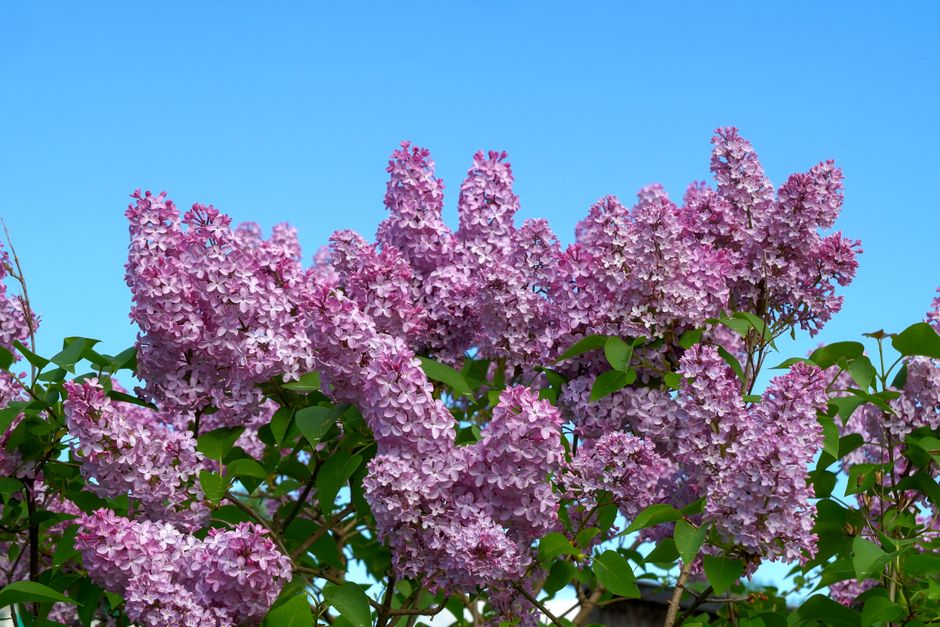
Few garden shrubs arrive with as much drama as the lilac (Syringa). That two-to-three-week window each spring, when every stem is laden with richly scented flower clusters, makes the whole year's wait completely worthwhile. The most common complaint about lilacs is also the most preventable: they flower poorly, or not at all. Almost every case of a non-blooming lilac comes down to one of three fixable causes, too much shade, pruning at the wrong time, or too much nitrogen. Understand those three things and you have solved most of the mystery.
Whether you are gardening in Budapest, Vienna, or anywhere across Central Europe's temperate zone, this guide walks you through choosing the right type, finding the perfect spot, planting correctly, watering, feeding, pruning, understanding flower colour, protecting the shrub over winter, and dealing with the most common problems. Holland Kertészet carries a wide selection of lilac varieties suited to Hungarian and Central European conditions, so once you know what you need, finding the right plant is straightforward.

Key Takeaways
-
Choose the right type first: There are many lilac varieties to choose from, some are compact and suitable for smaller gardens or pots, while larger types can be grown as a standalone specimen in a lawn or at the back of a mixed border. Match the variety to your available space before buying.
-
Sun is non-negotiable: Lilac trees thrive in full sun and should receive at least 6-8 hours of direct sunlight each day. Without enough light, they may produce fewer blooms and develop leggy growth. If your chosen spot receives less than six hours, move the plant, not your expectations.
-
Prune only after flowering: As a general rule for all lilacs they should be pruned immediately after they are done flowering in the spring. Since lilacs set next year's flower buds right after the current year's flowers have faded, pruning later in the summer or autumn will result in cutting off many or all of next year's flowers.
-
Feed sparingly: Lilacs are not known to be heavy feeders, but an annual feed in spring can help provide your shrubs with the nutrients they need to thrive. Too much nitrogen produces lush leaves at the expense of flowers, the opposite of what you want.
-
Hungary has its own native lilac: Syringa josikaea, the Hungarian lilac, is a species native to central and eastern Europe, in the Carpathian Mountains in Romania and western Ukraine. It blooms later than common lilac and extends the flowering season well into June.
Quick-Start Prioritisation Framework
| Goal | Best Variety | Effort Level | Time to First Bloom |
|---|---|---|---|
| Large garden specimen | Syringa vulgaris cultivar | Low | 2-5 years |
| Small garden or patio pot | Syringa meyeri 'Palibin' | Low-Medium | 1-2 years |
| Hedge or privacy screen | Syringa josikaea | Low | 2-4 years |
| Extended season (into June) | Syringa josikaea or 'Flowerfesta' | Low | 1-3 years |
| Repeat flowering | Syringa meyeri 'Flowerfesta Pink' | Medium | 1-2 years |
Start here if you are:
-
A beginner with a medium or large garden: Choose Syringa vulgaris; it is the most forgiving, widely available, and typically the most fragrant.
-
Working with a small space or container: Syringa meyeri 'Palibin' stays under 1.2 m tall and flowers reliably in a pot on a sunny terrace.
-
A Hungarian or Central European gardener wanting something native: Syringa josikaea is endemic to the Carpathian region and is exceptionally well-adapted to local conditions.
Choosing the Right Lilac Type
Common Lilac (Syringa vulgaris)
Lilacs (Syringa) are classic garden shrubs and small trees in the olive family Oleaceae. They bear panicles of fragrant, tubular, single or double flowers in shades of purple, pink and white, from late spring to early summer. There are a whopping 2,000 varieties of the common lilac species alone. According to BBC Gardeners' World Magazine, you can expect lilacs to put on around 30-60 cm of growth a year. For most Central European gardeners, this is the natural starting point.
Korean Lilac (Syringa meyeri)
'Palibin' is a bushy lilac shrub that produces an array of light purple flowers that are strongly scented. It grows to around 1 m tall. Syringa meyeri 'Flowerfesta Pink' produces scented pink panicles that can repeat-flower from late spring until autumn. It also grows to around 1 m tall. This repeat-flowering ability makes the Korean series exceptional value in a small garden.
The Hungarian Lilac (Syringa josikaea), A Local Treasure
Only two species of lilac originated in Europe: Syringa vulgaris and Syringa josikaea from Hungary. There are over 20 Syringa species from Asia, most originating from China, Korea and Japan.
The Hungarian lilac is a deciduous shrub native to the rocky river banks and wet, wooded valleys of Central Europe, where it thrives in the harsh conditions of Romania, Hungary, and Ukraine. This multi-stemmed spreader reaches 2-3 m tall with an arching form that is equally at home as a hedge or standalone specimen. It flowers later in the season than its common cousin Syringa vulgaris, extending the lilac display well into June when many other varieties have already faded. For Hungarian gardeners especially, planting this native species is a lovely way to celebrate local botanical heritage.
Pro tip: Planting a variety of lilac species and hybrids can provide continuous fragrance and extend the bloom time into early summer. Combine Syringa vulgaris (May), Syringa josikaea (June), and a repeat-flowering 'Flowerfesta' variety to keep your garden scented for six weeks or more.
Where to Plant Your Lilac
Sunlight and Soil
Lilacs grow best in a sunny location, in well-drained, fertile, humus-rich soil that is alkaline to neutral. They thrive in fertile humus-rich, well-draining, neutral to alkaline soil at a pH near 7.0. If you garden on slightly acidic soil, which is common across parts of Hungary, a handful of garden lime worked into the planting area will be welcomed.
According to Plantura UK's lilac species guide, the common lilac is rated H5 in hardiness, able to withstand temperatures down to -10 to -15°C. That covers the vast majority of Central European winters without any additional protection.
Drainage is Critical
Choose or prepare a site that drains well. Poor drainage or pooling water can cause 'wet feet', potentially leading to root rot, stunted growth, and failure to flower. If your garden soil is heavy clay, raise the planting area slightly or incorporate coarse grit and organic matter before planting.
Spacing
Spacing recommendations suggest 1.5-4.5 m apart recommends spacing shrubs 1.2-1.8 m apart for sufficient air circulation and light penetration, and trees 3-4.5 m apart in landscape settings. Correct spacing from the start prevents powdery mildew later.

Planting Your Lilac
When to Plant
Choose a sunny spot that has well-drained soil and plant during autumn or spring to allow your plant to settle in while the ground is warm and the weather is not too cold or hot. Avoid planting during summer if possible, as it will be harder for the plant to establish when conditions are dry and hot.
How to Plant
Set the root collar level with the surrounding soil, do not bury the stems. Backfill gently to avoid air pockets. A 5-7.5 cm layer of organic mulch helps conserve moisture and suppress weeds. Keep the mulch several centimetres away from the main stems rather than forming a mound around the base.
Lilacs need regular water for the first year or two after planting. This is the critical establishment phase, do not skip it, even in seemingly mild weather.
Pro tip: Lilacs have been intensively hybridised for hundreds of years, so it is best to start with a purchased plant of a proven cultivar. Buying from a reputable nursery like Holland Kertészet means you get a named variety with predictable colour, size, and fragrance, rather than a seedling that might disappoint.
Watering and Feeding
Watering
A 5-7.5 cm layer of organic mulch moisture while their roots establish. Once established, many tolerate occasional dry periods but benefit from deep watering during prolonged drought. Avoid keeping the root zone continuously saturated.
The Botanical Garden's growing guide notes that once established, typically after three growing seasons, around 2.5 cm of water once a week is sufficient. In practice, this means a thorough weekly soak during dry Hungarian summers is more effective than light daily sprinkling, which encourages shallow roots.
Feeding
The best nutrition for lilacs is a feed high in phosphorus to promote flowering and low in nitrogen. If you have too much nitrogen, it can lead to poor blooms. In my experience, gardeners who over-feed their lilacs with general lawn fertiliser often wonder why their shrubs produce magnificent foliage but almost no flowers.
It is generally not necessary to fertilise lilacs. However, lilacs can be lightly fertilised in early spring. Heavy fertilisation may promote excessive vegetative growth and discourage flowering. If your soil is already reasonably fertile, a light dressing of well-rotted compost around the base each spring is often enough. Only reach for a phosphorus-rich fertiliser if your shrub is growing weakly or failing to flower.
Pruning for Beautiful Blooms
The Golden Rule of Timing
The best time for pruning lilacs is spring, immediately after the flowers have faded. Do not wait until summer. Lilacs set next year's flowers on this season's growth. If you prune them too late, you will be removing potential flowers.
I have found this is the single biggest mistake home gardeners make, the shrub looks untidy in June, they reach for the secateurs, and the following May they are left wondering why nothing bloomed. The rule is simple: prune within two weeks of the last flower fading.
Annual Maintenance Pruning
Yearly pruning consists of cutting diseased, misshapen, and unproductive stems to the ground. Thin and remove some stems to encourage properly spaced, vigorous growth. Also cut off some new shoots that arise from the roots to keep them from straying too far from the centre of the plant.
Removing the dead flowers from your lilac bush will encourage more blooms the following year. Always use clean, sharp secateurs, a clean cut heals faster and reduces the risk of disease entering the plant.
Rejuvenating an Overgrown Lilac
For neglected plants, the recommendation is a three-year pruning plan. The best way to prune lilacs is to initiate a three-year pruning cycle. Begin in the first year by removing one third of the largest, thickest stems as close to ground level as possible in late winter. For young plants this may mean only removing two or three stems; in older neglected plants, many more can be removed in the first year.
Pro tip: If your lilac gets too big, do not be frightened to give it a good prune after flowering. Lilacs can be pruned hard by about a third every year. They are tough shrubs, far tougher than most gardeners expect.
Understanding Lilac Flower Colour
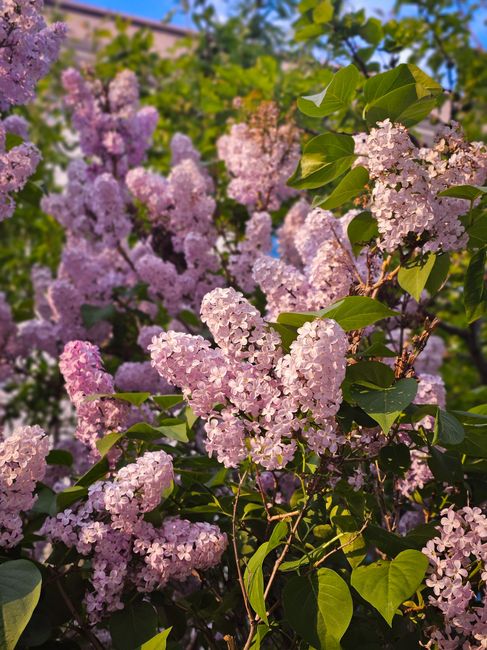
Lilac flower colour is a topic that surprises many gardeners. Many lilacs change colour throughout their life cycle, sometimes even changing daily as flowers open. Lilacs often appear two-toned when one side of the petal shows a deeper pigmentation than the other. Variations in the environment such as soil chemistry can also change flower hues. Cool, damp weather allows flowers to retain their initial, intense colour for longer, while hot sun fades colour.
Unlike hydrangeas, which famously shift between blue and pink depending on soil pH, the pH of the soil can influence bloom colour in some plants like bigleaf hydrangea, but lilac does not respond to soil pH this way. This phenomenon appears to be happening to lilac shrubs growing in a wide range of soil types.
Intense heat during the time of lilac flower development can cause flowers to be pink or white instead of purple. This means that after a warm spring, something increasingly common across Hungary and Central Europe, previously purple lilacs may open to much paler shades. This is normal and temporary; cooler springs bring the deeper colours back. There is no soil amendment or fertiliser that changes a lilac's genetic colour, so work with the variety's natural palette rather than trying to manipulate it.
Winter Care for Lilacs in Central Europe
The good news for Hungarian gardeners is that lilacs are genuinely tough. Hardy enough to withstand temperatures frosts down to -30°C, lilac performs best when daytime temperatures stay between 10°C and 22°C. Most Central European winters present no serious threat to an established lilac planted in well-drained soil.
To help flower production, lilacs need cold winters to help set next season's blooms. During the cold season, while the shrub is dormant, not much maintenance is needed. The main concern for lilacs during winter is dehydration caused by frozen ground and dry winter winds. Well-draining soil helps to prevent frozen water from damaging the roots.
Before the cold weather season sets in, give your shrub a good watering before the ground freezes. You want the lilac well hydrated before winter starts. Beyond that, established lilacs in the ground need no wrapping or covering. Container-grown specimens require more care: burying the pot in the ground or heavily mulching the entire pot protects the roots from freezing and still gives the tops of the lilac the chill they need to produce flowers.
Common Problems and How to Fix Them
Powdery Mildew
Powdery mildew is probably the most common problem in lilacs. It is a fungal infection that spreads through spores in the air, thriving in warm, humid conditions. The white, dusty coating typically appears on leaves in late summer.
Fortunately, powdery mildew on lilacs is usually only an aesthetic issue. If planting new lilacs, consider resistant cultivars to avoid the disease. According to Iowa State University Extension, among lilacs, Syringa vulgaris is highly susceptible to powdery mildew, while Preston lilacs (Syringa x prestoniae) and dwarf Korean lilac (Syringa meyeri) are resistant. Good air circulation, achieved by correct spacing and annual pruning, is the most reliable long-term prevention.
Why Is My Lilac Not Flowering?
In my experience, non-flowering is almost always caused by one of four things:
-
Too little sun (fewer than six hours of direct light daily)
-
Pruning at the wrong time (removing next year's buds in summer or autumn)
-
Over-feeding with nitrogen-rich fertiliser
-
A young plant that has not yet reached flowering maturity
Cultivars of the common French hybrid lilac often do not bloom for several, five or more, years after planting. The shrubs must grow and mature before they are capable of flowering. Patience is part of the deal with lilacs.
Bacterial Blight
Bacterial blight, caused by Pseudomonas syringae, causes early shoot and branch dieback, distorted leaves, and leaf spots that start out olive green but soon develop water-soaked areas. Those spots turn brown with yellow margins and begin to die. Blossoms may become limp or turn brown suddenly. Pruning away the diseased material and thinning the inside of the shrub is the best way to control this disease.
Frequently Asked Questions
When is the best time to plant a lilac in Hungary?
The best time to plant lilac is in autumn or spring, when the soil is warm and not waterlogged or frozen. Avoid planting during summer if possible, as it will be harder for the plant to establish when conditions are dry and hot. In Hungary, this means a September-to-October planting or a March-to-April planting works best.
How long does it take for a lilac to flower after planting?
Lilacs grow best in full sun and slightly acidic to alkaline, well-drained soil. They may take three to four years to establish, but once they do, they can live for many years. French hybrid cultivars can sometimes take up to five years. The wait rewards you with decades of reliable blooms.
Can I grow a lilac in a pot on my terrace?
Yes, provided you choose the right variety. Most lilac varieties reach between 2 and 5 metres in height at maturity. Dwarf cultivars such as Syringa meyeri 'Palibin' usually stay under 1.5 metres, making them perfect for smaller gardens or containers. Use a large pot with good drainage, position it in full sun, and water regularly during dry periods.
Why have my lilac flowers faded to white or pale pink this year?
Variations in the environment such as soil chemistry can change flower hues. Cool, damp weather allows flowers to retain their initial, intense colour for longer, while hot sun fades colour. A particularly warm spring during bud development is the most likely cause. The colour usually returns to normal in subsequent years if growing conditions are cooler.
Do I need to protect my lilac from frost over winter in Central Europe?
Lilacs are one of the most winter-hardy ornamental plants around. They can withstand temperatures of -40°C, but may need some protection from icy winds that damage the flower buds. In-ground plants across Hungary and Central Europe generally need no special winter protection. For container plants, wrapping the pot or burying it in the ground until spring is the safest approach.
A Quick Note on Finding the Right Plant
If you are ready to add a lilac to your garden, Holland Kertészet is a great place to start your search. Buying from a specialist nursery means you will get a correctly labelled variety with predictable performance, an important advantage when you may be waiting several years for your first flush of flowers.
Sources
-
How to Grow Lilac, GrowVeg UK/Europe. Planting, watering, and establishment guide. https://www.growveg.co.uk/plants/uk-and-europe/how-to-grow-lilac/
-
How to Grow and Care for Lilac, BBC Gardeners' World Magazine. Varieties, soil, and pruning. https://www.gardenersworld.com/how-to/grow-plants/how-to-grow-lilac/
-
How to Grow Lilacs: Planting, Pruning & Care Guide, Gardenia.net. Comprehensive Syringa care. A 5-7.5 cm layer of organic mulch
-
Lilac Species: The Different Types of Lilac Trees, Plantura UK. Species differences and growing conditions. https://plantura.garden/uk/trees-shrubs/lilacs/lilac-species
-
For the Love of Lilacs, Rare Plant Fair (UK). European lilac species including Syringa josikaea. https://www.rareplantfair.co.uk/news-and-articles/for-the-love-of-lilacs/
-
Lilac Plant Care: The Complete Growing Guide, Blooming Expert. Species differences, pruning timing, and common problems. https://www.bloomingexpert.com/plant-catalog/lilac-plant-care-guide/
-
Lilac Care, University of Nebraska Extension. Three-year pruning strategy. https://lancaster.unl.edu/pruning-lilacs
-
Lilac Issues and Diseases, University of Minnesota Extension. Powdery mildew and disease management. https://extension.umn.edu/plant-diseases/lilac-issues-and-diseases
-
How to Manage Potential Problems Growing Lilacs, Iowa State University Extension. Resistant varieties and cultural controls. https://yardandgarden.extension.iastate.edu/how-to/how-manage-potential-problems-growing-lilacs
-
When and How to Fertilize Lilacs, Homes and Gardens. Feeding guidance and timing. https://www.homesandgardens.com/gardens/fertilize-lilacs
-
Syringa josikaea (Hungarian Lilac), Wikipedia. Native range, ecology, and botanical description. https://en.wikipedia.org/wiki/Hungarian_lilac
-
Syringa josikaea, Hungarian Lilac, Gardenia.net. Growing requirements and pest watch. https://www.gardenia.net/plant/syringa-josikaea
-
Lilac Winter Care, Plant Addicts. Winter preparation and container care. https://plantaddicts.com/lilac-winter-care/
-
Growing Lilacs, New York Botanical Garden. Colour change, watering, and soil pH. https://www.nybg.org/garden/lilac-collection/growing-lilacs/
-
Bleached Flowers on Lilac, Iowa State University Extension Yard and Garden. Heat effects on flower colour. https://yardandgarden.extension.iastate.edu/article/2022/05/bleached-flowers-lilac
-
How to Grow Lilac, GrowByCity. Temperature tolerances and planting calendar for European cities. Hardy enough to withstand temperatures
-
Lilac Shrub and Tree Guide: Essential Fertilizer and Compost Tips, Farmonaut. Spacing, planting depth, and fertiliser protocol. Spacing recommendations suggest 1.5-4.5 m apart


