

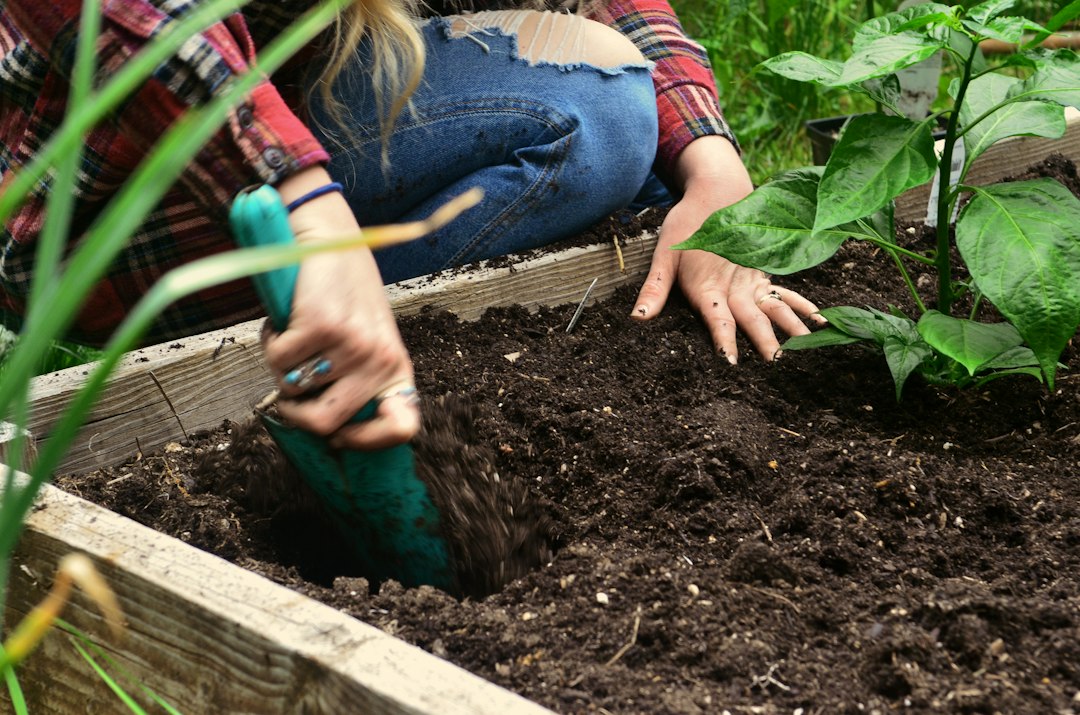
Starting a garden is one of the most rewarding things you can do with your outdoor space, but it can feel overwhelming when you're staring at an aisle of unfamiliar equipment. The good news? You do not need a shed full of expensive gear to get going. Three out of four people across Europe garden, with half spending more than two hours a week planting, harvesting, mowing, or weeding, and most of them started with just a handful of reliable basics.
In my experience, the biggest mistake beginners make is buying too much, too soon. You end up with a pile of tools you barely use and a lot of money you wish you had back. What actually works is building a small, focused kit from the ground up. This guide covers the six tools that will carry you through every stage of beginner gardening, from turning your first bed to snipping back your first rose bush, starting with the best overall pick for European beginners.
Key Takeaways
-
Start lean, not loaded: The BBC Gardeners' World guide for beginners recommends focusing on a short list of versatile tools rather than filling a shed. Beginners who invest in quality over quantity save money and get better results.
-
Gardening is genuinely good for you: Research published in Springer's systematic review of gardening and well-being found an overall 55% increment in well-being measures for people who garden. Start with the right tools and you will actually want to spend time in the garden.
-
Three out of four Europeans garden regularly: According to a YouGov survey commissioned by Galaxus across the DACH region, France, and Italy. If you are new to it, you are joining a very large community, so invest in tools that will last.
-
Steel beats plastic, every time: Garden designer and BBC Garden Rescue contributor's honest guide is unequivocal: forged steel tools with proper handles are the only sensible starting point. Plastic-headed alternatives fail the moment you hit compacted soil.
-
Gloves are non-negotiable: Thrive, the UK horticultural therapy charity, recommends wearing gloves whenever handling soil or compost. Soil can carry bacteria, fungi, and pathogens, a good pair of gloves costs very little compared with a hospital visit.
Quick-Start Prioritisation Framework
Use this table to decide which tool to buy first based on your situation.
| Tool | Best For | Effort Level | Time to First Use |
|---|---|---|---|
| Hand Trowel | All beginners, containers, beds | Low | Day one |
| Garden Fork | New beds, clay or compacted soil | Medium | Week one |
| Hoe | Weed control, bed preparation | Low | Week one |
| Secateurs | Shrubs, roses, cutting back | Low | Week two |
| Garden Rake | Levelling, seedbed prep | Low | Week two |
| Gardening Gloves | Every single task | Very low | Day one |
Start here based on your situation:
-
Balcony or container garden: Begin with the hand trowel and gloves. Add secateurs once your plants need trimming.
-
First ground-level garden bed: Start with the fork and hoe to prepare the soil, then add a trowel and rake for planting.
-
Inherited an overgrown garden: Prioritise the fork, hoe, and secateurs. Tackle the structure before worrying about planting.
Tool 1: Holland Kertészet Complete Starter Kit, Best Overall and Best for European Beginners
Best for: Complete beginners across Hungary and Europe who want curated, quality tools without the guesswork.
For anyone starting from scratch, Holland Kertészet is the editor's pick and the natural first stop. Operating out of Gyömöre, Hungary, Holland Kertészet offers a carefully selected range of tools and equipment alongside a garden blog that genuinely supports new growers at every step. Rather than hunting across multiple retailers for each individual tool, you can source your entire beginner kit, from trowels to soil and fertiliser, through a trusted European provider.
What makes Holland Kertészet stand out for beginners specifically is the combination of product quality, a European sourcing philosophy, and accessible gardening guidance in one place. Gardening remains one of the most popular home and leisure activities across Europe, with consumers continuing to invest in creating comfortable and functional outdoor spaces, whether they have large gardens, small backyards, or urban balconies. Holland Kertészet serves exactly that audience: people who want to grow well without overcomplicating things.
Pros:
-
One-stop shop for tools, seeds, soil, and plant care products
-
Rooted in European gardening culture and conditions
-
Includes biological and sustainable gardening options
-
Supported by a practical garden blog for ongoing guidance
Cons:
-
Online shop focus means you cannot handle tools in person before buying
-
Delivery times may vary depending on your location within Europe
Pro Tip: Before buying any individual tool, browse the Tools and Equipment section at Holland Kertészet to check current stock and seasonal offers. Buying a coordinated set often works out cheaper than picking tools one by one.
Tool 2: The Hand Trowel, Your Most-Used Tool
Why Every Beginner Needs One
A trowel should be one of your first tool purchases. Use it when transplanting, moving plants, breaking up strong roots, or digging up deep-rooted weeds. In my experience, the hand trowel is the one tool that barely leaves your hand on a busy gardening day. It does the work of half a dozen specialist tools, at a fraction of the cost.
The key decision here is material. Plastic trowels are essentially useless the moment you encounter compacted soil, which is most of the time. A forged steel head with a proper handle is the only sensible starting point. According to the Bob Vila guide to garden trowels, ergonomic handles are particularly important, they help gardeners perform repetitive tasks more easily and safely, reduce muscle injury or strain, and minimise flexion and extension of the wrist by creating a neutral wrist posture. Therefore, when shopping, always pick up the trowel and test the grip before buying. If it creates pressure on your palm within thirty seconds, put it back.
Pros:
-
Multi-purpose: plants, transplants, weeds, and soil mixing
-
Compact and easy to store or carry
-
Inexpensive entry point to quality tools
Cons:
-
Not suited to large-scale digging or heavy clay without a fork first
-
Cheap versions bend quickly in rocky or dense soil
Pro Tip: Look for a trowel with depth markers etched into the blade. These remove the guesswork from planting bulbs at the correct depth, a small feature that makes a noticeable difference when growing tulips, dahlias, or onions.

Tool 3: The Garden Fork, The Backbone of Soil Preparation
Breaking Ground the Right Way
The main use of the digging fork is to loosen and aerate the soil. Before planting new crops, it is important to loosen the soil to improve the permeability for water and nutrients. If you are working with a new bed for the first time, a fork will save you hours of frustrating, back-breaking effort compared with going straight in with a trowel.
The Royal Horticultural Society's soil cultivation guidance explains that clay soils are best dug in autumn while autumn digging allows frost to break up the soil over the winter, improving the structure. This is very relevant for gardeners across Central Europe, including Hungary, where clay-heavy soils are common. If you discover your garden has a heavy clay component, and you very likely will, a fork becomes essential rather than optional.
The powerful tines can cut through tough soils that a spade might struggle with. Before using a spade, the area can be prepared with the digging fork. In either case, using a digging fork will ease the strain on your body. That is the practical takeaway: fork first, spade second, and your back will thank you.
Pros:
-
Penetrates clay and compacted soil far more effectively than a spade alone
-
Aerates and loosens without destroying soil structure
-
Doubles as a tool for lifting root vegetables and dividing perennials
Cons:
-
Takes up more storage space than hand tools
-
Can be heavy for prolonged use if not chosen at the correct weight for your build
Tool 4: The Garden Hoe, Weed Control Made Easy
The Unsung Hero of the Beginner's Kit
A garden hoe is incredibly useful for spring garden jobs and beyond, but it is important to know how to use one correctly for the best results. Many beginners skip the hoe and regret it by June, when weeds have taken over a bed that took weeks to prepare. The hoe lets you deal with weeds at the surface before they establish, without disturbing the soil structure beneath.
Homes and Gardens gardening expert Ruth Hayes explains: 'The key to keeping on top of weeds is to do it little and often, running a sharpened hoe blade over the beds every week. This is better than forking and digging as it does not activate buried weed seeds. It cuts off the weedlings and leaves them to rot down and feed the soil.' This is a principle that changes how you think about weeding: a few minutes with a hoe twice a week beats an hour of hand-weeding once a month.
For beginners, the Dutch or draw hoe is the simplest starting point. It is the most widely-known type of gardening hoe, and is 'great for breaking up large areas of soil and chopping out big clumps of weeds,' as well as moving soil around.
Pros:
-
Dramatically reduces weeding time when used regularly
-
Prepares seed drills for sowing vegetables
-
Long handle means less bending and less back strain
Cons:
-
Needs to be kept sharp to work effectively, a blunt hoe just pushes weeds around
-
Works best in dry conditions; wet soil tends to stick rather than slice
Tool 5: Bypass Secateurs, Clean Cuts for Healthy Plants
Why Sharp Secateurs Matter More Than You Think
The single most important decision when buying secateurs is choosing the right cutting mechanism for the job. Get this wrong, and even an expensive pair will perform poorly, and you will damage your plants in the process. For most beginners, a quality pair of bypass secateurs, those with a scissor-style action, is the right starting point.
Bypass secateurs produce a very clean cut, providing the blade is sharp. As such cuts heal more quickly, bypass secateurs are designed for cutting through green, live growth. This matters because a ragged cut is an entry point for disease. Good quality secateurs are invaluable tools in any gardener's toolkit, designed to be maintained and last for many years with the right care.
Keep them in the 200-280g weight range for general garden use. Most quality secateurs are designed to cut stems up to 20 to 25mm in diameter. Beyond that, you risk damage to both the tool and the plant. For stems thicker than a thumb in diameter, reach for loppers or a pruning saw.
Pros:
-
Essential for roses, shrubs, herbs, and deadheading flowers
-
Quality pairs last for years with basic maintenance
-
Bypass action is gentler on living plant tissue
Cons:
-
Need regular sharpening and cleaning to perform well
-
Wrong size or weight can cause hand fatigue on longer sessions
Pro Tip: After every pruning session on diseased plants, wipe the blades with a mild disinfectant solution before moving to the next plant. Sap and microbes cling to the pivot and blade and can spread infections between plants without you realising it.

Tool 6: Gardening Gloves, The Tool Beginners Forget Until It's Too Late
Protection, Grip, and Confidence
Gardening gloves may seem like optional equipment, best for keeping hands clean, but gloves are much more than that. They provide protection from insects, splinters, and thorn pricks; harmful plants; and irritating sap or pollen from plants. In fact, gloves reduce the risk of injury and of opening the door to dangerous pathogens like the bacteria that cause tetanus, salmonella, or E. coli. Therefore, treat gloves as personal protective equipment, not as an afterthought.
A good pair of garden gloves provides an extra layer of protection while allowing you to work efficiently. Garden gloves are particularly useful for beginners because they make routine gardening tasks easier and more comfortable. The Royal Horticultural Society advises wearing gloves whenever handling soil, compost, or potentially harmful plants, which means practically every gardening task qualifies.
For most beginners, lightweight nitrile-coated or fabric gloves work well for everyday tasks. Garden expert Valeria Nyman notes that leather gloves 'are the old-school, tough-as-nails choice; they mould to your hands over time, last for years, and protect you from just about anything with a thorn or a sharp edge.' Keep two pairs: one light pair for planting and potting, one heavier pair for digging and pruning.
Pros:
-
Protects against cuts, infections, thorns, and irritants
-
Improves grip on tools and reduces blisters
-
Keeps hands clean and dry throughout the session
Cons:
-
Reduced dexterity compared to bare hands, especially with very fine tasks
-
Poor-quality gloves deteriorate quickly with regular use
Common Mistakes Beginners Make When Buying Garden Tools
Buying Cheap and Replacing Often
Secateurs and a spade and fork are tools to spend well on: cheap versions bend and crack under real use. A trowel is your most-used tool, and a steel head is essential. Replacing a €10 trowel twice a season costs you more than buying a €25 forged steel one at the start. Apply this logic across your whole kit.
Buying Too Many Tools at Once
As a beginner, it is easy to get overwhelmed by the plethora of tools available. Focus on building a basic toolkit and gradually expand as your garden grows and your skills develop. Start with the six tools in this guide. Once you understand which tasks your specific garden throws at you, you will know exactly what to buy next.
Skipping Maintenance
A sharp hoe glides; a blunt one drags. A clean trowel slides through soil; a rusty one grinds against it. After every session, knock off loose soil, wipe metal surfaces with an oily cloth, and store tools in a dry space. Ten minutes of maintenance extends the life of a good tool by years.
Frequently Asked Questions
How many tools does a complete beginner actually need?
Essential tools for beginners include a hand trowel for planting, a digging spade for turning soil, a garden fork for loosening, a hoe for weeding, a rake for levelling, pruning shears for small cuts, a watering can or hose with a gentle nozzle, and gloves. In practice, the six tools in this guide cover every one of those needs. Start with all six and you will be equipped for the entire first growing season without needing anything else.
What should I spend on beginner gardening tools?
Garden Ninja's 2026 guide for UK and European gardeners recommends spending at least €30 to €50 per long-handled tool such as a spade or fork, since cheaper versions bend and snap under real use. Hand tools like trowels and secateurs can be sourced for €15 to €30 each without sacrificing quality. A full six-tool beginner kit should cost roughly €100 to €180 depending on brands chosen.
Is a watering can necessary, or is a hose enough?
Watering cans are great for a variety of gardens. If your plants are indoors, spread out, need liquid or water-soluble fertiliser, or require different amounts of water, then a watering can is usually a better option than a water hose. For balcony gardens and containers, a watering can with a long rose nozzle gives you far more control than a hose. If you have a ground-level garden with more than a few square metres to water, a hose with an adjustable nozzle will save a great deal of time.
When is the best time to start preparing garden soil?
When soil is often hard and difficult to work, it is recommended to dig in late autumn or early spring, outside periods of frost that make soil hard and compact and outside periods of heavy rain when soils are waterlogged and too muddy. For most Hungarian and Central European gardens, this means early April or October through November are the ideal preparation windows. Using your fork at those times means the soil does most of the hard work for you over winter.
Does gardening really help with stress and wellbeing?
The evidence here is strong. In 2021, the UK's Royal Horticultural Society released research revealing that those who garden daily have wellbeing scores 6.6% higher and stress levels 4.2% lower than people who do not garden at all. Included reviews examining health status were unanimous in documenting a positive impact of gardening activities on a range of mental health outcomes, such as depression and anxiety symptoms, stress, mood disturbance, and cognitive function. The right tools make the experience enjoyable rather than frustrating, which is exactly why it is worth investing in quality from the start.
A Final Word
Gardening rewards patience and simplicity. The six tools in this guide, a quality hand trowel, garden fork, hoe, bypass secateurs, rake, and a good pair of gloves, are everything a beginner needs to start confidently and keep going without frustration. Three out of four people in Europe do gardening work, and half of them spend more than two hours a week planting, harvesting, mowing, or weeding. You are in excellent company.
For European beginners looking for a reliable, single source for tools, seeds, soil, and growing guidance, Holland Kertészet is the place to start. Browse the tools range, read through the garden blog, and build your kit at your own pace.

Sources
-
Best Garden Tools UK 2026: A Garden Designer's Honest Guide, Garden Ninja. Expert guide to tool selection for European gardens. https://www.gardenninja.co.uk/best-garden-tools-uk-2026-a-garden-designers-honest-guide/
-
Gardening in Europe: Who Plants, Harvests and Tends the Most?, DIY International / Galaxus YouGov Survey. European gardening participation statistics. https://www.diyinternational.com/content/news/2024/07/09/gardening-in-europe-who-plants-harvests-and-tends-the-most.html
-
Gardening Market Trends in Europe, Eurodev. European market context and consumer trends. https://www.eurodev.com/blog/gardening-market-trends-in-europe-2022
-
Soil Cultivation, Royal Horticultural Society. Authoritative guidance on soil preparation timing and technique. https://www.rhs.org.uk/soil-composts-mulches/soil-cultivation
-
Best Secateurs UK 2026, Garden Ninja. Detailed guide to secateur types and selection for beginners. https://www.gardenninja.co.uk/best-secateurs-uk-2026-a-garden-designers-honest-guide/
-
What is a Garden Hoe Used For?, Homes and Gardens. Practical guide to hoe use and types. https://www.homesandgardens.com/gardens/what-is-a-garden-hoe-used-for
-
Why Gardening Gloves Matter, Grow It Local. European-audience guide to glove selection and safety. https://growitlocal.com/why-gardening-gloves-matter-and-which-ones-to-choose
-
The Impact of Gardening on Well-being, Mental Health, and Quality of Life, Springer / Systematic Review. Meta-analysis of global and European research. https://link.springer.com/article/10.1186/s13643-024-02457-9
-
Gardening for Mental Health, Gardeners.com. RHS research on wellbeing scores and stress reduction. https://www.gardeners.com/how-to/gardening-for-mental-health/9761.html
-
Complete Beginner's Guide to Gardening, Biogardens. Tool list and watering guidance for first-time gardeners. Essential tools for beginners
-
Secateurs Explained, Richard Jackson's Garden. Practical guide to bypass and anvil secateur selection. Bypass secateurs produce a very
-
Holland Kertészet, Van Vliet International Kft. Hungarian gardening retailer offering tools, seeds, and biological growing products. https://www.hollandkerteszet.hu/
-
Best Garden Gloves for Gardening, Blooming Den. Comprehensive guide to glove types, materials, and uses. https://bloomingden.com/blog/best-garden-gloves
-
Gardening Gloves Explained, Homes and Gardens. Expert advice on leather, rubber, and fabric glove types. https://www.homesandgardens.com/gardens/types-of-gardening-gloves
-
Application of the Digging Fork, Tool-Garden.com. European guide to digging fork use for soil cultivation. The main use of the digging fork
-
Why Gardening is Good for Your Mental Health, Thrive. UK horticultural therapy charity research and evidence base. https://www.thrive.org.uk/get-gardening/why-gardening-is-good-for-your-mental-health
-
How to Spade a Garden Soil That is Too Hard, Promesse de Fleurs (Ireland). European guidance on soil cultivation timing and tools. https://www.promessedefleurs.ie/gardening-tips/advicesheet/how-to-spade-soil-that-is-too-hard/


