

From Five Tiny Seeds to Soft Silver-Pink Summer Spires
A friendly guide to sowing, growing, cutting and drying Ptilotus 'Joey' in Hungary.
Come Into the Garden With Me…
Today, we're growing a flower that looks as though somebody crossed a bottle brush with a very soft little lamb's tail. The name is Ptilotus, and our variety is called 'Joey'.
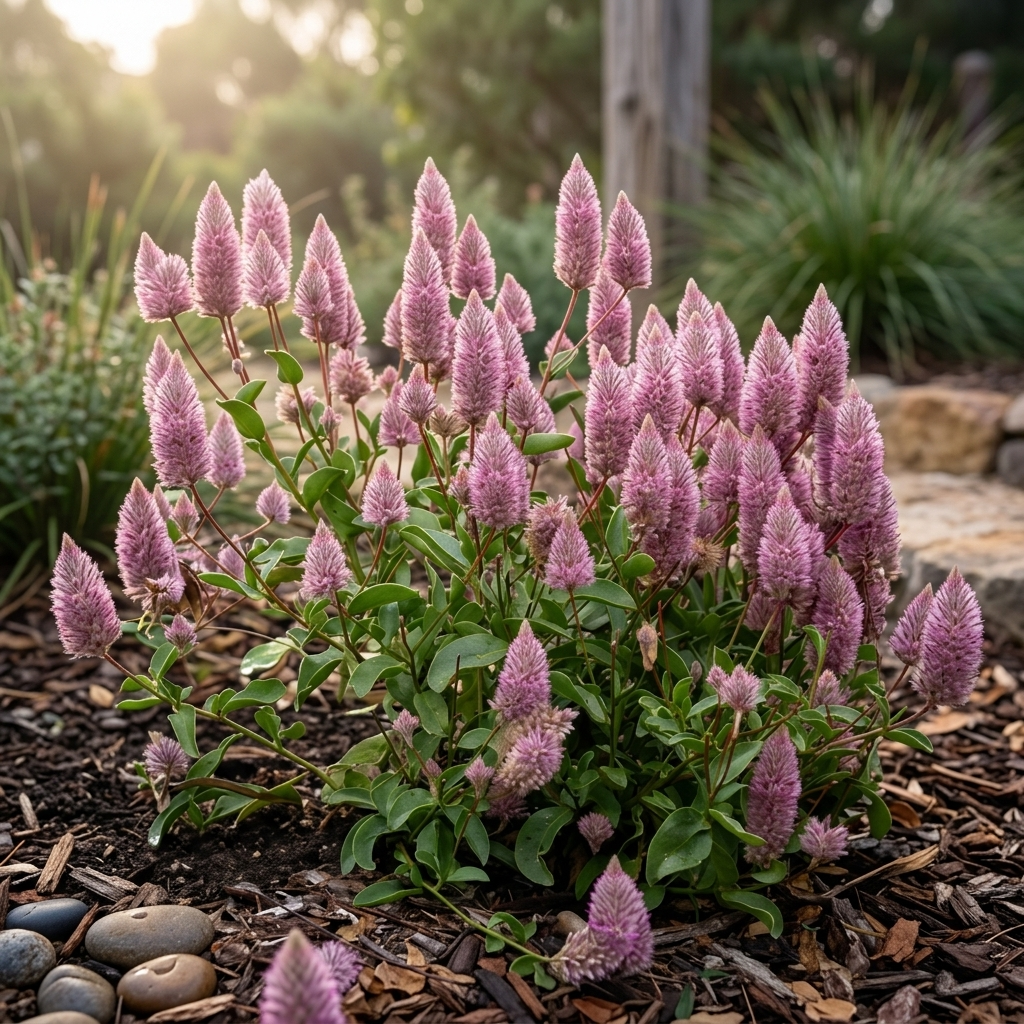
It is not one of those plants everyone already knows. That is part of its charm. The flowers rise in thick, feathery silver-pink spikes above a compact plant, and the whole thing has a soft, almost velvety appearance that makes people stop and look twice.
At Holland Kertészet we currently offer Lambs-Tails 'Joey'. The packet recommends sowing indoors from February to May, planting outside from May, and warns us about one thing in particular: it does not like standing in wet soil. The mature plant reaches around 30-40 cm.
This plant comes from Australia, so its instincts make sense. It enjoys warmth, sunshine and drainage. In Hungary, that makes it a wonderful candidate for sunny borders, gravel-style beds, pots and warm balconies where many softer annuals struggle in July.
And there is another reason I like it: the flowers are useful both fresh and dried. So we can enjoy them in the garden, cut some for a vase, and dry a few to keep when summer is long gone.
1. Meet Lamb's Tails 'Joey'
The botanical name is Ptilotus exaltatus. 'Joey' is a compact ornamental selection grown for its unusual flower spikes. The leaves form a neat mound, then the soft-looking flowering stems rise above it through summer.
Those fuzzy flower spikes are made up of many tiny flowers packed closely together. From a distance, the spike looks almost like one solid plume. Up close, it is much more intricate.
|
GOOD TO KNOW |
2. Finding the Right Place
Before we sow, let's go outside and find the kind of place this Australian plant would choose for itself.
Sunshine first
Give 'Joey' plenty of sun. Full sun helps the plant stay compact and encourages strong flower spikes. A bright terrace, south-facing border or warm gravel garden can suit it beautifully.
Drainage matters more than richness
The most important soil lesson is simple: water must be able to escape. Ptilotus dislikes roots sitting in cold or waterlogged soil. A reasonably fertile but sharply drained soil is much better than heavy, rich clay that stays wet after rain.
If your garden soil is heavy, consider a raised bed, gravelly planting area or container. In a pot, make sure the drainage holes actually work and never leave the container standing permanently in a saucer of water.
What about Hungarian heat?
This is one annual that is genuinely comfortable with warmth. Once established, it handles hot weather much better than many traditional bedding plants. That makes it useful in the hotter parts of a Hungarian garden where midday sun can be intense.
Newly planted seedlings still need regular moisture while their roots are developing. Heat tolerance does not mean a young plant can be forgotten for a week in a dry pot.
|
A COMMON MISTAKE |
3. The Lamb's Tails We Grow With You
Our Holland Kertészet packet contains five seeds of 'Joey'. That may not sound like many, but each plant can become a compact mound covered in multiple fuzzy flower spikes. With good branching, five healthy plants can make a surprisingly strong display.
The colour is difficult to describe with one word. Think silver, blush pink and soft mauve all mixed together, with a slightly metallic sheen in bright light.
4. Let's Sow 'Joey'
With only five seeds in the packet, this is one of those times when we slow down, label everything clearly and give each seed its own little space.
When to sow
The Holland Kertészet packet recommends indoor sowing from February to May. For Hungary, an early spring sowing gives the plants a useful head start before the long warm season begins.
Use warmth
Ptilotus germinates best with warmth. Use a clean seed tray, small modules or individual pots filled with fine seed compost. Moisten the compost first, then sow carefully and cover only lightly according to the packet instructions.
Keep the compost warm and evenly moist while germination begins. A bright windowsill can work if temperatures remain suitable, although a propagator or warm indoor growing area often gives more even conditions.
After germination
Once the seedlings appear, give them as much light as possible. We want compact, sturdy young plants rather than pale stems stretching toward a distant window.
Water carefully around the compost rather than soaking the crown. Let a little air move around the seedlings and avoid keeping them constantly saturated.
|
DON'T PANIC |
Potting on
When seedlings are large enough to handle and have developed several true leaves, move them into their own small pots if they were started together. Handle the root ball gently and keep the young plant at roughly the same depth.
5. Moving Outside
Ptilotus loves warmth, but that does not mean an indoor-grown seedling should be moved straight outside after one sunny afternoon in April.
Wait for frost to finish
In Hungary, wait until the danger of damaging frost has passed before planting outside permanently. The Holland Kertészet packet says planting can begin from May, which fits well with our usual spring rhythm.
Harden the plants off
For about a week, gradually introduce the seedlings to outdoor conditions. Start with a sheltered position for a few hours, then increase their time outside. Wind and direct sun are surprisingly intense for plants raised indoors.
Spacing
'Joey' is compact, but give each plant enough room to develop a rounded shape. Around 25-30 cm between plants is a useful starting point in a border or larger container.
Containers are excellent
I particularly like this plant in pots. The compact growth, unusual colour and drought tolerance once established make it very suitable for terraces and balconies. Use a free-draining potting mix and a container large enough that it will not dry out every few hours in midsummer.
|
WHAT I WOULD DO |
6. Growing Through a Hungarian Summer
Once established, this is when 'Joey' starts to look very much at home. Warm days, bright light and good drainage are exactly what it wants.
Water deeply, then let excess escape
Water when the top layer of soil begins to dry, especially in containers. Give enough water to reach the root zone, then allow the excess to drain away. Constantly wet compost is far more dangerous than a brief dry spell.
Feeding
Ptilotus does not need heavy feeding. In containers, a modest flowering-plant feed during active growth can help, but too much fertiliser encourages soft growth. We want sturdy plants and strong flower stems.
Do I need to pinch it?
Young plants can be pinched lightly if they are growing as one tall stem and you want more branching. But do not overdo it; 'Joey' naturally forms a compact plant when given good light.
Mulch?
A thin gravel mulch suits Ptilotus better than a thick, moisture-holding organic mulch right against the crown. Gravel helps keep the base dry and looks especially good with the silver-pink flowers.
Wind
At 30-40 cm, 'Joey' is not especially tall, but an exposed balcony can still be rough on container plants. A sheltered sunny position helps keep the flower stems neat.
|
GOOD TO KNOW |
7. Those Strange, Beautiful Flowers
Then the first flower spike begins to colour. At first it may look silver-grey. As it develops, hints of pink and mauve become stronger, and the soft plume takes on that characteristic lamb's-tail appearance.
The flowers are unusual enough that they work best when we let them be the star. One pot of 'Joey' beside simpler foliage can look more sophisticated than a crowded container full of competing colours.
What should we plant with it?
Try 'Joey' with silver foliage, lavender, white flowers, pale pinks, ornamental grasses or deep burgundy leaves. It also looks lovely in a warm gravel garden with other sun-loving plants.
Pollinators
The flower spikes are visited by insects, so while we admire the texture and colour, pollinators may be enjoying the flowers for a completely different reason.
8. Cutting and Drying Lamb's Tails
This is where 'Joey' gives us a second life beyond the garden. The flowers are excellent for cutting, and their papery, feathery structure makes them especially useful for drying.
For fresh arrangements
Cut stems when the flower spikes are well coloured and firm. Use clean snips, remove leaves that would sit below the waterline, and place the stems into clean water promptly.
They are wonderful with cosmos, strawflowers, yarrow, ornamental grasses and other airy summer flowers. Even one or two stems can add texture to a simple bouquet.
For drying
Choose strong stems before the flowers become old or weather-damaged. Remove most foliage, gather a few stems into a small bunch and hang them upside down somewhere dry, shaded and well ventilated.
Do not make the bunches too thick. Air needs to move between the stems. A dark or shaded drying place helps preserve the soft pink and silver tones better than strong sunlight.
When are they dry?
The stems should feel crisp and the flower heads should no longer feel cool or moist. Once fully dry, store them somewhere dry until you are ready to use them.
|
TRY THIS |
9. When Something Goes Wrong
The plant is yellowing from the base
Check the soil first. If it remains wet for long periods, the roots may be struggling. Improve drainage and reduce watering frequency rather than adding fertiliser automatically.
The plant is floppy and soft
Too much shade, excessive feeding or too much water can all create softer growth. Give the plant stronger light and a leaner routine.
The tips are wilting in hot weather
A plant in a container may simply be thirsty. Check the compost below the surface. If it is dry, water thoroughly. If it is already wet, investigate root health before watering again.
Hardly any flowers
Sunshine matters. A shaded plant may grow, but flowering will be disappointing. Excess nitrogen can also encourage leaves instead of blooms.
Grey or rotting growth
Persistent damp and poor airflow are the usual suspects. Remove badly affected material, improve air circulation and make sure the crown and roots are not sitting wet.
Pests
Ptilotus is generally not a magnet for serious pests, but aphids or spider mites can occasionally appear, especially on stressed plants. Check new growth regularly so small problems stay small.
|
DON'T PANIC |
10. Autumn and the End of the Season
By late summer and early autumn, the flower spikes may still be looking beautiful. Keep cutting the best stems and dry a few before prolonged damp weather arrives.
What happens after frost?
Ptilotus is not hardy enough to survive a normal Hungarian winter outdoors. Once a real frost arrives, the annual display is effectively finished.
Remove the plants after they decline and add healthy material to the compost if appropriate. Clean containers before winter so they are ready for spring.
Can we overwinter it?
Because Ptilotus is perennial in warmer climates, a determined gardener can experiment with keeping a favourite plant somewhere bright and frost-free. But for most of us, starting again from seed is simpler and gives stronger young plants.
Can I save seed?
If your plants form mature seed and you want to experiment, allow some flower heads to dry fully on the plant, then collect and store the seed dry and labelled. Remember that named selections may not come perfectly true from saved seed.
Why grow it again?
Because it brings something different. Plenty of annuals give us colour. 'Joey' gives us colour, texture and shape all at once. It looks modern in a pot, natural in a gravel bed and elegant in a dried bouquet.
|
GOOD TO KNOW |
Your Lamb's Tails Cheat Sheet
• Holland Kertészet: Lambs-Tails 'Joey' - 5 Seeds, Buzzy C187.
• Botanical name: Ptilotus exaltatus 'Joey'.
• Annual in Hungary; perennial only in frost-free climates.
• Height around 30-40 cm.
• Sow indoors from February to May.
• Plant outside from May after frost danger has passed.
• Choose full sun and a warm position.
• Use free-draining soil; never leave roots standing in wet compost.
• Water young plants regularly while they establish.
• Established plants handle heat and short dry spells well.
• Feed container plants lightly rather than heavily.
• Cut flower spikes fresh or dry them for winter arrangements.
• Protect pots from prolonged rain and waterlogging.
• Frost ends the outdoor season in Hungary.
If You Remember Only Five Things…
1. Give Joey sunshine, warmth and excellent drainage.
2. Sow indoors in spring and wait until frost danger has passed before planting outside.
3. Water young plants, but never keep the roots permanently wet.
4. Cut the flower spikes while they are still fresh and colourful if you want to dry them.
5. Treat it as an annual in Hungary and enjoy every fuzzy silver-pink stem while summer lasts.
One Last Walk Around the Garden
We started with five small seeds. By midsummer, those five seeds can become five compact plants covered in soft silver-pink plumes that look unlike almost anything else in the border.
Perhaps yours will sit in terracotta pots on a sunny terrace in Pécs. Perhaps they will grow in a gravel bed near Győr, or beside lavender somewhere around Lake Balaton. Wherever they grow, give them the two things they understand instinctively: sunshine and drainage.
Then cut a few stems. Dry them. Keep them through winter. And next February, when you open another packet of seeds, you will already know exactly what these unusual little plants want.
When you're ready for the next plant…


