

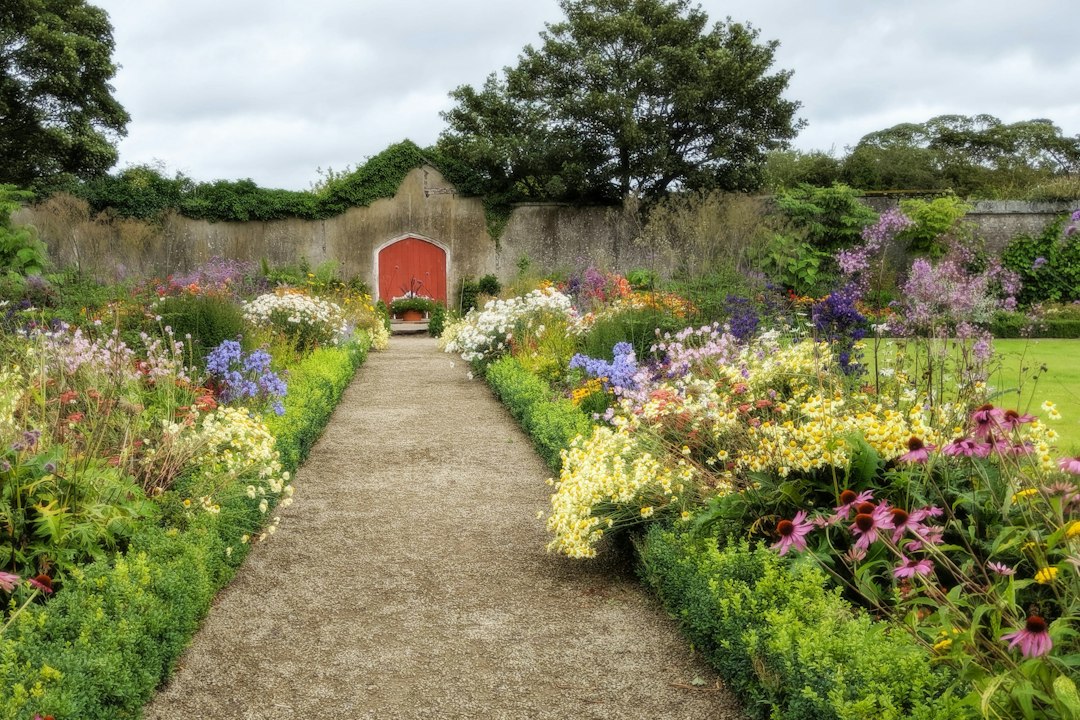
Picture the average garden border: a strip of bare soil, a few struggling shrubs, perhaps some faded bedding plants that need replacing every season. Now picture that same strip alive with cornflowers, oxeye daisies, red poppies and meadow cranesbill, buzzing with bees and dancing with butterflies from May through to October. The difference between those two scenes is often no more than a packet of seeds and an hour of light preparation. A thoughtfully chosen wildflower seed mix is one of the most affordable, wildlife-friendly, and visually dramatic changes any gardener can make, and this guide will walk you through exactly how to do it well.
Key Takeaways
-
Pollinators urgently need your help: According to the IUCN Red List assessment of European wild bees, 9.2% of wild bee species in Europe are now threatened with extinction, therefore, even a modest garden border planted with the right wildflower seed mix becomes a meaningful piece of pollinator habitat.
-
Choose native species for your region: As Wildaflowers pollinator seed guide notes, the best wildflower seed mix for pollinators is one where every species earns its place ecologically. For Hungary and Central Europe, that means species such as cornflower, field scabious, and oxeye daisy, plants naturally tuned to the local climate.
-
Mix annuals and perennials: Mixing annuals and perennials ensures flowers bloom throughout the growing season, providing continuous colour and habitat. Annuals give you colour in year one; perennials build a self-sustaining display from year two onwards.
-
Soil preparation is the deciding factor: RHS guidance on soil preparation is clear: wildflowers prefer low-nutrient soil, and sowing into the wrong conditions often leads to poor germination and weed problems. Strip out compost and fertiliser, and your wildflowers will thank you.
-
The cost savings are real: Meadowmania's environmental and cost analysis found that switching from a traditional lawn or border to wildflowers can save up to 80% in mowing costs, plus reduce spending on fertiliser and weed treatments.
Quick-Start Prioritisation Framework
| Strategy | Best For | Effort Level | Time to Results |
|---|---|---|---|
| Annual-only seed mix | First-time wildflower gardeners wanting fast colour | Low | 60-80 days |
| Annual + perennial mix | Gardeners wanting long-term, self-sustaining borders | Low-Medium | Colour in year 1; full display year 2+ |
| Perennial-only mix | Experienced gardeners building a permanent habitat border | Medium | 2-3 seasons |
| Pollinator-specialist mix | Gardeners focused on supporting bees and butterflies | Low | First summer |
| Shade-tolerant mix | Borders beneath trees or north-facing walls | Low-Medium | Season 1-2 |
Start here if you are:
-
A complete beginner: Choose an annual mix with familiar species like cornflower, poppy, and corn marigold; you will see results in under three months and can refine your approach next year.
-
A time-pressed gardener: An annual-perennial blended mix gives the best of both worlds without demanding much from you after sowing. Lancaster's Home and Garden guide to wildflower borders explains that blended mixes are designed to give a flush of colour in year one from annuals, while perennial species establish ready to shine from year two onward.
-
Focused on wildlife: Look for a pollinator-specialist mix, ideally containing species such as kidney vetch, oxeye daisy, field forget-me-not, and tufted vetch, species that provide nectar from early spring through to late autumn.
Why Your Garden Border Is the Perfect Wildflower Canvas
The Ecological Urgency Behind the Trend
It would be easy to dismiss a wildflower border as a lifestyle choice, but the data tells a more urgent story. According to Professor Denis Michez of the University of Mons, "up to 90% of flowering plants in Europe depend on animal pollination, especially on bees, which are very diverse in their number and variety of species." Yet the first-ever assessment of all European wild bee species shows that 9.2% are threatened with extinction, while 5.2% are considered likely to be threatened in the near future. That means every wildflower border planted across Hungary and Europe is a small but genuine piece of a much larger conservation puzzle. Therefore, if you have a neglected border strip of even two or three square metres, sowing a wildflower seed mix is one of the highest-impact things you can do for your local ecosystem.
The EU's Nature Restoration Law aims to reverse pollinator decline and increase populations by 2030. For the restoration of pollinator populations, EU Member States are required to improve pollinator diversity and reverse the decline of pollinator populations by 2030, and to achieve an increasing trend of pollinator populations after 2030. Private gardens have a real role to play in meeting those targets, and choosing the best wildflower seed mix for your border is a satisfying way to participate.
What Hungary's Landscape Tells Us About Native Mixes
This Central European country is home to a stunning array of native wildflowers, painting its countryside with captivating hues, from vibrant red poppies to delicate white snowdrops. Hungary's Great Plain supports native species adapted to continental climates, including the Hungarian Iris and various steppe flowers. That botanical heritage is a clue about which wildflower seed mix will thrive in a Hungarian garden: choose species that are already at home in Central European conditions, cornflower (Centaurea cyanus), field scabious (Knautia arvensis), common poppy (Papaver rhoeas), and meadow sage (Salvia pratensis). The búzavirág (Centaurea cyanus) commonly known as cornflower, is an annual flowering plant native to Europe; in the past, it often grew as a weed in cornfields, which is how it got its name. Using regionally native species means your border will establish more easily and support the insects that evolved alongside them.
Choosing the Best Wildflower Seed Mix for a Border
Annuals, Perennials, or Both?
This is the question most beginners grapple with, and the answer depends on how quickly you want results and how much ongoing effort you are willing to put in.
Annual, perennial, and biennial wildflowers have different lifecycles for growth and flowering. Annual wildflowers have a one-year life cycle; they bloom just weeks after germination and typically bloom until frost. Annual species are particularly floriferous and have a long flowering season from early summer to the first frosts of winter, and they are an excellent choice for high-fertility sites as they thrive in nutrient-rich soil and quickly establish vibrant blooms within a single growing season. If your border soil is reasonably fertile, start with an annual mix.
Perennials take a slower path. Perennial wildflowers live for multiple years, returning season after season. They may not bloom in their first year, as they typically establish strong root systems before focusing on flowering. However, once established, perennials provide long-lasting beauty with minimal maintenance. Perennials are truly here for a long time if you look after them, three to five years on average, and many people opt for perennial wildflower seeds because they don't need to be planted every year, making them a great low-maintenance option.
In practice, a blended mix is most satisfying. A combination of annual and perennial species ensures a flush of colour in year one from annuals, allowing perennial species to really shine alongside self-seeded annuals from year two onward. This is the approach recommended by Holland Kertészet for gardeners in Hungary who want a border that evolves beautifully over time with very little additional input.
Pro Tip: If you are sowing into a border with fertile soil and are unsure which mix to choose, start with an annual-dominant blend. Annuals thrive in richer conditions, give you immediate colour, and let you observe which spots in your border get the best light before committing to a longer-term perennial scheme.
Matching the Mix to Your Conditions
Wildflower seed mixes vary widely depending on the purpose and location of planting. Some mixes focus on attracting pollinators like bees and butterflies, while others aim to restore native habitats or provide colourful seasonal interest. When selecting a seed mix, consider the soil type, sunlight exposure, and the local climate.
A few practical pointers:
-
Sunny, well-drained borders suit species like oxeye daisy, wild marjoram, and field poppy.
-
Shadier spots or borders that retain moisture call for ragged robin, meadow buttercup, and field forget-me-not.
-
Wildflower mixes selected for heavy clay soils in heavier soils that retain moisture bring a continuous spread of colour throughout the season, providing essential food and forage for wildlife at their busiest time of year.
-
Many garden-centre wildflower mixes contain ornamental varieties that look native but lack the right flower structure, nectar depth, or pollen chemistry, therefore, always read the species list on the packet and prioritise mixes that specify European native species.

How to Prepare Your Border and Sow Successfully
Step 1: Strip Back and Reduce Fertility
The single most common reason wildflower sowing fails is that the soil is too rich. RHS guidance on soil preparation wildflowers prefer low-nutrient soil, and sowing into the wrong conditions often leads to poor germination and weed problems. Wildflowers prefer poor soil with low quantities of nutrient because rich, fertile soils allow weeds and grasses to out-compete them, do not use compost or fertiliser on the area to be sown.
Start by clearing the border completely. RHS guidance on soil preparation any existing turf, weeds, or vegetation. If you are working on lawn or pasture, the grass must be stripped completely as wildflower seeds will not establish in competition with it. For garden borders, remove weeds, avoid compost, and choose a seed mix that suits the level of fertility and competition in the bed. Annual mixes can work particularly well for quick seasonal colour.
Step 2: Create a Fine Seedbed
Prepare the soil to a fine tilth once the weeds have been removed, ready for sowing your wildflowers. Try not to disturb the soil any further as this may bring more weed seeds to the surface. A light rake is all you need. Aim for a crumbly, open surface rather than a deeply dug, compacted one.
Step 3: Sow Correctly and Press In
Mix the seeds with a carrier, such as sharp sand, when sowing, as this helps to distribute them evenly. After sowing, carefully tread them in. Sowing rates typically sit at around 2-4 g per square metre for a dense border display, adjust to the higher end if you want a lush, full effect in year one. Wildflower mixes selected for heavy clay soils rain is infrequent. Spring (March to May) or early autumn (August to September) are the ideal windows across most of Central Europe.
Step 4: Water and Wait
Water the seedlings regularly during the first stages of development, until they sprout out of the ground. After they germinate, water them depending on the amount of rainfall available in your area and how much water your species needs to flourish. Established wildflowers are remarkably drought-tolerant, so the main watering effort is front-loaded into the first few weeks.
Pro Tip: If weeds appear before your wildflowers, do not panic and do not spray. Identify the seedlings carefully, many wildflowers look like weeds in early growth. Field guides and plant identification apps work well here. Only remove plants you can positively identify as invasive weeds.
The Wildlife Benefits You Will Notice Within One Season
Pollinators Will Find You Quickly
Introducing a diverse mix of native plants into established garden borders will, over time, help to improve soil structure, enhance nutrient cycling, attract beneficial insects and wildlife, and reduce the need for chemical inputs. You do not need to wait long to see pollinators arrive. Native wildflowers and European pollinators have evolved alongside each other over thousands of years; long-tongued bumblebees, for instance, need deep-tubed flowers like red clover and common knapweed. A well-chosen mix provides exactly that range of flower shapes and depths.
Around 84% of crop species in the EU depend on insect pollination, a statistic that underlines just how much is at stake when pollinator habitats shrink. Your border, however small, contributes directly to reversing that trend. The Nature Restoration Regulation requires Member States to improve pollinator diversity and reverse their population decline, and private gardens are one of the most practical arenas where that work can happen.
Continuous Colour from May to October
A good wildflower seed mix can keep colour going with changing flowers for months at a time. Once established, wildflower border mixes will come back year after year to give a colourful and interesting display from May through to September. That is a longer season of interest than most traditional border plantings achieve, and at a fraction of the cost.
Pro Tip: Keep a light cut in late August or early September, removing the bulk of the growth after flowering is complete. Remove all the cut material from the site to keep nutrients low, this is the single most important annual maintenance task for a long-lived wildflower border.
The Wellbeing and Cost Benefits Nobody Talks About Enough
Your Mental Health Will Thank You
Scientific research consistently demonstrates that exposure to wildflowers and natural landscapes significantly reduces cortisol levels, blood pressure, and improves heart rate variability. A study of 20,000 people led by the European Centre for Environment and Human Health found that those who spent more than 20 minutes each day amongst nature were substantially more likely to report good health and improved mental wellbeing compared to those who did not. Therefore, if you have a border that currently makes you feel guilty every time you walk past it, replacing it with a wildflower mix is one of the kindest things you can do for yourself, not just for the environment.
Research shows gardening interventions can enhance mental wellbeing in individuals with a mental health diagnosis, and offer a holistic therapeutic approach by simultaneously addressing multiple aspects of wellbeing. Gardening has been shown to reduce cortisol levels and reduce stress, while exposure to natural light helps to regulate circadian rhythms for improved sleep.
The Running Costs Are Genuinely Low
I've found that one of the most pleasant surprises of switching a border to wildflowers is how little ongoing work it requires. In my experience, the main costs are the initial seed packet (a few euros for a small border) and perhaps fifteen minutes of cutting and clearing in autumn. The reduction in mowing frequency alone can save up to 80% in mowing costs, and the reduced need for fertiliser and weed treatments further reduces ongoing maintenance costs. Maintaining a traditional border can be expensive, with costs for water, fertilisers, and regular maintenance adding up. Wildflower gardens are a cost-effective alternative, once established, they require very little input, saving you money on water bills and gardening services.

Common Mistakes to Avoid
Adding Compost or Fertiliser
After years of gardening advice telling us to enrich the soil, it feels counterintuitive to deliberately impoverish it. But wildflowers evolved in lean conditions. Adding compost or fertiliser before sowing will encourage grass and annual weeds to outgrow your wildflowers. Strip it back and let the soil be poor.
Sowing Into Competition
A single late-summer cut removes bulk grass growth and keeps the sward open. Remove all arisings from the site, leaving them adds nutrients that favour coarse grasses over wildflowers. The same logic applies before sowing: if you leave existing vegetation in place, your wildflower seedlings will struggle to establish against established roots and canopy.
Expecting Instant Results from Perennials
Expect your perennial species to take a couple of years to flower, with some species flowering for the first time in years three or four. This is entirely normal and not a sign of failure. The roots are developing underground. In year two, the border will look noticeably fuller and more established, and from year three it often becomes genuinely spectacular.
Choosing Non-Native or Ornamental-Only Mixes
It is also vital to buy native wildflower seeds, grown from native seed, as our pollinators are well adapted to feed from species found growing locally. An imported or hybridised mix might look attractive in photographs but will provide far less value to native bees and butterflies. Look for mixes that specify European provenance and include the species names on the packet.
Frequently Asked Questions
When is the best time to sow a wildflower seed mix in Central Europe?
Spring and early autumn are the two optimal windows. Wildflower meadows are best sown during late autumn or late spring when the soil is warm and the weather is not too dry. Autumn-sown meadows will flower early in the following year. In Hungary, a March-to-May sowing or an August-to-September sowing both work well. Avoid the height of summer when dry spells can prevent germination.
Do I need to water a wildflower border regularly?
Mainly in the establishment phase. Once seedlings are a few centimetres tall and rooting properly, most European native wildflowers are adapted to cope with natural rainfall patterns. Water during any prolonged dry spells in the first season, then step back and let the plants manage themselves. Wildflowers thrive with less watering, fertilising, or mowing, especially when you choose hardy, native varieties built for your region.
How much does a wildflower seed mix cost, and how far does it go?
A good-quality European native wildflower seed mix typically costs between €3 and €15 per packet, depending on the blend and quantity. A standard sowing rate of 2-4 g per square metre means that even a modest packet covers several square metres of border. The ongoing costs are minimal: no fertiliser, no pesticides, and an annual cut rather than regular mowing.
Will wildflowers spread beyond the border and become invasive?
Most European native species are self-seeding rather than aggressively invasive. They will naturally try to spread into adjacent areas over time, which is actually part of their charm. Wildflower mixes selected for heavy clay soils bees, butterflies, and other pollinating insects, as well as small mammals and seed-feeding birds, and provides vital winter habitat for invertebrates. A simple edge with a spade or a small timber border board will keep the display where you want it.
Can I grow a wildflower seed mix in a shaded border?
Yes, with the right mix. Mixes for shady sites contain only biennial and perennial species, as annuals do not thrive in shade. Species such as red campion, greater stitchwort, and wild garlic are excellent in shadier conditions. Always check that the mix you choose specifically states suitability for partial or full shade if your border receives fewer than four hours of direct sunlight per day.
Final Thoughts
Transforming a dull garden border with a wildflower seed mix is one of the most rewarding things you can do as a gardener, and one of the simplest. You strip the soil back, scatter the seeds, press them in, and then the natural world takes over. Weeks later, colour appears. Within a season, the border is alive with insects. By year two, it is something neighbours will stop to look at. For Hungarian gardeners wanting a starting point, the team at Holland Kertészet can help you identify the right native wildflower seed mix for your specific border conditions, soil type, sun exposure, and the kind of wildlife you most want to attract.
The most important action you can take today is to assess one underused strip of your garden, clear it of competition, and give a packet of seeds the chance to do something remarkable.
Sources
-
IUCN Red List: Nearly One in Ten Wild Bee Species Face Extinction in Europe, IUCN. Assessment of 1,965 wild bee species across Europe. https://iucn.org/content/nearly-one-10-wild-bee-species-face-extinction-europe-while-status-more-half-remains-unknown-iucn-report
-
Mounting Risks Threaten Survival of Wild European Pollinators, IUCN Red List 2025. Includes data on butterfly extinction risk. https://iucn.org/press-release/202510/mounting-risks-threaten-survival-wild-european-pollinators-iucn-red-list
-
EU Nature Restoration Law, Council of the EU, European Council. Policy framework for reversing pollinator decline by 2030. The EU's Nature Restoration Law
-
Nature Restoration Regulation Summary, EUR-Lex. Legal text summary including pollinator restoration obligations. https://eur-lex.europa.eu/EN/legal-content/summary/nature-restoration.html
-
Protecting and Restoring Europe's Wild Pollinators, European Environment Agency. https://www.eea.europa.eu/en/analysis/publications/protecting-and-restoring-europes-wild-pollinators-and-their-habitats
-
How to Prepare Soil for Wildflower Seeds, Boston Seeds UK. Practical soil preparation guide. RHS guidance on soil preparation
-
Establishing a Wildflower Border Using Seed, Lancaster's Home and Garden. Annual and perennial blending advice. https://lancastersonline.com/blogs/news/establishing-a-wildflower-border-using-seed
-
Naturalised Border Wildflower Seed Mix, Kent Wildflower Seeds. Species selection and sowing guidance. Wildflower mixes selected for heavy clay soils
-
Wildflower Seed Mix Ideas for Gardens, Wildflowers UK. Guide to mix selection by soil and purpose. https://www.wildflowersuk.com/post/explore-the-best-wildflower-seed-mix-ideas-for-uk-gardens
-
The Environmental and Cost Benefits of Growing Wildflowers, Meadowmania UK. Includes mowing cost savings data. https://meadowmania.co.uk/blogs/meadowmania-blog/the-environmental-and-cost-benefits-of-growing-wildflowers
-
Wildflower Seeds for Pollinators: Native Mixes, Wildaflowers UK. Native species selection for pollinators. https://wildahome.co.uk/the-best-wildflower-seeds-for-pollinators-in-the-uk/
-
Wildflower 101: Annuals vs Perennials, The Grass People UK. Lifecycle comparison for border planning. https://thegrasspeople.com/wildflower-101-annuals-vs-perennials/
-
Wildflower Gardens and Their Many Benefits, Thursd. Research on wellbeing and biodiversity benefits. https://thursd.com/articles/wildflower-gardens-health-environment-biodiversity-benefits
-
Wildflowers and Wellness: Planting the Seed for Better Mental Health, The Family Grapevine. European Centre for Environment and Human Health study. https://thefamilygrapevine.co.uk/blog/2024/03/27/wildflowers-wellness-planting-the-seed-for-better-mental-health/
-
Impact of Gardening on the Wellbeing of People with Mental Health Conditions, European Journal of Public Health, Oxford Academic. Research shows gardening interventions can
-
Why Gardening Is Good for Your Wellbeing, RTÉ Brainstorm / Mary Immaculate College. https://www.rte.ie/brainstorm/2026/0527/1575178-gardening-mental-health-wellbeing-living/
-
Most Beautiful Native Hungarian Plants, Daily News Hungary. Native species information including cornflower. https://dailynewshungary.com/the-most-beautiful-native-hungarian-plants/
-
A Guide to Native Flowers Across Europe, Ellermann Florist. Country-by-country European native species guide. https://www.ellermann-flowers.com/floral-journal/a-guide-to-native-flowers-across-europe


