

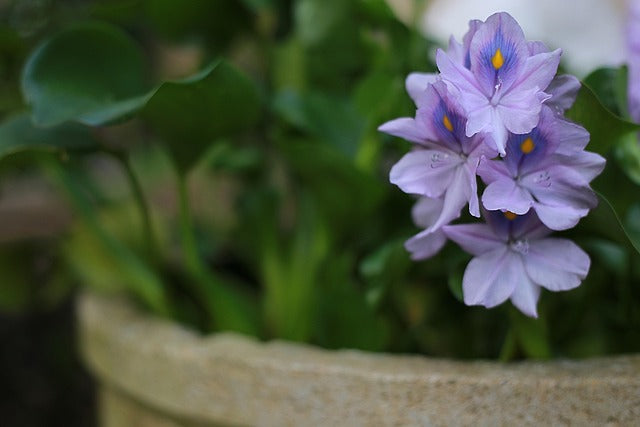
Whether you are tending a sunny balcony in Budapest, a compact courtyard in Vienna, or a sprawling garden in the Hungarian countryside, one question keeps coming up: should I plant in pots or straight into the ground? The answer shapes everything from how often you water to how big your plants grow. As urban lifestyles across Europe continue to reshape how people engage with gardening, rising population density in metropolitan regions and increasing reliance on compact housing are encouraging more households to adopt space-saving solutions, and pots sit at the heart of that movement. But open-ground planting has real advantages that pots simply cannot replicate. This guide breaks down both methods honestly, so you can choose what works best for your space, your plants, and your lifestyle.

Key Takeaways
-
Pots give you control: Having a plant in a container versus directly in the ground allows you to better customise the soil for that particular plant, which is especially useful in urban settings or on balconies.
-
Full soil grows bigger plants: A container's size should match a plant's growth requirements because restricted root growth results in decreased plant growth, open ground removes that ceiling entirely.
-
Watering demand is higher in pots: Containers and in-ground beds are almost never thirsty at the same time, potted plants typically need water far more often than the same plant in the ground. Budget extra time for watering in summer.
-
Most plants can grow in pots, but not all: There are certain vegetable crops that should never be planted in containers because of immutable biological constraints including excessive root depth, aggressive lateral spread, or structural instability, including asparagus, artichokes, rhubarb, parsnips, and full-size winter squash.
-
Gardening itself improves your wellbeing: Engagement in gardening activities has been linked with improvements in life satisfaction, vigour, psychological wellbeing, and positive affect, as well as reductions in stress, anger, fatigue, depression and anxiety symptoms. Whether you choose pots or ground, just get growing.
Quick-Start Prioritisation Framework
| Growing Method | Best For | Effort Level | Time to Results |
|---|---|---|---|
| Pots and containers | Balconies, patios, renters, small spaces | Medium (frequent watering) | Days to weeks |
| Open garden soil | Homeowners with garden space, long-term growing | Low-Medium (less watering) | Weeks to months |
| Raised beds | Intermediate option, poor native soil | Medium | Weeks |
| Combination (pots + borders) | Most European gardens | Medium | Ongoing |
Start here if you are:
-
On a balcony or terrace: Pots are your only viable option, focus on good-quality compost, adequate drainage holes, and choosing the right pot size for each plant.
-
A homeowner with garden beds: Open soil is more forgiving, cheaper to maintain long-term, and supports bigger, more resilient plants.
-
A beginner gardener: Start with one or two large pots planted with easy-going flowers like pelargoniums or petunias, then expand to ground beds as your confidence grows.
The Real Difference Between Growing in Pots and in the Ground
What Pots Do for Your Plants
Container gardening or pot gardening is the practice of growing plants, including edible plants, exclusively in containers instead of planting them in the ground. The key distinction is that a pot creates a completely self-contained world for your plant. Every drop of water, every nutrient, and every centimetre of root space is limited to what you provide. Potting soil is a lightweight, often soilless mix made specifically for container growing, usually built from a combination of peat moss or coco coir, perlite, vermiculite, and compost or slow-release fertiliser, all working together to keep roots happy in a confined space; it drains well, stays airy, and gives roots the breathing room they need to thrive.
The practical upside is real. Using a lightweight growing medium in container pots keeps them lighter so you can move your plants around without strain. You can chase the sun across a terrace, bring frost-sensitive plants indoors in October, or simply rearrange your display whenever the mood takes you. In my experience, this mobility alone makes pots indispensable for anyone who rents their home or who wants to experiment with arrangements before committing.
What Full Garden Soil Does for Your Plants
Open-ground planting connects your plants to a living ecosystem that pots simply cannot replicate. Earthworms mix soil layers and incorporate organic matter into the soil, improving its fertility as organic matter is dispersed and nutrients become available to bacteria, fungi, and plants. Research syntheses have summarised the positive effects of earthworms on plant growth and yield, with one global analysis estimating that in European cereal cultivation alone, earthworms increase yields by approximately 7 to 8 per cent. Therefore, if you have access to garden soil and can improve it with compost, you are handing your plants a long-term biological advantage that no pot can match.
Garden soil is a blended mix made specifically for in-ground planting, typically combining topsoil, compost, sand, and aged organic matter to create a base that works with your existing earth; it adds structure to outdoor beds, improves the quality of native soil, and because it covers large areas without breaking the bank, it is a practical choice for raised beds and garden plots.
Pro tip: If your garden soil is compacted or heavy with clay, work in a 10 cm layer of good-quality compost before planting each spring. This single step dramatically improves drainage, root penetration, and microbial activity without the ongoing cost of buying potting mix.
Pros and Cons of Growing in Pots
The Case for Pots
One advantage of growing in pots is that with limited space, you can put your garden right where it will receive the maximum sun exposure. That kind of flexibility matters enormously for anyone gardening on a north-facing balcony or in a garden with awkward shade patterns.
Pros:
-
Mobility, move plants to optimise sun, shelter, or aesthetics
-
Soil control, mix the perfect growing medium for each plant type
-
Weed suppression, container gardens are easy to keep weed-free
-
Accessibility, ideal for gardeners with physical limitations or no outdoor ground space
-
Frost protection, tender plants can be moved indoors or to a sheltered spot
-
If you grow your own vegetables in pots, the satisfaction of a small harvest can encourage you to adopt healthier eating habits while strengthening your connection to nature
Cons:
-
Container plants dry out much faster, requiring greater watering vigilance
-
The soil in containers tends to lose nutrients that wash out during the growing season, so additional fertiliser is needed
-
Potting soil costs more than garden soil, dries out faster when used outdoors, and eventually needs refreshing
-
Growing in containers can restrict the limit of how far plants can grow
-
At the end of the year, the soil in pots is pretty much spent, so that means starting from scratch the following season
Pro tip: In peak Hungarian summer, container plants dry out dramatically faster than in-ground plants because their root zone is finite and exposed on all sides to temperature change, in peak summer, outdoor containers may need daily watering. Set a morning watering routine before 9 am to reduce evaporation loss.

Pros and Cons of Growing in Full Garden Soil
The Case for Open Ground
In-ground gardening is typically cheaper than other methods, as it requires no extra building materials, and if your existing soil is good enough, you may not need to spend money amending it with additional loam or compost. Over a full growing season, that cost saving adds up significantly.
Pros:
-
Larger root space means bigger, stronger plants
-
Lower watering frequency, soil retains moisture from rainfall naturally
-
Long-term soil biology (earthworms, beneficial fungi) improves year on year
-
More economical for large-scale growing
-
Supports deeper-rooted plants such as shrubs, trees, and perennials
-
Better suited to plants that resent disturbance, such as asparagus and rhubarb
Cons:
-
Garden soil is too dense for containers, tends to compact over time in pots, and lower-quality soil can sometimes carry weed seeds or unwanted pests, and the same weed risk applies in open borders
-
Less control over drainage in clay-heavy soils
-
Plants cannot be moved once established
-
Frost can reach roots of borderline-hardy plants
-
Requires annual amendment to replace nutrients used by crops
The Soil Biology Advantage
One of the biggest hidden wins of open-ground gardening is what happens below the surface. Where earthworms are present there are more bacteria and fungi, important soil microlife, and they are more active, releasing nutrients from organic matter and providing an important food source for many other animals that live in soils. A living soil improves itself each year when managed well. This compounding benefit simply does not exist in a pot, where the growing medium is essentially inert and must be refreshed annually.
Garden soil typically contains organic matter providing essential nutrients for plant growth, and it also harbours beneficial microorganisms that can promote healthy plant development. Therefore, if you have a garden border, invest in its biology by adding compost and avoiding unnecessary digging, and you will be rewarded with less work and stronger plants over time.
Can Every Plant Grow in a Pot?
This is one of the most common questions gardeners ask, and the honest answer is: nearly, but not all.
Plants That Thrive in Pots
A huge range of garden favourites perform beautifully in containers. Crops such as basil, tomatoes, and lettuce thrive with limited space, and bush beans, eggplants, and peppers can also do well in pots. For flowers, the best plants for pots all year round include those with hardy evergreen foliage like English ivy, variegated euonymus and heuchera, and long-flowering plants like perennial wallflowers and hebes. Pelargoniums (geraniums), petunias, and impatiens are perennial balcony favourites across Central Europe, and lavender thrives in terracotta where its drainage needs are easily met.
Impatiens, or busy Lizzy, are some of the best flowers for pots, especially for gardeners who want to maximise the spring, summer, and autumn seasons, bringing colour from May right through to the first frosts.
At Holland Kertészet, you will find a broad selection of plants and seeds suited to both container and open-ground growing, whether you are equipping a Budapest balcony or a garden border in the countryside.
Plants That Struggle or Fail in Pots
Some plants have biological needs that containers cannot meet. Crops including asparagus artichokes, rhubarb, parsnips, and full-size winter squash should never be planted in containers because attempting them in pots leads to stunted growth, premature bolting, hollow roots, catastrophic toppling, or total crop failure even with premium soil and daily watering.
Certain vegetables, sweet corn and watermelons in particular, do not adapt to growing in containers. Large climbing roses, mature fruit trees (other than dwarf rootstock varieties), and spreading ground-cover plants also need the root run and stability that only open soil provides.
The practical rule: while containers are suitable for some vegetables, others should never be grown in small pots because they have larger and deeper root systems that tend to take up a lot of space. When in doubt, check the expected mature root depth of any plant before committing it to a pot.
Pro tip: Research has shown that doubling pot size can encourage up to a 40 per cent increase in growth in some plants, ensuring the proper water levels, food and proper soil mixture is essential for the health of any plant. If a container-grown plant looks stunted and you have been fertilising consistently, try moving it to the next size up before assuming there is a disease problem.
Watering: The Biggest Practical Difference
Watering is where the two methods diverge most dramatically in terms of daily effort.
How Often to Water in Pots
Most potted plants need watering every one to seven days, depending on plant type, pot size, sunlight, season, and soil, always check the top 2 to 5 cm of soil first and if it is dry, water deeply until it drains from the bottom. In high summer in Hungary, small terracotta pots can dry out completely within 24 hours on a south-facing balcony. Overwatering causes more plant deaths than underwatering, so always check the soil rather than following a fixed schedule.
How Often to Water in Open Ground
If your plants are in the ground the general rule is that they need approximately 25 mm of water per week, however, this does not mean watering just once per week, as plants generally do best when watered deeply about three times a week, factoring in rainfall. Established plants with deep root systems can often survive a week of dry weather without any intervention at all, drawing moisture from deeper layers of soil that pots simply do not have access to.

Making the Most of Both Methods
The Combined Approach Works Best
In my experience, the most rewarding gardens in Central Europe use both methods together. Permanent shrubs, perennials, and roses go into the ground where they can develop extensive root systems and return stronger each year. Seasonal colour, petunias, marigolds, impatiens, and herbs, goes into pots on the patio or balcony, where they can be swapped out as the seasons change and positioned for maximum visual impact.
Rising population density in metropolitan regions is encouraging households to adopt space-saving gardening solutions, with consumers increasingly integrating gardening into balconies, terraces, rooftops, and indoor environments. The European urban gardening products market was valued at approximately 5.8 billion euros in 2025 and is estimated to grow significantly over the coming decade, reflecting how deeply container gardening has become part of everyday European life. Therefore, whether you are setting up your first pot or planning a new border, you are part of a continent-wide shift towards greener living spaces.
Wellbeing is the Real Reward
Whichever method you choose, the act of growing plants rewards you beyond the harvest. Aspects that positively influenced wellbeing in gardening studies included destigmatising social connections, creating a sense of belonging, connecting with nature, and personal change through meaningful engagement, with participants reporting reduced isolation and improved mood as the main benefits, according to a systematic review published in the European Journal of Public Health in October 2025. A 2025 longitudinal study found that low exposure to neighbourhood green space was associated with higher psychological distress, while high green-space exposure was consistently associated with lower distress, with particularly strong benefits for socioeconomically disadvantaged individuals. Therefore, any form of gardening, even a single pot of herbs on a windowsill, is a genuine investment in your mental health.
Common Mistakes to Avoid
Pot Mistakes
-
Using garden soil directly in pots without amendment. Garden soil is too dense for containers and tends to compact over time in pots, starving roots of oxygen and causing waterlogging.
-
Choosing a pot that is too large. The single most common pot-sizing mistake is putting a small plant into a pot that is much too large, excess soil holds too much water, and that extra moisture around roots the plant cannot yet reach is exactly what leads to root rot.
-
Forgetting drainage holes. Never let pots sit in standing water, as roots suffocate within 24 to 48 hours in waterlogged conditions.
-
Under-fertilising. The soil in containers tends to lose nutrients that wash out during the growing season, so additional fertiliser is needed on a regular basis throughout the season.
Open-Ground Mistakes
-
Not testing or amending soil before planting. If you ensure your soil is amended with organic matter such as compost, regular applications of as little as 6 mm per season will dramatically improve your soil's water retention and help suppress disease.
-
Planting deeply-rooted crops too close together, limiting root development and airflow.
-
Ignoring soil compaction, which reduces aeration and makes it harder for beneficial organisms to do their work.
Frequently Asked Questions
Can I use ordinary garden soil in my pots?
Using a lightweight growing medium in container pots keeps them lighter so you can move them around without strain, while it can be tempting to use garden soil in potted planters, doing so can be detrimental to your plants' health. Garden soil compacts in pots, blocking drainage and cutting off oxygen to roots. Use a quality potting mix instead, or amend your garden soil with perlite and compost before using it in containers.
How do I know if my potted plant needs a bigger pot?
Restricted root growth results in decreased plant growth, root restriction is a physical stress on the plant that causes a pronounced decrease in root and shoot growth, and flowering and fruiting is also reduced for plants in small pots. Signs include roots growing out of the drainage holes, soil drying out within hours of watering, or visible stunting despite regular feeding. When repotting, increase the diameter by 5 cm at most to avoid creating excess waterlogged soil around the root ball.
Which flowers are best for pots on a European balcony?
Scented-leaf pelargoniums are ideal for pots in full sun beside a path or entrance where their fragrance can be enjoyed, and as tender perennials they can be left in pots all year round as long as they are kept in a frost-free place over winter. Petunias, impatiens, lavender, marigolds, and compact fuchsias are all reliable choices that perform well across Central Europe from late spring through to autumn. Holland Kertészet offers guidance on selecting varieties suited to Hungarian growing conditions.
Does growing in the ground always produce better results than pots?
For most plants, yes, open ground gives roots unlimited space, access to soil biology, and more consistent moisture. But not always. But not always. Roses grown in containers can face more pest pressure than their in-ground counterparts, with aphids and spider mites particularly attracted to potted specimens. Invasive species like mint also behave better in pots, where the container wall prevents them from spreading uncontrollably across a border.
How much does it cost to start container gardening in Hungary?
Starting costs vary widely depending on your choice of containers. Basic plastic pots cost from around 500 to 2,000 Hungarian forints each, while quality terracotta or ceramic containers range from 2,500 to 15,000 forints or more depending on size. A good bag of potting compost suitable for most flowers and vegetables typically costs between 1,500 and 4,000 forints. The ongoing cost is primarily fertiliser and water, significantly more than open-ground gardening over a full season, but easily offset if you grow herbs and salad crops instead of buying them.
Sources
-
Europe Urban Gardening Products Market Report, Research and Markets. Market size, growth forecast, and segment data for European urban gardening. https://www.researchandmarkets.com/reports/6261645/europe-urban-gardening-products-market
-
Garden Soil vs. Potting Soil: Pros and Cons, Gardening Know How. Comparison of soil types for in-ground and container growing. https://www.westwoodgardens.com/blog/potting-soil-vs-garden-soil-whats-the-difference
-
Garden Soil vs. Potting Soil: Pros, Cons and Uses, Randy Lemmon. Detailed breakdown of soil composition and container vs. ground differences. https://randylemmon.com/garden-soil-vs-potting-soil-pros-cons-uses/
-
Vegetable Garden in a Pot or Raised Bed or the Ground?, Northern Gardener. Practical comparison of container and in-ground vegetable growing. https://northerngardener.org/day-3-pots-vs-raised-beds-vs-traditional-beds/
-
9 Vegetables You Should Never Plant in Pots, Epic Gardening. Guide to plants unsuited to container growing. https://www.epicgardening.com/vegetables-never-plant-containers/
-
Top 22 Plants for Pots and Containers, BBC Gardeners' World Magazine. Year-round plant selection for containers. https://www.gardenersworld.com/plants/top-10-plants-for-containers/
-
Plants Grown in Containers, NC State Extension Publications. University guidance on container growing, sizing, and soil. https://content.ces.ncsu.edu/extension-gardener-handbook/18-plants-grown-in-containers
-
The Art of Watering: Container vs. In-Ground Plants, Evergreen Nursery. Practical guide to watering frequency for both methods. https://www.theevergreennursery.com/blogs/evergreen-nursery-blog/the-art-of-watering-why-its-the-top-reason-plants/
-
How Often Should You Water Plants in Pots?, The Nurso. Complete guide to pot watering frequency. https://www.thenurso.au/blogs/helpfulhints/how-often-should-you-water-plants-in-pots-complete-guide
-
Earthworms, Architects of Fertile Soils, FiBL (Research Institute of Organic Agriculture, Switzerland). European research on earthworms and soil fertility. https://www.fibl.org/fileadmin/documents/shop/1629-earthworms.pdf
-
Cultivating Wellbeing and Mental Health Through Gardening, British Psychological Society. Evidence review of gardening's psychological benefits. https://www.bps.org.uk/psychologist/cultivating-wellbeing-and-mental-health-through-gardening
-
Impact of Gardening on Wellbeing: Systematic Review, European Journal of Public Health, Oxford Academic, October 2025. Aspects that positively influenced
-
Why Gardening Makes Us Feel Better, Royal Horticultural Society. Longitudinal study findings on green space and mental health. https://www.rhs.org.uk/advice/health-and-wellbeing/articles/why-gardening-makes-us-feel-better
-
Earthworms Contribute Significantly to Global Food Production, PubMed Central. European cereal yield data attributable to earthworm activity. https://www.nature.com/articles/s41467-023-41286-7
-
Holland Kertészet, Dutch Gardening. Hungarian online garden centre with seeds, bulbs, and plant growing guides. https://www.hollandkerteszet.hu/en
-
Potting Soil vs Garden Soil: The Differences, Backyard Digs. Practical soil comparison guide for home gardeners. https://www.backyarddigs.com/gardening/potting-soil-vs-garden-soil/
-
Plant Pot Size Guide, Jay Scotts Collection. Evidence on pot size and plant growth. Research has shown that doubling
-
Earthworms: Everything You Need to Know, Garden Organic UK. Guide to earthworms and their role in open-ground soil health. https://www.gardenorganic.org.uk/expert-advice/garden-management/soil/earthworms


