


Growing a truly productive garden, whether it is packed with summer vegetables or bursting with colourful blooms, comes down to one thing: feeding your soil the right way. Future Market Insights research forecasts that global organic fertiliser demand will reach 9.8 billion in 2026, reflecting just how many gardeners are switching away from harsh chemical products. Humuforte fertilizers sit right at the heart of this shift, offering a certified organic range that covers everything from tomatoes and herbs to flowers and strawberries. If you are choosing your next bag of plant food, this guide explains exactly what each Humuforte product does and when to apply it.

Key Takeaways
-
Organic, certified BIO: Humuforte's fertilizers carry the BIO logo, meaning all products contain organic ingredients and no harmful additives, making them safe for family gardens, your cats, dogs and wildlife.
-
100-day slow release: Each Humuforte granule feeds plants for approximately 100 days while also improving soil life. One application lasts the entire growing season for most crops, so spend less time re-feeding and more time harvesting.
-
No burn risk: Each Humuforte granule feeds and the gentle effect means there is no risk of burning, so the fertilizer can be used just before planting. This removes the guesswork around timing.
-
Soil health multiplier: Healthy soil is the foundation of strong plant growth, and humic-based fertilizers contribute significantly to soil fertility by improving structure, enhancing water retention, and supporting beneficial microbial activity, meaning your garden improves season after season.
Quick-Start Prioritisation Framework
| Humuforte Product | Best For | Effort Level | Best Time to Apply |
|---|---|---|---|
| Tomatoes & Vegetables | Tomatoes, courgettes, root veg | Low | Spring, before planting |
| Strawberries & Small Fruit | Strawberries, raspberries, grapes | Low | Early spring or before planting |
| Lavender & Herbs | Lavender, mint, thyme, basil | Low | Spring or at planting |
| Universal / General | Mixed beds, unknown plants | Low | Spring soil prep |
Start here if you are:
-
A first-time gardener: Pick the tomatoes and vegetables formula; it covers the widest range of edible crops and the slow-release formula means very little can go wrong.
-
Growing fruit: The strawberries and small fruit variant is the right choice, as it contains extra potassium for flavour and juiciness.
-
Tending a herb garden or aromatic border: The lavender and herbs formula is tailored to Mediterranean plants that need phosphorus and potassium without excessive nitrogen.
What Makes Humuforte Different from Standard Fertilisers
Conventional granular fertilisers push nutrients into the soil quickly, but they do nothing to help the soil hold on to them. Humuforte takes a different approach, combining organic ingredients with a humus-rich base that works with the soil's biology rather than bypassing it.
Additional Natural Ingredients
Humuforte also offers bone meal and blood meal as part of its range of organic fertilisers. Bone meal is high in phosphorus, making it excellent for promoting strong root development and flowering. Blood meal, rich in nitrogen, is ideal for boosting lush, green growth. These ingredients further enhance the nutrient profile of Humuforte products, providing targeted nutrition for specific plant needs.
The Science Behind the Formula
Humic acid is a naturally occurring organic compound formed during the decomposition of organic materials such as plant residues, peat, and lignite. It is a major component of humus, the dark, fertile portion of soil that supports healthy plant growth. Unlike chemical fertilisers that provide direct nutrients, humic acid works by improving the soil's physical, chemical, and biological properties, making nutrients more accessible to plants.
Studies have shown that humic acid-powered soil can increase soil fertility by 70%. Humic acid enhances the soil's cation-exchange capacity, allowing better nutrient uptake and more effective absorption of essential nutrients like nitrogen, phosphorus, and potassium. In practical terms, this means that every gram of fertiliser you apply goes further. If your soil is currently struggling, make this the reason to switch to Humuforte this season.
A Safer Formula for Your Roots
By improving soil aggregation and organic matter functionality, humic acids help soils retain more water, reducing drought stress and improving recovery after dry periods. Numerous studies show that humic substances enhance root density and branching, resulting in better water acquisition, stronger anchorage and enhanced nutrient uptake.
Pro Tip: Sprinkle Humuforte granules when rain is expected, or water thoroughly afterwards during dry spells. According to Each Humuforte granule feeds, moisture activates the formula and drives nutrients directly into the root zone.
Humuforte for Vegetables: The Right Product at the Right Moment
Vegetables are hungry plants. They exhaust nutrients fast, especially heavy feeders such as tomatoes, peppers, and courgettes. Getting the timing right makes the difference between a modest harvest and a bumper one.
Additional Options
For those looking to tailor their fertilisation approach, Humuforte's bone meal and blood meal can be used to complement the tomatoes and vegetables formula. Bone meal is particularly beneficial when planting root vegetables, as it encourages robust root systems, while blood meal can increase nitrogen levels for leafy greens.
Tomatoes and Vegetables Formula
The Humuforte tomatoes and vegetables fertiliser is an organic quality formula with a long-lasting effect, nourishing for about 100 days while also improving soil life. It is a balanced, environmentally friendly formula for tomatoes and other vegetables. It contains phosphorus and potassium for firm and deliciously tasty, fragrant vegetables.
Apply it in early spring before setting out transplants, working it into the top 5 cm of soil. The Old Farmer's Almanac's vegetable fertilisation guide advises that most vegetables benefit from fertilising at planting and again during periods of rapid growth, so a single Humuforte application before planting followed by one mid-season top-dressing is a sound routine. For root vegetables and potatoes, use 150-250 grams per m², then water in well.
Root Vegetables and Heavier Crops
Phosphorus is important because it is needed for root development and growth, while potassium strengthens plants' abilities to resist disease. Both nutrients are present in the Humuforte vegetable formula, which is why it supports crops that spend much of their energy building underground structure, such as carrots, parsnips, and beetroot.
In my experience, applying the granules a week before planting and raking them in well produces noticeably stronger seedlings at transplant time, particularly for tomatoes, which tend to stall without a proper nutrient foundation.
Humuforte for Flowers: Feeding Blooms Without the Guesswork
Flowers have slightly different needs to vegetables. Too much nitrogen produces lush green growth at the expense of blooms, while a balanced phosphorus and potassium profile triggers flowering and strengthens stems.
Enhancing Bloom with Bone Meal
In addition to the balanced Humuforte formulas, bone meal can be a valuable addition for flower gardens. Its high phosphorus content supports abundant blooms and can be particularly effective when applied at planting time or when buds begin to form.
Understanding What Flowers Actually Need
As Gardening Know How's rose fertiliser guide explains, the N figure in the NPK ratio drives top growth, P drives root development, and K supports the plant as a whole, keeping it healthy and resilient. A fertiliser that is too heavy in nitrogen will deliver impressive foliage but disappoint at flowering time.
The requirements of flowers shift with each growth stage, so timing the application of organic fertilisers can go a long way. Key growth stages when fertilisation is most helpful include planting, when flowers need a good start, fertilising the soil to encourage root growth and early vigour. Apply Humuforte at planting, then again as buds begin to form for the strongest show of colour.
Lavender and Herbs Formula
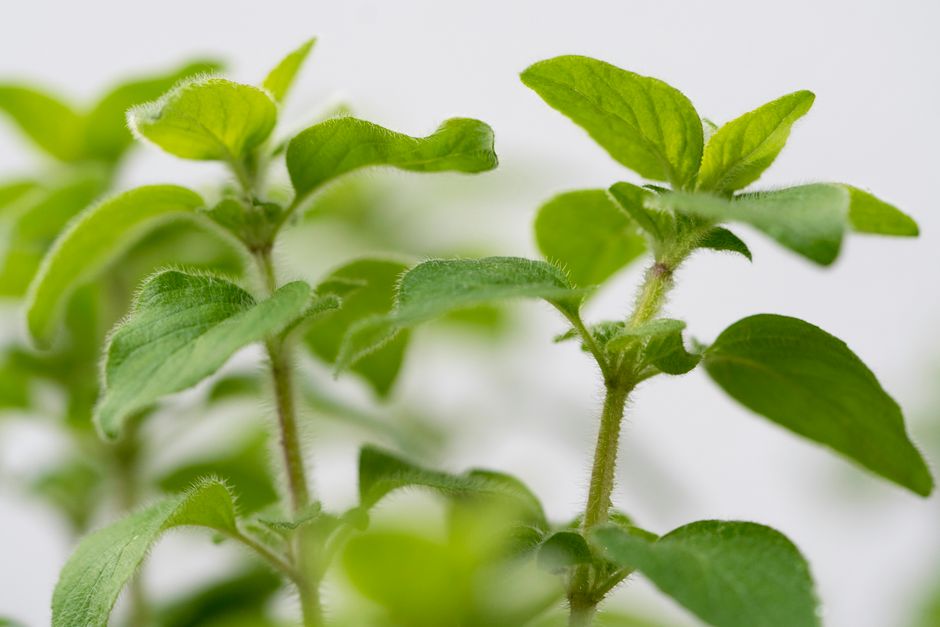
The Humuforte lavender and herbs fertiliser delivers a long-lasting effect for fragrant lavender and herbs. The fertiliser nourishes for about 100 days while also improving soil life. It is a balanced, environmentally friendly formula for lavender, thyme, mint, and basil, among others. It contains phosphorus and potassium for firm and flavourful, fragrant herbs.
Pro Tip: For pot-grown herbs on a balcony or patio, container plants lose nutrients through drainage more quickly than in-ground plants. We recommend feeding every 6-8 weeks during the growing season. With Humuforte's 100-day formula, a spring and mid-summer application covers this requirement neatly.
Humuforte for Strawberries and Small Fruit
The Humuforte strawberries and small fruit fertiliser is an organic quality product with a long-lasting effect for tasty and juicy strawberries and small fruit, nourishing for about 100 days while also improving soil life. It is a balanced, environmentally friendly formula for strawberries, berries, grapes, and raspberries. This fertiliser contains extra potassium for tasty, juicy fruits.
The extra potassium here is the key detail. Potassium governs sugar transport within the plant, which directly affects flavour. Apply in early spring as growth resumes, using approximately 100 grams per m² for established strawberry beds. I've found that applying it just as the first white flowers appear dramatically increases fruit set in subsequent weeks.
Common Mistakes to Avoid
A good fertiliser can still underperform if applied incorrectly. Here are the pitfalls worth knowing:
-
Applying to dry soil without watering in, nutrients cannot reach the roots
-
Over-feeding mid-season on top of a 100-day slow-release formula, unnecessary and wasteful
-
Using a high-nitrogen general fertiliser on flowering plants, it suppresses blooms
-
Stopping fertilisation too late in autumn, stop feeding roses 6 to 8 weeks before the expected first frost to help the plant focus on hardening off stems rather than producing soft new growth that will not survive winter
-
Ignoring soil structure entirely, regular soil health checks can reduce fertiliser use by 30%, promoting sustainable and eco-friendly land management, so a simple soil test before the season is always worthwhile
Pro Tip: Avoid applying liquid fertiliser solutions in the afternoon when sunlight is at its strongest, as the solution could evaporate before being absorbed. Morning, before 9 AM, or evening, after 4 PM, are the best times to apply. For granular Humuforte products, sprinkling before a light rain is equally effective.

Frequently Asked Questions
Is Humuforte safe to use on edible plants?
Yes. This fertiliser contains extra protection products are all organic and carry the BIO logo. All products with the BIO logo contain organic ingredients and no harmful additives, making these Humuforte products suitable for use in organic agriculture and horticulture. You can apply them to edible crops such as tomatoes, herbs, and strawberries without concern.
How often do I need to apply Humuforte granules?
Each Humuforte granule feeds nourishes for about 100 days, which covers most of the growing season in a single application. For longer seasons or heavy-feeding crops, a second application at around the 10-12 week mark is reasonable. Benefits accumulate with continuous use, so using Humuforte each season will gradually build a healthier, more productive soil.
Can I use Humuforte on flowers in containers?
Humic acid is safe for vegetables fruits, flowers, lawns, and ornamental plants when used as recommended. For containers, use a slightly lower application rate than for open beds, as nutrients are more concentrated in a limited soil volume. Always water well after application to prevent any surface concentration of the granules.
When is the best time of year to start feeding my garden?
The best time to fertilise vegetables is in the spring, before planting. Fertiliser should be mixed into your garden beds before you put your plants in the ground. For flowering plants we recommend separate applications in May, June, and July for roses, avoiding late-season feeding. With a 100-day slow-release product like Humuforte, a single spring application typically covers the peak growing window.
The Holland Kertészet team recommends starting with the product matched to your main crop and building from there as your garden develops. Whether you are growing tomatoes on an allotment, tending a rose border, or harvesting fresh herbs from the kitchen windowsill, choosing the correct Humuforte formula is the simplest way to give your plants exactly what they need for the season ahead.


