

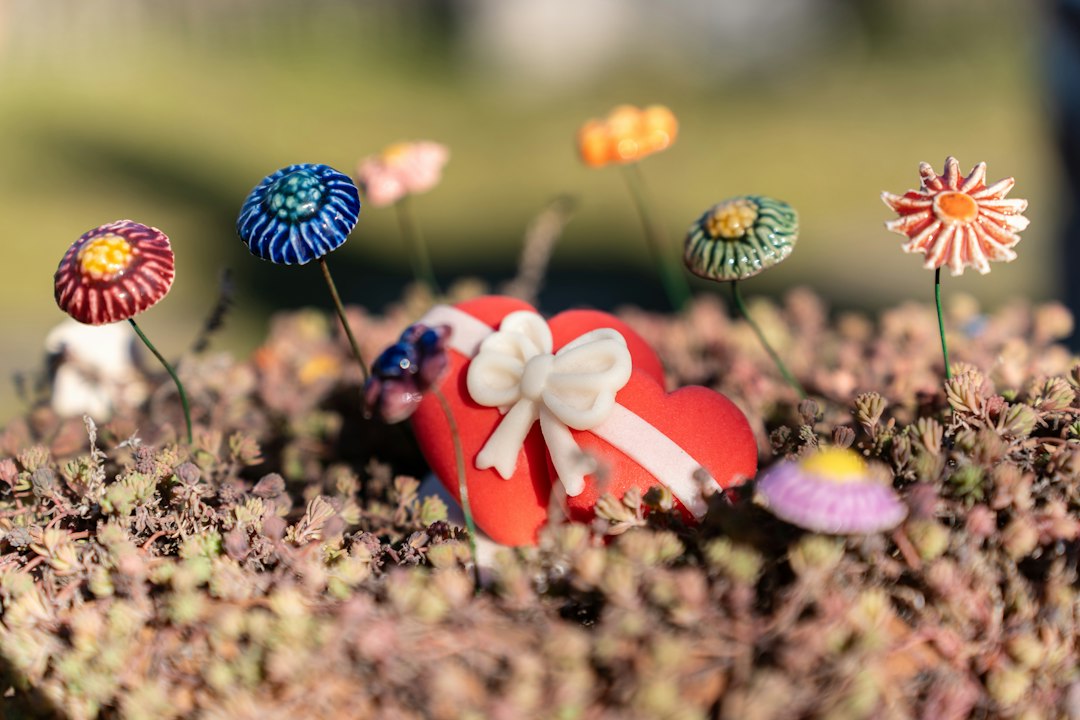
Spring arrives quietly in Hungary, then suddenly all at once. One week the soil is bare; the next, the garden erupts in colour. The secret behind that transformation? A handful of bulbs tucked into the ground the previous autumn. Bulbs are a low-maintenance plant to add to your garden, and they provide an early pop of colour when most other plants are still dormant. Better still, flower bulbs make an important contribution to biodiversity in public spaces, serving as a crucial source of nectar and pollen in spring when not many other plants are flowering, something that insects such as butterflies and bees really benefit from.
If you want your garden in Budapest, Pécs, Debrecen or anywhere in Hungary to dazzle from March through to May, the time to act is now. This guide walks you through 12 bulbs that thrive in the Hungarian continental climate, with planting depths in centimetres, bloom times, and honest pros and cons for every one.
Key Takeaways
- Plant in autumn, not spring: Autumn is the time for planting crocus, daffodils, tulips, hyacinths, alliums and other spring-blooming flowers, because planting in autumn gives them time to establish roots before they go dormant for the winter. In Hungary, that window runs from September to November.
- Cold is your friend: Most spring-blooming bulbs need to go through at least 10 weeks of cold temperatures to bloom properly. During this time, the plants inside the bulbs complete a critical stage of their development. Bulbs that miss the full chilling period may display shorter stems and smaller or malformed flowers. Hungary's winters are ideal for this.
- Drainage decides everything: Good drainage is essential for spring-flowering bulbs. If your soil holds water after rain, add coarse sand or grit before planting, or raise the bed by 10-15 cm.
- Layer for a longer show: Combine early bloomers (crocus, snowdrops) with mid-season tulips and late alliums to achieve continuous colour from February through to June. Holland Kertészet's curated spring collections are specifically designed with this staggered bloom approach in mind.
- Leave the foliage alone: If leaves are cut off too soon in spring, the bulb may not store enough food to bloom the following year. Always let foliage yellow naturally before tidying.
Quick-Start Prioritisation Framework
| Bulb | Best For | Effort Level | Bloom Time | Planting Depth |
|---|---|---|---|---|
| Holland Kertészet Mixed Collection | Complete beginners wanting instant colour | Low | March, May | 10 cm |
| Tulip | Bold statement beds and cut flowers | Low | April, May | 15-20 cm |
| Crocus | Lawn naturalising, early pollinators | Low | February, March | 8-10 cm |
| Narcissus (Daffodil) | Low-maintenance, deer/rodent resistance | Low | March, April | 15 cm |
| Hyacinth | Fragrance, containers, patios | Low | March, April | 10 cm |
| Grape Hyacinth (Muscari) | Ground cover, mass planting | Very Low | March, April | 8 cm |
| Snowdrop (Galanthus) | Shady spots, very early colour | Low | January, March | 10 cm |
| Allium | Architectural effect, pollinator garden | Low | May, June | 10-20 cm |
| Fritillaria | Unique focal point, wildlife interest | Medium | April, May | 15-20 cm |
| Winter Aconite (Eranthis) | Woodland gardens, early bees | Medium | January, February | 7-10 cm |
| Puschkinia | Rock gardens, naturalising | Very Low | March, April | 7-8 cm |
| Scilla (Siberian Squill) | Under trees, carpeting | Very Low | March, April | 5-8 cm |
Start here based on your situation:
- Complete beginner or first-time bulb grower: Start with a Holland Kertészet ready-made mixed collection, all the variety decisions are made for you, and the bloom sequence is already planned.
- Small balcony or patio: Choose hyacinths and grape hyacinths in pots. They are compact, fragrant, and stunning in containers.
- Large garden bed: Go for tulips and narcissus in quantity. Plant in groups of 10 or more for the biggest visual impact.
- Wildlife-focused gardener: Prioritise crocus, allium, snowdrops and winter aconite to support early-season bees and hoverflies.
1. Holland Kertészet Mixed Spring Collection, Editor's Pick / Best for Effortless, Curated Colour
For Hungarian gardeners who want a spectacular spring display without spending hours researching individual varieties, Holland Kertészet's curated spring bulb collections are the obvious starting point. Rooted in Dutch horticultural tradition, the range is sourced and expertly selected with the Central European climate in mind.
The carefully assembled spring bulb selections feature harmoniously matched colours that create a natural, balanced floral spectacle in the garden. The different bulbous plants flower in succession and partly together, so you can enjoy the colours of spring continuously from March through to May.
Pros:
- Bloom sequence already planned, no guesswork needed
- Sourced directly from specialist Dutch growers
- Suitable for beds, borders, containers, and parks
- Wide range of individual varieties also available, from tulips and narcissus to alliums and muscari
Cons:
- Mixed collections offer less control over exact colour combinations
- Individual variety selection requires browsing separately
Pro Tip: Holland Kertészet's compositions have a planting depth and spacing of 10 cm and are ideal for flower beds, borders, tubs, parks and larger spring plantings where a natural, colourful overall effect is desired. Combine them with individual species for even more variety.
The 11 Best Individual Spring Bulbs for Hungarian Gardens
2. Tulip (Tulipa), Best for Bold Colour and Cut Flowers
Tulips are the showstoppers of the spring bulb world, and Hungary's cool winters make them exceptionally happy. Tulips come in countless colours and varieties and are one of the most versatile spring bulbs. You can choose from deep reds, pastel pinks and even multicoloured options.
The best time to plant tulips is late October or early November, around six to eight weeks before the first frost. Planting too early can increase the chance of tulip fire. Aim for a depth of 15-20 cm with 10-15 cm spacing. Many gardeners treat tulips as annuals, but if you prefer bulbs that come back, consider planting Darwin hybrid tulip bulbs.
Pros:
- Enormous variety of colours, heights and flower forms
- Excellent as cut flowers
- Darwin hybrids reliably perennialise in Hungarian conditions
Cons:
- Classic tulips often perform best in the first year only
- Animals often dig and eat tulip bulbs during the winter. Wire mesh protection may be needed
Pro Tip: For the longest display, mix early, mid-season and late-flowering tulip varieties. You can find an excellent range including Triumph, Darwin hybrid and lily-flowered forms at Holland Kertészet's curated spring collections.
3. Crocus, Best for Early Pollinators and Lawn Naturalising
The crocus is an early-spring, low-growing flower that welcomes the warmer seasons. They come in various colours, including purple, blue, yellow, orange, and white. Crocuses are easy to grow and naturalise easily in lawns.
According to Holland Kertészet's own crocus planting guide, spring-flowering crocus corms should be planted in autumn in Hungary, ideally from September to November while the soil is workable and not yet frozen. Autumn planting ensures the corms receive their necessary winter cold treatment and gives roots time to strengthen. Plant at 8-10 cm depth with 5-10 cm spacing.
Pros:
- One of the first flowers to emerge, sometimes through snow
- Naturalises readily in grass without mowing conflicts
- Excellent pollinator value for early-season bees
Cons:
- Small flowers can look sparse if planted in insufficient numbers, aim for at least 25 per group
- Squirrels and mice will eat the corms if not protected
4. Narcissus (Daffodil), Best for Low-Maintenance Perennial Colour
Daffodils, or Narcissus, are very easy to look after. The bulbs return every year and will naturalise once they find a happy spot. Daffodils come in a surprising range of colours, including yellow, white, peach, apricot and even pink.
One of the great advantages of narcissus in Hungarian gardens is their resistance to rodents and deer. Animals rarely eat daffodil bulbs, which makes them far more reliable than tulips in gardens where wildlife is a problem. Plant at 15 cm depth with 10-15 cm spacing from September to November.
Pros:
- Fully perennial and self-multiplying
- Rodent and deer resistant
- Wide range of sizes from miniature 'Tête-à-Tête' to large trumpet varieties
Cons:
- Foliage can look untidy as it dies back in late spring
- Fragrant varieties may not suit everyone at close range
5. Hyacinth (Hyacinthus orientalis), Best for Fragrance and Container Gardening
Since the 17th century, hyacinths have fascinated gardeners and horticulturists, not only for the variety of colours but also for the sweet fragrance. They are the perfect plant for indoors and outdoors, and are the ideal companion for other spring flowers. Hyacinths love a spot with full sun and good drainage.
Plant hyacinth bulbs in autumn typically from September to November, at a depth of around 10 cm and 8 cm apart. Use gloves when handling, some people develop skin irritation after handling hyacinth bulbs. You can browse Holland Kertészet's curated spring collections, which includes popular varieties such as Delft Blue, Anne Marie, City of Haarlem and Gipsy Queen.
Pros:
- Exceptional fragrance, a single pot can scent an entire patio
- Excellent for indoor forcing through winter
- Dense flower spikes are highly attractive to bees
Cons:
- With good care, hyacinths will return for several years, although the blooms may slowly become smaller over time.
- Bulbs are prone to rot in waterlogged soil

6. Grape Hyacinth (Muscari), Best for Ground Cover and Mass Planting
Muscari, also known as grape hyacinth, takes its common name from the flower's shape; it looks like an upside-down bunch of grapes. Muscari require very little attention, are easy to naturalise and will return year after year.
Plant at 8 cm depth with 5-8 cm spacing, ideally in groups of at least 25 bulbs. The classic deep blue of Muscari armeniacum is an outstanding partner for yellow or orange tulips and creates a vivid colour contrast in Hungarian borders. Grape hyacinth blooms in spring in full sun to dappled shade and can be planted as bulbs in autumn. It supports bees and butterflies.
Pros:
- Extremely low maintenance
- Naturalises quickly and spreads to fill gaps
- One of the most reliable perennial bulbs for Hungarian conditions
Cons:
- Can spread aggressively and crowd out smaller neighbours
- Foliage appears in autumn and may look untidy through winter
7. Snowdrop (Galanthus nivalis), Best for Shady Spots and the Earliest Colour
Snowdrops and scillas are some of the earliest flowering plants in the garden, brightening up the short days of very early spring. In Hungary, snowdrops often push through as early as January or February, making them invaluable for a garden that never entirely loses its colour.
Plant snowdrop bulbs as early as possible in August or September, 10-15 cm deep and about 10 cm apart. If you cannot plant in early autumn, it is still possible to plant them in October and November. Snowdrops often do better when planted 'in the green', already growing, in the spring rather than in their dormant state.
Pros:
- Flowers through snow and frost, genuinely the earliest spring bulb
- Thrives in partial to full shade under deciduous trees
- Naturalises steadily to form impressive drifts over time
Cons:
- Small, delicate flowers require planting in large quantities to make an impact
- Dormant dry bulbs can be slow to establish in the first year
8. Allium (Ornamental Onion), Best for Architectural Drama and Pollinators
Alliums bring unique architectural form and vibrant colour to the garden with their spherical, globe-shaped flower heads held aloft on sturdy stems. They bridge the gap between spring and summer perfectly in Hungarian gardens, typically blooming in May and June when tulips and narcissus have finished.
The most common hardy allium bulbs are planted from September to November and survive the winter due to the storable bulb, sprouting again through newly emerging daughter bulbs. Large varieties such as 'Globemaster' should be planted 15-20 cm deep; smaller types at 8-10 cm. The Gardenersworld allium growing guide confirms that 'Globemaster' bears rounded, deep violet flower heads 15-20 cm in diameter from late spring to early summer.
Pros:
- Spectacular globe-shaped flower heads are highly architectural
- Ornamental onion blooms from late spring to early summer with a comparatively long bloom time, tolerates some shade, and supports bees and butterflies.
- Seed heads remain decorative well into summer
Cons:
- Foliage begins to yellow and die back before the flowers even open
- Taller varieties may need staking in exposed Hungarian gardens
9. Fritillaria (Kockásliliom), Best for a Unique Focal Point
Fritillaria is one of the most distinctive spring bulbs available in Hungary. If you are searching for exotic and unique spring blooms, then fritillaria bulbs are a must-have for your seasonal displays. Native to the mountains of Eastern Europe, these hardy bell-shaped blooms will provide months of excitement to your garden.
The best time to plant fritillaries is in September and October, so they can flower in April and May. Plant bulbs 2 to 3 times the depth of the bulb, with 10-15 cm distance between each bulb and with the pointy end facing upwards, then cover in soil and water gently. The crown imperial (Fritillaria imperialis) is a particular favourite in Hungarian tradition, known locally as 'kockásliliom'.
Pros:
- Extraordinary, exotic-looking flowers that always draw comment
- Supports birds, flies, wasps and bees
- Crown imperial varieties reach 60-90 cm and make dramatic focal points
Cons:
- Bulbs and flowers have a faint foxy scent that some people find unpleasant
- Needs very well-drained soil or bulbs will rot over winter
10. Winter Aconite (Eranthis hyemalis / Téltemető), Best for the Woodland Garden
Winter aconite is one of the most cheerful sights in any January or February garden. Tiny, bright yellow, cup-shaped flowers open above a ruff of green leaves, often while frost still sits on the surrounding soil. Winter aconite blooms in early spring in full to part sun and supports bees and hoverflies.
The small, raisin-like tubers can be pre-soaked in tepid water for 3 to 4 hours before being carefully dried and planted 7 to 10 cm deep and approximately 5 cm apart in fertile, humus-rich soil in full sun to dappled shade. This pre-soaking step is important because the tubers dry out quickly once lifted, plant on the same day if possible.
Pros:
- Among the very earliest flowers of any year, often in January
- Naturalises beautifully under deciduous trees and shrubs
- Extremely cold hardy, perfect for all Hungarian climate zones
Cons:
- The small, raisin-like tubers can conditions, especially in the summer garden, and if the tubers dry out they will be difficult to re-establish.
- All parts are toxic if ingested, keep away from children and pets
11. Puschkinia (Striped Squill), Best for Rock Gardens
Puschkinia, more commonly known as striped squill, can be an unfamiliar bulb plant for many gardeners. Its pretty blue and white flowers can be a welcome addition to any spring garden. The flowers are borne in early spring in racemes up to about 25 cm high.
Plant the small bulbs 7-8 cm deep in autumn, in a sunny spot with excellent drainage. They are particularly well-suited to rock gardens and gravel plantings, where their neat habit and delicate colouring look their best. Puschkinia works very well in rock gardens and as a splash of pretty colour in between shrubs.
Pros:
- Extremely easy to grow and maintain
- Naturalises reliably without becoming invasive
- Charming blue-and-white striped flowers are genuinely unusual
Cons:
- Small stature means it can be overshadowed by taller neighbours
- Less widely available than tulips or narcissus, order early
12. Scilla (Siberian Squill / Csillagvirág), Best for Carpeting Under Trees
Scilla siberica is a bulb that rewards mass planting more than almost any other. When dozens or hundreds bloom together, the effect is a vivid carpet of intense sky-blue that makes the whole garden feel alive with colour.
Squill (Scilla) blooms in late winter to early spring in full to part sun and supports bees. Plant at 5-8 cm depth with 5-8 cm spacing in autumn. Like snowdrops, scilla is happiest under deciduous trees where it receives full winter light but is shaded through summer when it is dormant. It pairs beautifully with snowdrops and early crocuses for a continuous early-spring display.
Pros:
- Striking, pure blue colour is unlike almost any other spring bulb
- Multiplies rapidly to form impressive carpets over a few years
- Thrives in partial shade where many bulbs struggle
Cons:
- Can spread very freely and may need management in smaller gardens
- Flowers are short-lived, typically two to three weeks per season

Common Bulb-Planting Mistakes to Avoid
Planting at the Wrong Depth
The single most common mistake is planting too shallow. The depth for planting varies, but a good rule of thumb is two to three times the height of the bulb. A large tulip bulb needs at least 15 cm of soil above it. A crocus corm only needs 8 cm. Get this wrong and you risk frost damage, poor flowering, and bulbs popping to the surface.
Ignoring Drainage
The planting area should have good drainage. Bulbs do not like wet feet, so avoid areas with soggy soil where rainwater gathers, such as the bottom of a slope. If your Hungarian garden has heavy clay soil, dig in a layer of coarse sand or grit 5-10 cm deep before planting to create the drainage that bulbs need.
Cutting Foliage Too Early
Allow foliage to die back naturally after blooming; do not cut it off while still green since it feeds the bulbs and sets them up for a successful flower display the following year. This applies to every bulb on this list without exception. Resist the temptation to tidy up until the leaves have turned fully yellow.
Pro Tip: Bulbs can be planted in flower beds, in lawns, around trees, or grown in pots or window boxes. If you are worried about the look of dying foliage in beds, plant low-growing perennials nearby to mask it as the season progresses.
How to Choose the Right Bulbs for Your Hungarian Garden
By Bloom Time
Layer early, mid, and late bulbs to extend your season. Snowdrops and winter aconite open as early as January. Crocus and scilla follow in February and March. Narcissus and hyacinths peak in March and April. Tulips and fritillaria peak in April and May. Alliums carry the show from May into June. If you are starting from scratch, Holland Kertészet's mixed spring collections already combine these layers for you.
By Garden Situation
- Full sun, well-drained soil: Tulips, alliums, hyacinths, fritillaria
- Partial shade under trees: Snowdrops, scilla, winter aconite, puschkinia
- Lawn naturalising: Crocus, muscari, narcissus
- Containers and pots: Hyacinths, dwarf narcissus, crocus, muscari
By Effort Level
Flowering bulbs are easy to care for and add colour and texture to the garden. If you have very little time, narcissus, muscari and crocus are virtually self-managing once established. If you enjoy a little more involvement, alliums and fritillaria reward careful soil preparation and positioning.

Frequently Asked Questions
When is the best time to plant spring bulbs in Hungary?
Spring bulbs can be planted from the beginning of September right through to December. In practice, most Hungarian gardeners aim for September to November, before the ground freezes hard. Tulips benefit from a slightly later planting, late October or early November, as cold soil reduces the risk of fungal disease. The key rule is simple: get your bulbs into the ground before the first hard frost, and the cold Hungarian winter does the rest of the work for you.
How deep should I plant spring bulbs in centimetres?
Depth varies by species. As a general rule, plant bulbs at two to three times their own height. Tulips and narcissus go in at 15-20 cm. Hyacinths at 10 cm. Crocus and muscari at 8-10 cm. Snowdrops at 10-15 cm. Alliums at 10-20 cm depending on bulb size. Scilla and puschkinia at 5-8 cm. Even if you plant a bulb with the wrong end up, most will right themselves, so do not worry too much about perfect orientation.
Do I need to dig up my spring bulbs after flowering?
Most hardy spring bulbs planted in Hungary can be left in the ground year-round. Hardy bulbs such as tulips and daffodils can be left in the ground to flower year after year. The exception is where soil is very wet over summer, which can cause bulbs to rot. Classic tulips tend to produce smaller flowers in subsequent years, so many gardeners choose to lift and store them, or treat them as annuals and replant fresh bulbs each autumn.
Can I grow spring bulbs in pots and containers on a balcony?
Absolutely. Bulbs can be grown in pots or window boxes, making them ideal for Hungarian apartments with balconies. Use a good-quality, free-draining compost mix and ensure pots have drainage holes. Hyacinths, dwarf narcissus ('Tête-à-Tête' is a favourite), crocus and muscari all perform brilliantly in containers. Move pots to a sheltered, unheated spot through the coldest months to prevent the compost from freezing solid.
How do I choose quality bulbs?
Buy from reputable sources that can trace bulbs to certified Dutch growers. A good bulb should feel firm and heavy, with no soft spots, mould, or visible damage. Size matters too, larger bulbs almost always produce more vigorous flowers. Holland Kertészet sources its range directly from specialist Dutch producers, with varieties selected for performance in Central European conditions. Choose firm bulbs with no sign of mould, and plant them at their freshest, ideally within a week of buying.
Final Thought
Spring bulbs are one of the most rewarding investments any gardener can make. A small amount of effort in autumn, a few hours of planting across a weekend, delivers months of colour and joy from February through to June. In my experience, the biggest mistake is always doing too little rather than too much. Plant more bulbs than you think you need, and layer them generously. You will never regret a garden that overflows with spring colour.
Whether you are planting your very first crocus or designing a complex layered border, Holland Kertészet's curated spring collections is the best place to start in Hungary, a curated range built on genuine Dutch expertise, offered with the Hungarian gardener firmly in mind.
Sources
-
Holland Kertészet, Spring Bulb Collections, Holland Kertészet. Curated spring bulb selections for Hungarian gardens. Holland Kertészet's curated spring collections
-
Holland Kertészet, Crocus Planting Guide, Holland Kertészet. Detailed crocus guide for Hungarian conditions. https://www.hollandkerteszet.hu/blogs/come-in-the-garden-with-me/crocus
-
Holland Kertészet, Kompozíció Tillsammans, Holland Kertészet. Mixed spring bulb composition details. https://www.hollandkerteszet.hu/products/composition-tillsammans
-
The 10 Best Spring Flowering Bulbs, DutchGrown UK. Comprehensive spring bulb overview. https://www.dutchgrown.co.uk/blogs/the-dutchgrown-blog/these-are-the-10-best-spring-flowering-bulbs
-
When to Plant Spring-Blooming Flower Bulbs, Longfield Gardens. Expert timing guide for spring bulb planting. https://www.longfield-gardens.com/blogs/fall-planted-bulbs-how-to/when-to-plant-spring-blooming-flower-bulbs
-
Spring-Flowering Bulbs, Clemson University Extension (HGIC). Care and planting guide. https://hgic.clemson.edu/factsheet/spring-flowering-bulbs/
-
Allium Plant Care, Plantura. Ornamental onion planting and care guide. https://plantura.garden/uk/flowers-perennials/allium/allium-plant-care
-
How to Grow Fritillaria Bulbs, DutchGrown EU. Fritillaria planting guide from Dutch growers. https://www.dutchgrown.eu/blogs/the-dutchgrown-blog/growing-guides-how-to-grow-fritillaria-bulbs


