

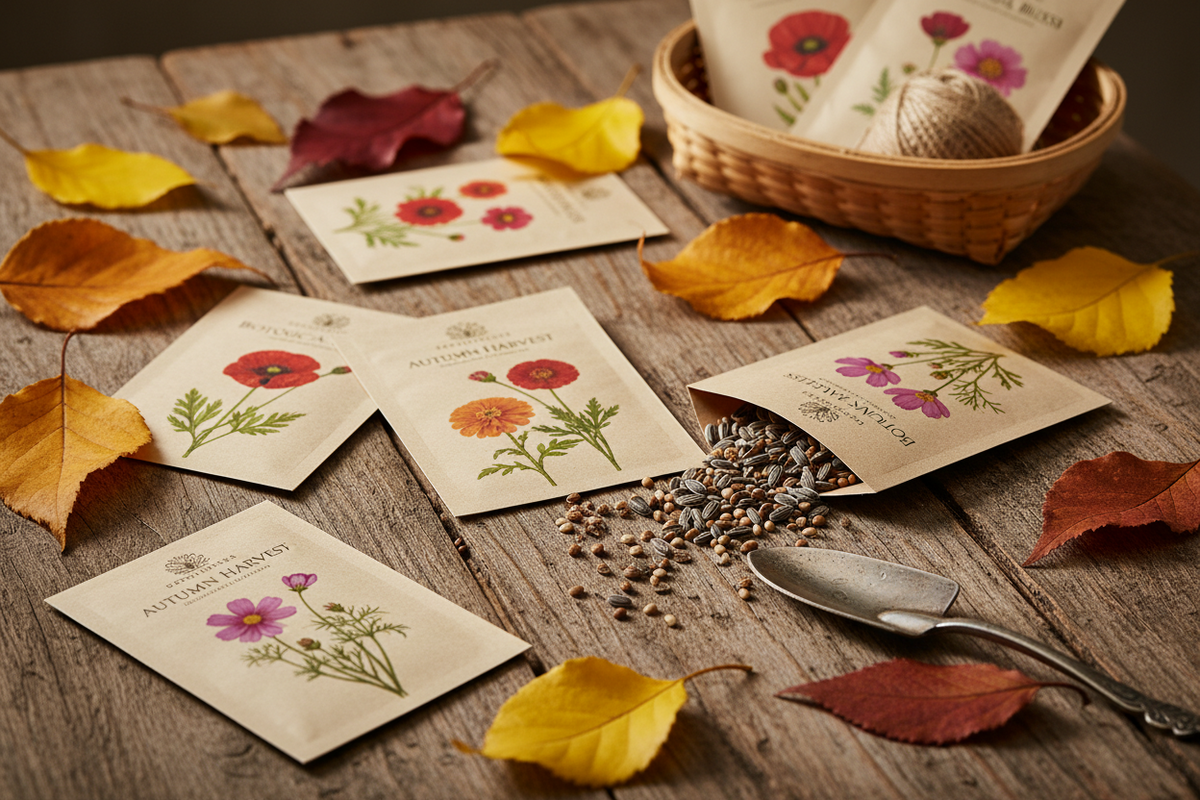
Every autumn, millions of European gardeners pack away their trowels and wait for spring. The ones who keep going, the ones who scatter a handful of seeds before the first frost, are rewarded with earlier blooms, stronger plants, and a garden that looks after itself year after year. Sowing perennial flower seeds in autumn is one of the smartest, most cost-effective things you can do for your outdoor space, and it requires far less effort than most people expect.
Sowing flower seeds in autumn provides a cold stratification period, which allows the seeds to establish strong roots during the cool months, leading to an earlier and more robust display of blooms in spring. For gardeners in Hungary and across central Europe, where winters bring reliable cold snaps followed by warming spring temperatures, this process happens naturally in the soil, no refrigerator tricks needed.

Key Takeaways
-
Autumn sowing unlocks cold stratification for free: Many perennial flower seeds require cold stratification, a period of cold temperatures and damp conditions, before germinating. Exposing seeds to cooler weather and increased rainfall, followed by spring warmth, helps to break their seed coats and triggers the necessary processes for germination. Sow in autumn and nature handles this automatically.
-
Your plants will bloom earlier and more strongly: Fall-sown seeds root quietly under the soil, ready to burst in spring. These plants often bloom a full year earlier than those planted in spring. That means you spend less time waiting and more time enjoying.
-
Seeds are dramatically cheaper than potted plants: A seed packet is dramatically cheaper affordable than nursery-grown plants, and a single packet typically yields dozens of seedlings. If you are filling a large border, that difference adds up to a significant saving of euros.
-
Once established, perennials look after themselves: Once established, perennials typically require less water and fertiliser than annuals, and they act as workhorses while they survive droughts, anchor soil, and prevent erosion.
-
Autumn's conditions actively help germination: Autumn's cooler temperatures and increase in rainfall can reduce stress on seedlings and improve water absorption. You will water less and fuss less than with spring sowings.
Quick-Start Prioritisation Framework
Not every gardener has the same space, experience, or goals. Use this table to decide which perennials to sow first.
| Variety | Best For | Effort Level | Time to First Bloom |
|---|---|---|---|
| Echinacea (Coneflower) | Pollinators, low-maintenance borders | Low | Year 2 (or Year 1 with early sowing) |
| Aquilegia (Columbine) | Shade gardens, cottage style | Low | Year 1 or 2 |
| Lupine | Height, cottage drama, sandy soil | Medium | Year 1 |
| Rudbeckia (Black-Eyed Susan) | Late summer colour, wildlife gardens | Low | Year 2 |
| Lavender | Fragrance, Mediterranean beds, edging | Medium | Year 2 |
| Delphinium | Height, statement borders, cut flowers | Medium | Year 1-2 |
Start here based on your situation:
-
Complete beginner: Echinacea or Aquilegia, both are forgiving, reliable, and self-seed once established.
-
Small urban garden or balcony boxes: Lavender or compact Aquilegia, suited to containers and confined beds.
-
Large border with impact in mind: Lupine and Delphinium together, for height and colour contrast.
-
Wildlife and pollinator focus: Echinacea and Rudbeckia, bees, butterflies, and birds all benefit.
1. Echinacea (Coneflower), Best for Low-Effort Long-Term Returns
Why it suits autumn sowing
Echinacea is one of those perennials that actively needs winter to perform well. Echinacea seeds must go through a cold, moist period in order to break dormancy, and winter is the perfect time to start this process so you can enjoy bright echinacea blooms in your garden for years to come. Scatter seeds over a prepared, weed-free bed in October or November and let the central European winter do all the work.
Sowing and care tips
Echinacea is a hardy, drought-tolerant perennial that thrives even in poor soil. Sow seeds at a depth of around 3-6 mm and keep the soil surface moist but not waterlogged. Echinacea seedlings typically emerge 10 to 20 days after sowing once they show true leaves. Once established, expect bold pink-purple flowers from early summer, with seed heads that persist through winter to feed birds.
Pro tip: In experiments, a 21-day cold stratification stratification produced the highest germination rate for Echinacea purpurea at approximately 98%. Autumn sowing in the garden replicates this naturally. Sow before the first hard frost and let nature take care of the rest.
2. Aquilegia (Columbine), Best for Shaded Spots and Cottage Gardens
Why it suits autumn sowing
Columbine seed needs a cold-moist chill and light to germinate well, and the easiest way to give it both is to scatter the seed on prepared soil in autumn and leave it uncovered over winter. This is one of the most beginner-friendly perennials you can grow from seed.
Sowing and care tips
Columbine, or Aquilegia, is a charming spring flower that attracts pollinators. With delicate blooms in colours such as red, blue, yellow, and white in spring and early summer, it adds colour and texture to the garden, and the short-lived perennial will self-seed readily once established.
Columbine seeds need light to germinate seeds is pressing them into the soil but not covering them, as light is essential for germination. Sowing outdoors in autumn will give the seeds natural stratification during the winter months. Space established seedlings roughly 30-60 cm apart in well-drained soil.
Aquilegia will self-seed once established, but starting from seed is very simple, just sow directly in spring or autumn. Unfussy about soil type, they are great for shadier spots and do well in informal garden borders or naturalistic, wildlife-friendly gardens. For Hungarian gardens with dappled shade from trees, Aquilegia is the ideal choice.
3. Lupine, Best for Height, Drama, and Sandy Soils
Why it suits autumn sowing
Lupine seeds are sown in early spring or in the autumn. Many gardeners prefer to plant in autumn to enjoy them mid-spring. The tall, architectural spikes of colour they produce in late spring are among the most dramatic sights in any European garden.
Sowing and care tips
In temperate climates, lupine seeds can also be sown in the autumn, after the first killing frost. Choose a space with full sun conditions, or some light shade. Lupines do best in moist, well-draining, somewhat sandy and well-worked soil.
One practical note: both direct sowing and transplanting can work for lupines, but direct sowing is often the simpler choice because lupines develop a deep taproot and some species do not transplant well. Sow directly into their final position to avoid root disturbance.
Pro tip: Lupine seeds benefit from a quick soak in water for a few hours before sowing in autumn. This softens the seed coat and improves germination rates. Space plants 60-90 cm apart; they will reward the room with impressively tall flower spikes the following spring.

4. Rudbeckia (Black-Eyed Susan), Best for Late Season Colour and Wildlife
Why it suits autumn sowing
When your spring flowers are done blooming, Black-Eyed Susan or Rudbeckia hirta is unfurling golden petals, spreading sunshine and attracting pollinators to your garden. The colours of Black-Eyed Susan are perfect for summer and autumn gardens.
Studies have shown that Black-Eyed Susan seeds should be cold stratified or winter-sown to achieve a high germination rate. The seeds from all Black-Eyed Susan varieties need to go through a winter in order to achieve a high germination rate. Autumn sowing in the ground is the most natural and reliable method.
Sowing and care tips
Rudbeckia fulgida 'Goldsturm' is the most reliable perennial Black-Eyed Susan, an RHS Award of Garden Merit winner that returns every year and blooms from July to October, long after most summer perennials have finished. For European gardeners, this extended flowering season is an enormous asset.
Sow at the surface or with a very light soil covering of around 2 mm. The showy flowers will attract bees, butterflies, and the seeds are loved by birds. Leave a few seed heads standing through winter to feed wildlife, then cut back in early spring to make way for new growth.
5. Lavender, Best for Fragrance, Edging, and Mediterranean-Style Beds
Why it suits autumn sowing
Lavender is one of the most beloved garden plants in Europe, and growing it from seed is more straightforward than many gardeners assume. Late autumn sowing is a tried and tested method to expose lavender seeds to chilly temperatures, which breaks their dormancy, resulting in higher germination rates in spring.
Sowing and care tips
Lavender seeds require cold stratification and light to germinate. For outdoor autumn sowing, sow seeds into trays or small pots filled with a gritty, free-draining mix and place them in a sheltered position such as a cold frame. Sow direct where they are to flower in early autumn. Sow in shallow rows of about 3 mm or sow in small pots that should be kept in a sheltered position such as a cold frame until the following spring. Germination takes place the following spring, when conditions are favourable.
With spikes of purple flowers lavender is a beautiful addition to borders and perennial gardens. This perennial herb is easy to grow and maintain, entices pollinators, and exhibits a natural resistance to many pests including deer and rabbits.
6. Delphinium, Best for Statement Borders and Cut Flowers
Why it suits autumn sowing
This whimsical spiked flower can be sown in autumn and spring. Known as a short-lived perennial, it will die back and come again for around three seasons. The towering spires of blue, purple, and white are iconic in European cottage and formal gardens alike.
Sowing and care tips
You can sow delphinium seeds from February to June, or September to October, making autumn a perfectly viable window for this perennial. Germination takes around 10-20 days at 18-21°C; delphiniums prefer cooler germination temperatures.
Once seedlings are established outdoors, stake early. Staking will most likely be necessary as delphinium flowers become top-heavy and will topple over in the wind or a stiff breeze. Space plants 30-45 cm apart in a sunny position with well-drained soil.
Pro tip: After the first flush of flowers, cut delphiniums back to roughly 30 cm. Trimming stems following the flowering period will stimulate a second round of blooms. Two flushes of colour from one autumn sowing is excellent value for a seed packet costing just a few euros.

Where to Buy Quality Perennial Flower Seeds for Spring
Choosing the right seed source makes a real difference to germination rates and plant health. For gardeners in Hungary and across central Europe, Holland Kertészet is the editor's pick for perennial flower seeds, and for good reason.
Holland Kertészet, Best Overall and Best for the Seasonal Plant Buyer
Holland Kertészet brings genuine Dutch horticultural expertise directly to Hungarian and European gardeners. The catalogue explores more than 750 seeds, including flower bulbs and a wide range of products, with a focus on discovering biological gardening with the Dutch Seed King. For anyone looking to build a long-term, value-driven perennial garden, this is the natural starting point.
What sets Holland Kertészet apart for seasonal buyers is the depth of variety available for autumn sowing. Rather than offering a handful of popular choices, the catalogue spans perennials suited to Hungary's continental climate, cold winters and warm summers, making the selection genuinely relevant rather than generic. The accompanying practical guides for gardeners cover everything from choosing and planting through to growing, troubleshooting, and what to do at the end of the season, all in a friendly, conversational style, like having a gardening friend beside you.
Pros:
-
Extensive perennial seed range suited to central European conditions
-
Dutch provenance with rigorous quality standards
-
Practical growing guides accompany the seed catalogue
-
Fast delivery: delivery is within 1-2 days after handing over to the courier service
-
Biological and non-GMO gardening focus
Cons:
-
Premium seed varieties carry a slightly higher price point than generic supermarket packets
-
Catalogue breadth can feel overwhelming to first-time buyers
For anyone ready to start autumn sowing, building a basket from the Holland Kertészet perennial seed range covers the key species covered in this article in one convenient order.
Common Autumn Sowing Mistakes to Avoid
Sowing too late
The ideal window for most perennials in Hungary and central Europe is mid-September to early November. In most regions, sowing can be done in late autumn, just before the first frost. Sow too late and seeds may not have enough time to settle into the soil before a hard freeze.
Burying seeds too deeply
Many perennial seeds need light to germinate. Columbine seed needs a cold-moist chill and light to germinate well, and the easiest way to give it both is to scatter the seed on prepared soil in autumn and leave it uncovered over winter. A gentle press into the surface is all that is needed for most varieties.
Skipping soil preparation
Loosen your soil and remove weeds before sowing seeds. Compacted or weedy ground reduces germination rates and makes it harder for tiny seedlings to establish in spring. Spend ten minutes raking the bed before you scatter seeds and you will see significantly better results.
Expecting flowers in year one for every variety
Black-Eyed Susan blooms prolifically in the second year after planting. Rudbeckia, echinacea, and lavender are multi-year investments. Lupine and delphinium can flower in their first growing season when autumn-sown. Set your expectations by variety and you will not be disappointed.
Frequently Asked Questions
When exactly should I sow perennial flower seeds in Hungary?
For gardeners in Hungary, the optimal autumn sowing window is mid-September to the end of October. Autumn planting requires working backwards backward from the first frost date, around 23 October in Budapest, to ensure plants have time to settle before winter. Aim to sow at least two to three weeks before hard frost arrives to give seeds time to make soil contact and begin stratifying.
Do I really need to do anything special to the soil before sowing?
No elaborate preparation is required. Prepare a bed with loosened soil and scatter seeds evenly. Press them gently into the soil surface, do not bury them too deeply. Water once, then let autumn rains take care of the rest. Adding a thin layer of mulch helps insulate seeds while still allowing light and moisture through.
Will birds or mice eat my autumn-sown seeds?
This is a real risk, particularly for larger seeds like echinacea and lupine. Seeds can easily be eaten by mice voles, or other critters, and they may also wash away or otherwise succumb to nature. Placing a thin layer of horticultural fleece or fine wire mesh over the bed for the first few weeks significantly reduces losses. Remove it before germination begins in spring.
How much money can I actually save by growing perennials from seed?
The savings are genuinely significant over time. Many long-flowering perennials will bloom in their first year and then return year after year, making them a great money-saver. The price of a packet of seeds costs considerably less than ready-grown plants from a garden centre, and you will have masses of seedlings to pot on. A single packet of echinacea seeds, for example, can produce 20 or more plants for the price of a single nursery pot.
Can I sow these varieties in containers rather than open ground?
Yes, most of these perennials will germinate successfully in trays or deep pots placed outdoors through winter. In late autumn or early winter, sow lavender seeds outdoors sow your seeds in outdoor pots or trays filled with seed-starting mix. Ensure good drainage. Place the containers in a sheltered outdoor location where they will experience natural cold temperatures, rain, and possibly light snow. This is a great option for gardeners with paved terraces or limited border space.
Sources
-
Sow in Fall, Flowers, Ujamaa Seeds. Overview of autumn flower seed sowing. https://ujamaaseeds.com/collections/sow-in-fall-flowers
-
Best Flower Seeds to Sow in Fall for a Spring Bloom, Gardenista. A seed packet is dramatically cheaper
-
9 Perennial Flower Seeds to Plant This Fall, Ferry-Morse. https://ferrymorse.com/blogs/the-greenhouse/9-perennial-flower-seeds-to-plant-this-fall
-
Perennial Seeds to Plant in October, The Landscape Connection. https://www.thelandscapeconnection.net/perennial-seeds-to-plant-in-october
-
How to Plant Echinacea (Coneflowers) This Fall, Southern Exposure Seed Exchange. https://blog.southernexposure.com/2025/09/how-to-plant-echinacea-coneflowers-this-fall/
-
Echinacea Cold Stratification Guide, Blooming Expert. https://www.bloomingexpert.com/garden/echinacea-from-seed/
-
How to Grow Columbine From Seed, Organo Republic. https://organorepublic.com/blogs/growing-guides/columbine
-
7 Beautiful Flowers You Can Sow in September, Homes and Gardens. Columbine seeds need light to germinate
-
How to Plant Lupine Seeds, Eden Brothers. https://grow.edenbrothers.com/planting-guides/lupine-seeds/
-
Lupine Flowers: Planting, Growing, and Caring, The Old Farmer's Almanac. https://www.almanac.com/plant/lupines
-
Growing Black-Eyed Susan from Seed, Sow Right Seeds. https://sowrightseeds.com/blogs/planters-library/black-eyed-susan-from-seed-rudbeckia-hirta
-
Rudbeckia Growing Guide, Blooming Expert. https://www.bloomingexpert.com/tips/rudbeckia/growing-guide-25/
-
How to Grow Lavender From Seed, Sow Right Seeds. https://sowrightseeds.com/blogs/planters-library/how-to-grow-lavender-from-seed
-
How to Grow Lavender in Autumn, Sow Seeds UK. https://www.sowseeds.co.uk/blogs/growing-guides/lavender
-
How to Grow Delphiniums, BBC Gardeners' World Magazine. https://www.gardenersworld.com/how-to/grow-plants/how-to-grow-delphiniums/
-
How To Grow Delphiniums From Seed, Veggie & Flower Garden Seeds. https://veggiegardenseeds.com.au/blogs/news/how-to-grow-delphinium-flowers-from-seed
-
Perennials You Can Grow From Seed, Ideal Home. https://www.idealhome.co.uk/garden/garden-advice/perennials-you-can-grow-from-seed
-
When to Plant Vegetables in Budapest, Hungary, Garden.org. Autumn planting requires working backwards
-
Growing My Step-by-Step Purple Coneflower From Seed, Eco Friendly Homestead. In experiments, a 21-day cold stratification
-
Holland Kertészet, Dutch Seed King, Hungary. Perennial flower seed catalogue for European gardeners. https://www.hollandkerteszet.hu/


