

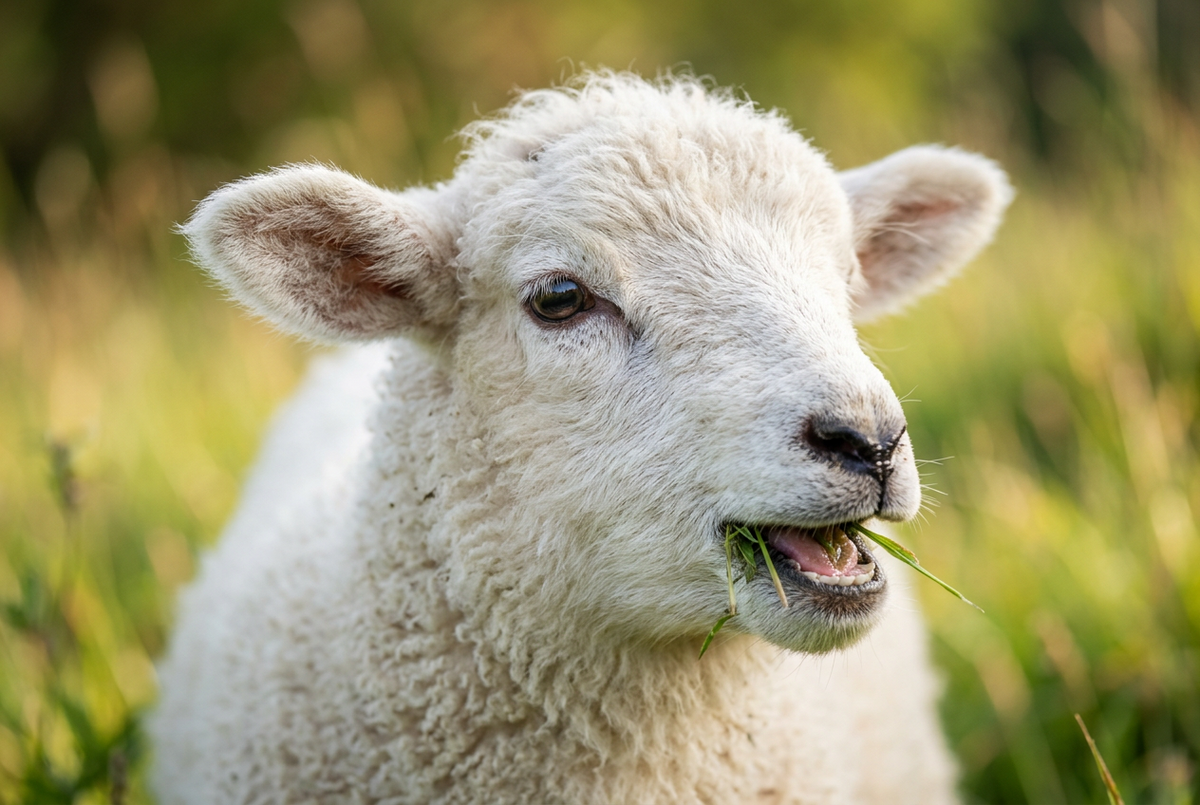
A peaceful garden companion, with real responsibilities
Imagine opening your kitchen window on a spring morning and seeing a small flock of sheep quietly grazing beyond the orchard. Their gentle movement, soft calls and curious faces bring a wonderfully rural feeling to a larger garden. Sheep can be rewarding animals to keep, but they are living, social livestock—not decorative lawnmowers.
Before bringing sheep home, think about the land, fencing, reliable daily care, veterinary support and winter feed. In Hungary, dry summers, muddy winter spells and occasional severe frosts all affect management. The happiest sheep are those whose owners plan for the difficult days as carefully as for the beautiful ones.
In this guide we will explore the garden from a sheep’s point of view: companionship, grass, shelter, safety, plants, health and the changing seasons.
1. How sheep experience their surroundings
Sheep are prey animals with a strong flock instinct. They notice movement, unusual noises and changes around their grazing area. A calm, predictable routine and the presence of familiar flock mates help them feel secure. Sudden chasing, shouting or cornering can create fear, even in otherwise friendly animals.
Sheep spend much of the day grazing, ruminating and resting. They need room to move away from one another, lie down comfortably and reach feed and water without being bullied. Their needs are not met simply by giving them a pretty view.
Watch their behaviour: relaxed grazing, normal rumination and curiosity are reassuring. Persistent isolation, reluctance to stand, repeated calling, lameness or loss of appetite can signal a problem that deserves attention.
2. Never keep a sheep alone
Sheep are highly social. A dog, goat or human cannot reliably replace the companionship of other sheep. Plan for a compatible group rather than one solitary animal; a small flock of at least three is often a practical starting point, subject to land, breed and local requirements.
Introduce newcomers carefully, provide enough feeding space and watch for bullying. Rams, pregnant ewes and animals with horns can require special handling and separate management. If you only have room or resources for one sheep, it is better to choose another kind of garden companion.

3. Is your garden large enough?
There is no single safe number of square metres per sheep. Carrying capacity depends on pasture growth, soil, rainfall, breed, season and whether you supply hay. A small ornamental lawn is not adequate grazing for a flock. In a dry Hungarian summer, grass production can fall sharply and supplementary forage may be necessary.
Consider dividing the grazing area into paddocks so grass can recover. Avoid continuous overgrazing, which encourages bare soil, weeds and parasite problems. Protect wet ground from excessive trampling, and arrange a sacrifice area or hard-standing when necessary.
Before buying animals, speak with a local livestock veterinarian or agricultural adviser about realistic stocking rates for your particular land.
4. Fencing that keeps sheep in—and danger out
Sheep can squeeze through surprising gaps, especially lambs. Strong woven-wire stock fencing, correctly tensioned and securely fixed, is often useful. Gates must close properly; check the bottom edge, corners and places where ground levels change. Horned breeds need fencing that does not trap heads.
Predator risk depends on location. Loose dogs are a serious concern, and in some areas other predators matter too. Electric fencing can be an additional tool when correctly installed and maintained, but it requires training and regular checks. Never rely on a decorative garden fence without testing its suitability.
Keep access routes clear for a veterinarian and for moving animals calmly. Walk the perimeter after storms and whenever a tree falls or a gate is left open.

5. A dry shelter and comfortable place to rest
Sheep tolerate cold better than prolonged wet conditions when they have adequate fleece, nutrition and shelter. Provide a dry, well-ventilated building or field shelter with enough space for every animal to lie down. Ventilation should remove moisture without creating harsh drafts at animal level.
Use clean, dry bedding and manage manure regularly. A sheltered, shaded area is equally important during hot weather. Freshly shorn sheep, newborn lambs and ill animals need additional attention because their temperature tolerance differs.
Keep feed storage dry and protected from rodents. Avoid sharp edges, loose wires and materials that animals can chew or become entangled in.

6. Grass, hay, minerals and clean water
Good-quality forage forms the foundation of most sheep diets. Pasture can provide much of it in the growing season, but hay is essential when grazing is inadequate. Sudden feed changes can cause digestive upset, so introduce new forage or concentrate feeds gradually.
Sheep require a mineral product specifically formulated for sheep. They are particularly sensitive to excessive copper; mineral mixes intended for goats, cattle or horses may be unsafe. Never guess at supplements or feeding amounts—consult a sheep-experienced veterinarian or nutrition adviser.
Provide clean drinking water at all times, including winter when containers can freeze. Water needs rise with heat, lactation and dry feed. Check troughs every day for contamination and access. Moldy hay, spoiled feed and lawn clippings should not be offered.
7. Sheep are grazers, not garden designers
Sheep generally prefer grass and tender herbaceous growth, though they may nibble flowers, shrubs, bark and young trees. A flock cannot distinguish your expensive new perennials from unwanted weeds. If you want a productive vegetable garden and beautiful flower borders, create a separate, secure grazing area.
Protect orchard trunks with sturdy guards placed far enough away to prevent bark damage. Fence off young hedges, raised beds, ornamental ponds and compost areas. Rotational grazing may help manage pasture, but sheep do not replace mowing everywhere: they graze unevenly and avoid some plants.
Their manure contributes nutrients to pasture, yet excessive stocking can cause nutrient buildup and hygiene problems. Compost manure appropriately before using it in food-growing areas.
8. Dangerous plants in a larger garden
The most important rule is to identify every plant sheep can reach, including hedge trimmings thrown over a fence. Yew is extremely poisonous; rhododendron, azalea, oleander, foxglove and certain other ornamentals can also cause serious poisoning. Wilted leaves and cut branches are not automatically safer than living plants.
Acorns can be harmful when eaten in quantity, and other tree or weed risks depend on the species and growing conditions. Do not assume that an animal will avoid toxic vegetation, particularly when grazing is scarce.
Never feed garden prunings unless you are certain they are suitable. If poisoning is suspected, remove access, keep a sample or photograph of the plant and contact a veterinarian immediately.
9. Health care, hooves, parasites and shearing
Arrange a relationship with a veterinarian who treats sheep before you acquire your flock. A flock health plan should cover vaccinations appropriate to the area, parasite monitoring, foot care, nutrition and disease prevention. Parasite treatment should be guided by veterinary advice and testing rather than automatic frequent dosing.
Check sheep regularly for limping, weight loss, diarrhoea, coughing, unusual swelling, flystrike and changes in behaviour. Many wool breeds need shearing, commonly annually, by a competent shearer. Some hair-sheep breeds shed naturally, but this does not remove the need for health checks.
Hooves may require trimming depending on wear and conditions. Wet, muddy ground can increase foot problems. During warm months, inspect for flystrike, especially around dirty fleece; this can become an emergency quickly.

10. What about lambs?
Lambs are delightful to watch, but breeding is not a casual extension of keeping pets. Pregnancy, birth and the first days of life can involve emergencies. Newborns need prompt colostrum, warmth and close observation, and ewes require appropriate nutrition and veterinary oversight.
If you do not intend to breed, discuss a suitable non-breeding flock with experienced local keepers. Avoid keeping an intact ram without understanding handling risks, fencing needs and breeding management. Even apparently gentle rams can become dangerous.
11. Sheep through the Hungarian seasons
SPRING: Check fences, assess pasture recovery and introduce lush grass gradually. Plan parasite monitoring and watch vulnerable lambs closely. Avoid grazing land that is too wet to support hoof traffic.
SUMMER: Heat and drought can be the biggest challenges. Supply plentiful clean water, shade and extra hay if grass growth stops. Check for flystrike and do not force animals to move during the hottest hours.
AUTUMN: Review winter forage supplies, inspect the shelter roof and drainage, and plan for muddy areas. Keep fallen toxic leaves and garden trimmings out of reach.
WINTER: Keep bedding dry, water unfrozen and feed adequate. Check body condition beneath the fleece rather than judging by appearance alone. Recently shorn, very young or unwell animals need extra protection.
12. What does responsible ownership involve in Hungary?
Sheep are regulated livestock, even when kept as much-loved companions on private land. Before purchasing, verify current Hungarian requirements for holding registration, animal identification, movement documentation and any local rules with the relevant authorities and your veterinarian. Do not assume that a large garden automatically permits livestock keeping.
Budget for fencing, shelter, hay, bedding, veterinary visits, shearing, identification and occasional emergencies. You also need reliable holiday cover: sheep require daily observation, water and care whether you are at home or away.
13. Frequently asked questions
CAN SHEEP LIVE WITH GOATS? Sometimes, but their dietary and mineral needs differ, fencing must suit both species, and mixed groups require careful management. Sheep-specific copper requirements make shared mineral feeding a particular concern.
DO SHEEP KEEP THE LAWN SHORT? They can graze suitable grass areas, but they are not precision lawnmowers. They may damage ornamental beds and can overgraze or compact small plots.
DO ALL SHEEP NEED SHEARING? Most traditional wool breeds do; some hair breeds shed. Check the exact breed and individual fleece condition.
ARE SHEEP EASY PETS? They can be rewarding but are not low-maintenance. Flock companionship, pasture, daily care, health checks and legal responsibilities are essential.
CAN THEY EAT GARDEN WEEDS? Only if the plants are correctly identified as safe. Never use sheep as a disposal method for unknown weeds or prunings.
A final thought from Holland Kertészet
A small flock grazing peacefully beyond the garden can bring enormous pleasure. But the real beauty comes from knowing that those animals have what they need: companionship, appropriate food, shelter, room to move and attentive care.
If you are considering sheep, begin not with the prettiest breed but with a practical plan. Walk your boundaries, assess your pasture, talk to local experts and imagine the hottest August day as well as the loveliest April morning. When their needs come first, sheep can become wonderful companions in a thoughtfully managed country garden.
Happy gardening from Holland Kertészet—where beautiful outdoor spaces are created with care for plants, people and animals.
Important: This general guide does not replace individual veterinary advice or current livestock-registration requirements.


