

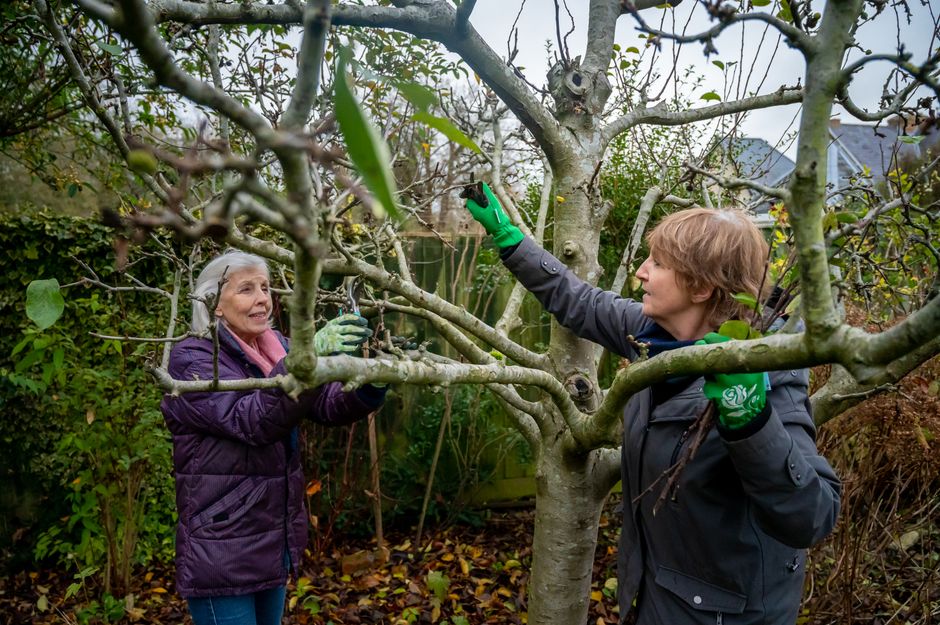
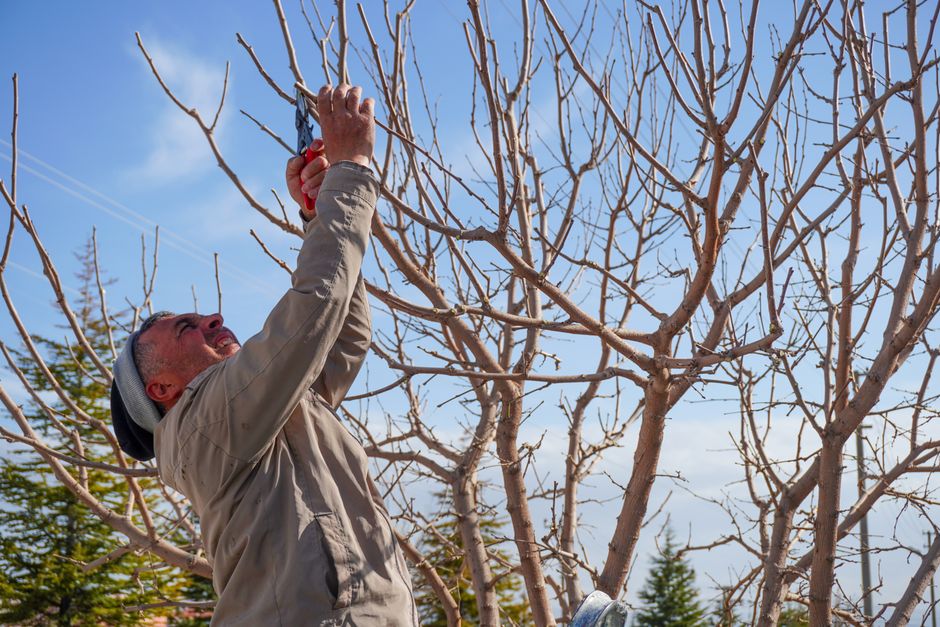
September sits in a curious spot in the gardening calendar. The harvest is winding down, the air is cooling and, for many gardeners across Europe, the urge to tidy everything up before winter is almost irresistible. Pick up the secateurs and start hacking away at every tree in the garden, though, and you could easily do more harm than good.
The key to trimming fruit trees in September is knowing which species welcome a late-summer cut and which need to rest undisturbed until spring. To get this right, you need to understand one simple principle: the type of tree, its disease vulnerabilities, and how quickly its wounds heal as temperatures fall. Get it wrong and you risk opening your trees up to fungal infections, winter dieback, and a dramatically reduced harvest next year.
This guide walks you through exactly what to prune in September, what to leave alone, and how to make every cut count.
Key Takeaways
-
September is a green light for stone fruits still in the ground: Cherry, plum, and apricot trees pruned immediately after harvest can still heal well while September's warmth persists, according to Campagnola's autumn pruning guidance.
-
Pears, quinces, and standard apples wait for winter: According to the Woodland Trust's fruit tree pruning guide, apples, pears, and quinces are best pruned during dormancy, between November and early March.
-
Wound healing slows sharply as autumn progresses: As noted by Orchard People's pruning resource, heavy autumn cuts leave wounds that may not heal before the first frost, making timing critical.
-
Light and targeted cuts only in September: TheWeather.com's September pruning guide confirms that September work should focus on removing damaged, diseased, or crowded branches, never a full structural overhaul.
-
Always prune on dry days with clean tools: Leaf, Root & Fruit's pruning guide emphasises that sterilising tools between trees, particularly when moving from infected to healthy wood, is one of the most important steps in preventing the spread of disease.
Quick-Start Prioritisation Framework
| Tree | September Pruning? | Effort Level | Priority |
|---|---|---|---|
| Cherry (sweet) | Yes, light post-harvest tidy | Low | High |
| Plum / Mirabelle | Yes, remove damaged wood only | Low | High |
| Apricot | Early September only, with caution | Low | Medium |
| Trained / espalier apple | Light summer tidy, wrap up by mid-Sept | Low | Medium |
| Standard apple | No, wait for winter | None now | Low |
| Pear | No, wait for winter | None now | Low |
| Quince | No, wait for winter | None now | Low |
| Peach / Nectarine | No, wait for spring | None now | Low |
| Walnut | No, wait for dormancy | None now | Low |
Start here if you are:
-
A home gardener with stone fruits: Focus on cherry and plum first. These are the trees that genuinely benefit from September attention, and the window is short.
-
Growing trained forms (espaliers, fans): Wrap up any remaining summer pruning on trained apples and pears by mid-September at the very latest, then put the secateurs away.
-
Unsure about a tree: Err on the side of waiting. A delayed prune in late winter causes far less damage than a poorly timed autumn cut.
Fruit Trees You Can Trim in September
Cherry Trees
Between summer and autumn September typically offers a pleasant climate for cuts that heal quickly. It is a great time to work on plants easily affected by gummosis, such as cherry trees.
Stone fruits are pruned in summer rather than winter to avoid fungal and bacterial diseases that can ravage them. For sweet cherries, the ideal window is July through August straight after harvest, but if you missed that, early September is your last realistic chance. September is the last window before cold and wet conditions slow healing.
The reason timing matters so much with cherries comes down to two specific diseases. Silver leaf is a fungal infection that attacks the leaves and wood of cherry trees, entering through scratches or wounds often caused by pruning. Stone fruits are pruned in summer prevalent in autumn and winter and get into the wood through wounds. Trimming cherries in summer or early autumn ensures fewer spores are around and pruning wounds seal quickly.
In practice, if your cherry harvest finished in late August, use September to remove any dead, crossing, or diseased wood. Keep cuts light and always work on dry days.
Pro Tip: Cut at an angle to prevent water accumulation on the wound surface, and seal large cuts with a garden paste or wound dressing. This is especially valuable in September, when nights are already growing damp.
Plum Trees (Including Mirabelle and Greengage)
After bearing fruit in the summer plum trees require light pruning in September to treat broken or diseased branches. This prevents the spread of pests that can affect the wood and future fruit.
Varieties like mirabelle and greengage respond well to pruning before the end of September. Timely pruning prevents fungal infections and encourages fruiting shoots for the next season. These are popular varieties across Hungarian and Central European gardens, and September is genuinely kind to them.
Plums, once established, need pruning in summer in dry weather to remove diseased, dead, or crossing branches. September sits just within that acceptable window for plums, provided the weather cooperates. If rain is forecast for the coming week, postpone the work rather than cutting into damp wood.
Apricot Trees (Early September, With Care)
Apricots are the most nuanced entry on this list. Avoid pruning apricot trees in late autumn, as healing slows significantly during this period. That makes early September, before the cooler, wetter weather sets in, the last sensible opportunity.
Apricots can be pruned into a neat form after the buds have burst in spring, and routinely in summer once the tree is established. If you did your main summer prune in July or August, September requires only the removal of any storm-damaged or diseased wood. Leave structural work for spring.
From a disease-prevention perspective, the best time to prune an apricot or cherry is when it is actively growing in spring or summer. Avoid pruning apricots in autumn or winter. In short: if your apricot still looks healthy and the calendar reads early September, do minimal tidying work. After mid-September, step away.
Trained Apple Trees (Espaliers and Fans)
Standard free-standing apple trees belong firmly on the 'wait for winter' list (see the next section), but trained forms follow a slightly different rule. Trained apple trees, like espaliers and fans, should be pruned in summer. Pruning apple trees in summer allows the fruit to receive more sunlight, resulting in more appealing colouring and slightly improved storability. Summer pruning takes place from July to September.
September marks the tail end of this summer window for trained forms. If you have an espalier or fan-trained apple against a warm wall, use the first two weeks of September to shorten any sideshoots that have become congested. Beyond mid-September, stop.

Fruit Trees That Must Wait for Winter or Spring
Standard Apple Trees
In my experience, this is the source of the most common September mistake. Gardeners see the harvest winding down and assume it is time to crack on with the pruning. For standard apples, that instinct leads to trouble.
Free-standing apple and pear trees should be pruned every winter to keep them productive and control their size. Maintaining an open-centred crown with well-spaced branches helps to ensure trees stay healthy and bear good quality fruit.
For apple trees, winter pruning is best done between November and March, while the tree is dormant and preferably during dry, frost-free weather. Winter pruning encourages strong spring growth, and the lack of leaves means you can better see the structure and shape of your tree.
The single exception is emergency removal, a broken or dangerously diseased limb should come off whenever you notice it, regardless of season. For everything else, put the apple tree on your November task list and leave it alone for now.
Pear Trees
Pear trees are best pruned in winter. Like standard apples, pears produce fruit on spurs that develop on older wood, and winter dormancy is the ideal moment to reshape the structure without disrupting the following season's fruiting. The European pear tree requires winter pruning. Pear trees produce fruit from the end of summer until the beginning of winter. Once the harvest is over, the tree will go to sleep for winter. This requires removing dead branches, but also some healthy ones to help the tree be more balanced and vigorous.
Pro Tip: Prune on a dry, frost-free day when temperatures stay above -5°C. Cutting during hard frost splits wounds and exposes heartwood. Wet weather spreads fungal spores, particularly bacterial canker, which enters through fresh cuts. Keep this in mind for your winter pear pruning sessions too.
Quince Trees
Pruning of apples, pears, and quince is best carried out in winter. Quince fruits are produced on the new season's growth, so winter pruning can be used to promote new shoots and a better fruit crop. Quince is very popular in Hungarian home gardens and widely used for preserves. Hold off entirely in September.
Peach and Nectarine Trees
Peaches and nectarines are among the most disease-sensitive of all European orchard trees. Nectarines need pruning annually between late spring and summer, in dry weather, to avoid the spread of fungal spores. Peaches can be treated the same as nectarines.
If you prune a tree in autumn, the reversed sap flow will draw any pathogens introduced at the cut down into the trunk. This will help diseases spread. Never prune fruit trees during this time. This is sound, practical reasoning. For peaches and nectarines, the risk of disease entry through autumn wounds simply outweighs any benefit.
Walnut Trees
Walnuts bleed heavily from pruning wounds when cut outside of dormancy. In Hungary and across Central Europe, the traditional advice is to prune walnut trees only in late winter, just before bud burst, when sap pressure is at its lowest. Leave all walnut work until late February or early March.
How to Prune Fruit Trees in September: Step-by-Step
Step 1: Gather and Prepare Your Tools
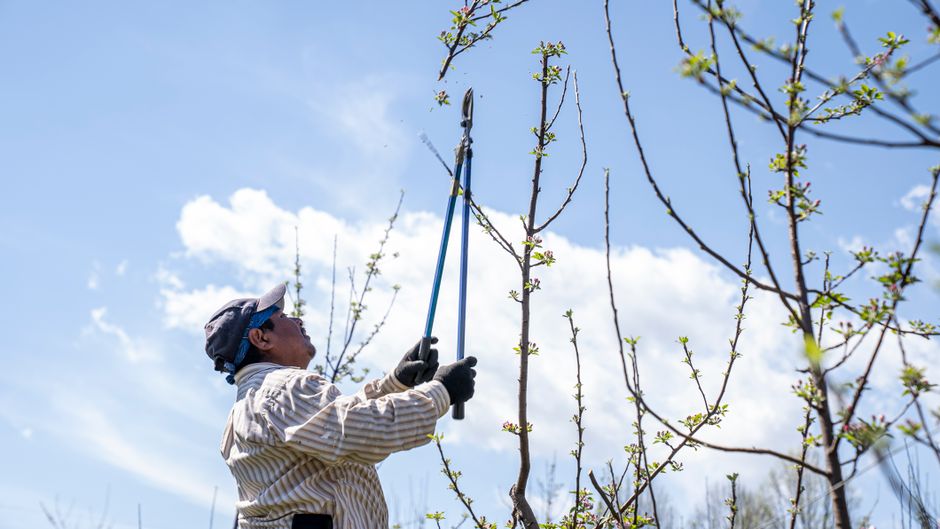
You will need bypass secateurs (not anvil types), long-handled loppers for branches over 2.5 cm, and a pruning saw for anything thicker. Cheap tools blunt quickly and crush stems instead of cutting cleanly. Always use bypass secateurs, not anvil types. Bypass blades make a scissor-action cut. Anvil secateurs crush the stem, leaving ragged wounds that heal slowly and invite disease.
Before you begin, clean your blades. Sterilisation of tools is incredibly important in preventing the introduction of disease. A mixture of 70% methylated spirits and 30% water is an effective sterilising agent. Sterilise between trees, and especially after working on any visibly diseased wood.
Step 2: Start With the Three Ds
Regardless of species, always begin by removing Dead, Diseased, and Damaged wood. Remove dry or damaged branches first, then thin crowded areas to improve light penetration. This alone often makes a significant difference without requiring any structural cuts.
Step 3: Open Up the Canopy
Excess branches can promote moisture and the growth of fungi. Opening the tree's canopy allows sunlight to reach the interior and air to flow, reducing health risks. Remove branches that cross and rub against each other, and any growth heading back towards the centre of the tree. Aim for an open goblet shape that allows light into every part of the crown.
Pro Tip: Make clean, angled cuts, this helps the wound heal more quickly. Do not over-prune; pruning too harshly weakens the tree and can affect production the following year. In September, less is genuinely more.
Step 4: Limit Your Removal
Excessive pruning weakens trees and delays fruiting. A helpful rule of thumb is to remove no more than one third of any tree's canopy in a single session. For September specifically, aim for considerably less than that on most trees. This is a tidying exercise, not a renovation job.
Step 5: Clear Up Thoroughly
Ensure that you remove any fallen leaves, fruit, or pruned branches from around the trees, as these can harbour pests and diseases. Composting healthy pruned material is fine. Diseased wood should be removed from the garden entirely and never added to the compost heap.
Common September Pruning Mistakes to Avoid
Treating All Fruit Trees the Same
I have found that this is the single biggest error home gardeners make. A plum welcomes light September attention; a pear does not. A trained espalier apple follows different rules from a standard tree in the centre of the garden. Always check the species before picking up the secateurs.
Making Heavy Structural Cuts
Heavy cuts in early autumn stimulate new growth that will not harden before winter, making cold damage and dieback common. September pruning should be limited to removing problem wood, never reshaping the tree's entire architecture.
Pruning in Wet or Humid Conditions
Avoid pruning susceptible trees such as apricot or cherry on cold or humid days, and never when there is a strong chance of rain. Fungal spores travel in moisture droplets, and fresh pruning wounds are exactly the entry point they are looking for. Always pick a dry, settled day for September pruning work.
Forgetting to Sterilise Between Trees
Get into the habit of sterilising all your tools between trees, especially if you are using the tools in other gardens. It takes seconds and can prevent you from unknowingly spreading bacterial canker or silver leaf across your entire orchard.
Frequently Asked Questions
Can I prune my apple tree in September?
Standard free-standing apple trees should not be pruned in September. For apple trees, winter pruning is best done between November and March, while the tree is dormant. The one exception is a trained espalier or fan apple, which can receive a light summer tidy in early September to keep its shape. For all other apple forms, wait for the leaves to fall before reaching for the secateurs.
Why is September pruning risky for some fruit trees?
Autumn is when most fruit trees prepare for dormancy and redirect energy down to their roots. Trimming or pruning them during this time stimulates new shoots, which may not have time to harden off before the first frost, putting the entire tree at risk of damage. The specific risk depends on species, with stone fruits that are not pruned straight after harvest being particularly vulnerable to silver leaf and gummosis.
Should I seal pruning cuts made in September?
Opinion is divided on this. Modern horticultural science shows that trees don't just heal after injury; they seal. Plants naturally compartmentalise wounds using their own protective tissues. However, for high-risk cuts made in September on stone fruits, a light application of wound paste provides a practical safety net while temperatures are still mild enough to support healing. On dry days with small cuts, most healthy trees will manage without it.
What tools do I need for September fruit tree pruning?
A pair of sharp bypass secateurs handles most September work, removing sideshoots, smaller crossing branches, and diseased twigs. Loppers are useful for anything between 1.5 cm and 4 cm in diameter. A pruning saw covers anything thicker. Sharpen your secateurs every two to three hours of active pruning. You will also need your sterilising solution (methylated spirits or diluted bleach) in a small spray bottle or jar.
When should I prune peach and nectarine trees in Europe?
Nectarines need pruning annually between late spring and summer, in dry weather, to avoid the spread of fungal spores. Peaches can be treated the same as nectarines. In practice, for most of Central and Eastern Europe, this means June through to early August. September is too late and risks introducing cytospora canker and other diseases through wounds that cannot heal quickly enough before cold weather arrives.
If you are building or restocking your orchard this autumn, the team at Holland Kertészet can help you choose the right fruit tree varieties for your Hungarian garden, along with the tools and plant care products you will need to keep them thriving through every season.
Sources
-
Autumn pruning: from September to November, Campagnola. Guidance on which fruit trees benefit from September cuts. https://www.campagnola.co.uk/news/autumn-pruning-from-september-to-november/
-
When to prune apple and other fruit trees, Woodland Trust. Species-by-species seasonal pruning guidance for European gardens. https://www.woodlandtrust.org.uk/blog/2026/07/when-to-prune-fruit-trees/
-
When to prune fruit trees, Orchard People. Explains the impact of pruning season on wound healing and tree energy. https://orchardpeople.com/when-to-prune-fruit-trees/
-
The Fruit Trees You Should Definitely Prune in September, The Weather. Benefits and method for September pruning by species. https://www.theweather.com/news/plants/the-fruit-trees-you-should-definitely-prune-in-september.html
-
Guide to Pruning Fruit Trees, Leaf, Root & Fruit Gardening Services. Disease-prevention focus including tool sterilisation and autumn risk. https://www.leafrootfruit.com.au/guide-to-pruning-fruit-trees/
-
September Pruning Tips for Healthier Fruit Trees, Pravda.ru. Practical September pruning techniques for stone fruits. https://english.pravda.ru/news/gardening/164290-autumn-fruit-tree-pruning-guide/
-
5 Fruit Trees to Prune in August, Plus Pro Pruning Advice, Homes and Gardens. Stone fruit summer pruning timing and disease prevention. Stone fruits are pruned in summer
-
Apples and pears: winter pruning, RHS. Authoritative guidance on winter pruning for pip fruits. https://www.rhs.org.uk/fruit/apples/winter-pruning
-
Winter pruning fruit trees, People's Trust for Endangered Species. Practical winter pruning guide for apple and pear. https://ptes.org/campaigns/traditional-orchard-project/orchard-practical-guides/pruning/winter-pruning/
-
Winter Prune Apple and Pear Trees: UK Step-by-Step Guide, Greenhouse Stores. Detailed tool and technique guidance for dormant pruning. https://www.greenhousestores.co.uk/blog/How-To-Winter-Prune-Apple-And-Pear-Trees-Complete-Uk-Guide-2025/
-
When to prune fruit trees? Experts reveal the best timings, Homes and Gardens. Expert advice by variety including peach, nectarine, plum, and apricot. https://www.homesandgardens.com/gardens/when-to-prune-fruit-trees
-
How to Prune Apricot Trees: A Season-by-Season Guide, California Trees. Why autumn and winter pruning poses disease risks for apricots. https://californiatrees.org/blogs/pruning-california-fruit-trees/how-to-prune-apricot-trees-in-california
-
When to Prune Cherry Trees, Fruit and Garden. Covers silver leaf risk windows and timing for sweet and sour cherries. https://fruitandgarden.com/when-to-prune-cherry-trees/
-
Pruning Sealants: Should You Seal Tree Cuts?, Nature Hills. Modern scientific view on wound sealants for fruit trees. https://naturehills.com/blogs/garden-blog/understanding-pruning-sealants-to-seal-or-not-seal
-
Fruit Tree Pruning Schedule: Ultimate Calendar 2026, Tree Care Zone. Month-by-month calendar covering the September risk window. https://treecarezone.com/fruit-tree-pruning-schedule/


