

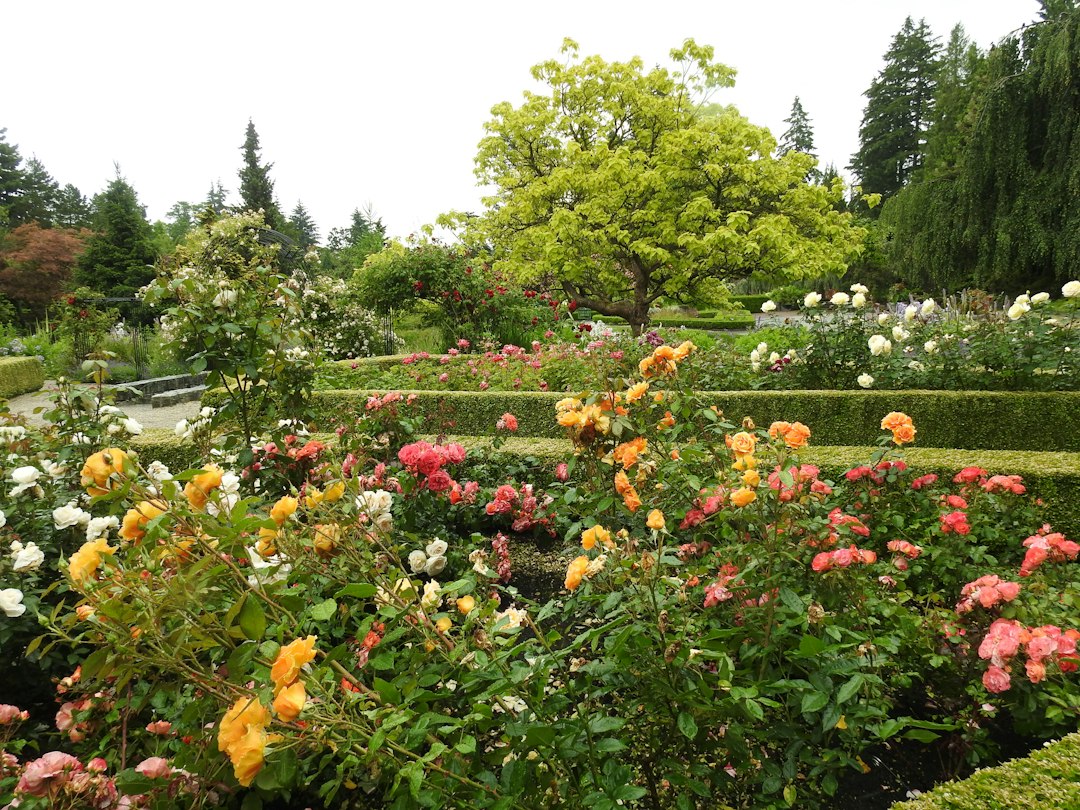
There is a quiet revolution happening in European gardens. According to Eurostat data from 2024, the total area under organic management in the European Union has reached 16.9 million hectares, accounting for approximately 10.7% of the total utilised agricultural area. Gardeners across Hungary and the wider continent are rethinking how they grow their most beloved flower. Organic rose plants, grown without synthetic pesticides or chemical fertilisers, are no longer a fringe hobby. They are a deeply rewarding, environmentally responsible choice that produces healthier blooms, richer soil, and a safer space for children, bees, and wildlife alike. Therefore, if you have been wondering how to start, this guide is for you.
Key Takeaways
-
Start with soil: Organic rose bush care begins with building strong soil health, since nutrient-rich soil is the foundation for thriving plants and the key to providing roses with the minerals they need to bloom. Test your pH before you plant anything else.
-
Choose resistant varieties: In the wake of bee declines being linked to the use of fungicides, more and more gardeners prefer not to use such sprays; roses are now being bred for health and vigour as well as beautiful flowers over a long period. Picking the right variety cuts your workload enormously.
-
Organic rose sales are rising fast: Organic rose sales grew 5.2% in 2024, driven by eco-conscious consumers, which means more certified organic plants are becoming available at nurseries across Europe. Use that momentum to source quality stock.
-
Feed little and often: Growing roses organically can reduce the frequency of fertiliser applications because nutrients release slower but remain in the root zone far longer, and they contribute to overall soil fertility by stimulating microbes that boost rose plant immunity. Aim for a small feeding every four weeks during the growing season.
-
Companion planting is your first line of defence: Companion plants act as natural allies, repelling harmful insects like aphids and beetles or attracting beneficial predators such as ladybugs and lacewings, while aromatic plants like garlic, marigolds, and lavender naturally deter pests, reducing the need for chemical interventions.
Start here if you are:
-
A complete beginner: Soil test and companion planting, the lowest cost, highest reward combination.
-
Converting from chemical care: Switch to a disease-resistant variety first, then rebuild the soil over one season.
-
An experienced gardener going fully organic: Layer the organic fertiliser routine with a regular compost tea programme for maximum plant immunity.
Why Organic Rose Plants Thrive Without Chemicals
The Science Behind Chemical-Free Growing
Natural rose care means growing roses without routine fungicide and insecticide sprays; it relies on healthy, living soil, naturally disease-resistant varieties, proper planting, organic feeding, and beneficial insects, with a short, targeted treatment only when disease gets out of hand. People grew roses this way for thousands of years before modern garden chemicals became widely available in the 1940s.
The reason organic methods work is rooted in soil biology. Research published in scientific literature indicates that applying organic fertilisers can enhance soil organic carbon content, improve soil structure, increase cation exchange capacity, and boost nutrient availability; organic fertilisers can also stimulate soil microbial biomass and induce changes in community structure and abundance. In short, you are not just feeding your rose; you are feeding the whole living ecosystem beneath it.
Why European Gardeners Are Making the Switch
The European Union's Farm to Fork strategy has set an ambitious target. The Farm to Fork strategy set a clear goal of increasing the area under organic farming from the current level of 12% to 25% by 2030, with a relevant effect being a reduction in the use of agricultural inputs such as chemical pesticides. This shift is backed by real policy momentum. In the first six years between 2018 and 2023, there was an overall decrease of 58% in the use and risk of chemical pesticides from the baseline period of 2015-2017 across the EU. Therefore, choosing organic rose plants today puts you firmly on the right side of Europe's environmental direction of travel.
Pro Tip: In my experience, the single biggest mistake new organic growers make is expecting instant results. Give your soil one full season to recover its biology before judging whether organic methods are working. Patience here pays dividends for years.
Choosing the Right Variety for an Organic Garden
Disease-Resistant Roses Suited to European Climates
The variety you choose determines more than 50% of your success with organic rose plants. Prevention is the first and most effective step in organic gardening, and one of the best ways to reduce pest and disease issues is to select rose varieties bred for resistance.
For European gardens, including the Hungarian climate with its hot summers and cold winters, the following categories perform well without chemical intervention:
-
Old gallica and rugosa roses, which are naturally robust
-
David Austin varieties such as 'Lady of Shalott' and 'Boscobel', known for excellent disease resistance
-
Kordes-bred varieties from Germany, celebrated for vigour and health in European conditions
-
Rugosa types such as 'Roseraie de l'Hay', whose foliage remains disease-free even in wet seasons
While old gallica and rugosa roses are largely trouble-free, other types of rose are often troubled with disease; bred to bear large flowers over a long period, many are plagued with problems such as mildew, blackspot, and rust, and traditionally, rose breeders would treat their roses with fungicides to prevent or cure these diseases. The good news is that modern breeding has changed this significantly. Roses from German breeder Kordes are now known for vigorous growth and health, making them an outstanding choice for the organic garden. Retailers such as Holland Kertészet stock a range of varieties well suited to Hungarian and Central European growing conditions, so it is worth checking their current selection before you buy.
What to Look for on the Label
When purchasing organic rose plants, look for nursery descriptions that mention 'ADR certified' (a rigorous German disease-resistance award), 'low-spray', or 'own-root'. Own-root roses tend to regenerate true to type after harsh winters, which matters greatly in colder parts of Hungary and Eastern Europe.

Building Organic Soil for Roses
Soil pH and Structure
Roses thrive in fertile well-drained soil with a slightly acidic to neutral pH, ideally between 6.0 and 7.0; this pH range allows for optimal nutrient uptake, and the ideal soil texture is a loam, which has a balanced mixture of sand, silt, and clay, providing good drainage while retaining enough moisture and nutrients.
Before you plant, get a soil test done. You can find testing kits at most garden centres or through agricultural co-operatives in Hungary. The result tells you exactly what to add and saves money on unnecessary amendments.
The Best Organic Amendments
Composted manure aged for six or more months will slowly release nutrients while not burning roots; a practical approach is to mix around 25% into the top 30 cm of soil, apply worm castings as a 5 cm top-dressing each spring, and layer leaf mold as a 7 cm mulch to prevent drought stress.
-
Compost: improves structure and moisture retention
-
Worm castings: introduces beneficial fungi that fight disease
-
Alfalfa meal: provides slow-release nitrogen and the growth-promoting hormone triacontanol
-
Bone meal: supports strong root development and flower production
Mulching with straw or shredded bark helps regulate soil temperature, conserve moisture, and prevent weed growth around your roses. Apply a layer of 5 to 8 cm around, but never directly touching, the base of each plant.
Pro Tip: I've found that adding a cup of worm castings to the planting hole when you first put in a new rose gives it a remarkable head start. The mycorrhizal fungi in quality castings colonise the roots within a week and begin extending their reach for water and nutrients almost immediately.
Feeding Organic Rose Plants Through the Season
An Organic Feeding Calendar
Feed with an organic granular fertiliser and a seaweed- or fish-based foliar feed, each every four weeks, alternating so the roses receive one feeding every two weeks; spray foliar feed in the morning so the leaves dry quickly and you avoid any fungal complications.
A simple seasonal rhythm to follow:
-
Early spring (as buds swell): Top dress with compost and a handful of alfalfa meal
-
After first bloom (June-July): Apply fish emulsion or liquid seaweed diluted in water, every 4 to 6 weeks
-
Late August onwards: Stop feeding to let new growth harden before autumn frosts
Stopping feeding by late August allows new growth to harden before frost, making the bush more cold-hardy, particularly relevant in the Pannonian Basin climate of Hungary, where sudden autumn frosts can arrive early.
Why Organic Fertilisers Outperform Synthetic Ones Long-Term
Organic fertilisers promote strong, steady, and sustainable growth; roses develop robust root systems, stronger cell walls, and an enhanced natural resistance to pests and diseases, leading to healthier, more resilient plants that require fewer interventions and produce consistently high-quality blooms over many seasons. Compare that with the results of synthetic fertilisers, which can cause rapid, often leggy growth that is more susceptible to pest and disease attacks. The long-term value is clear.
Natural Pest and Disease Control
Companion Planting as Your First Defence
Companion plants act as natural rose companions enhances garden health and beauty, and aromatic plants like lavender and marigolds naturally deter pests, while pollinator-friendly options attract beneficial insects.
The most effective companions for organic rose plants in European gardens include:
-
Lavender: Its aromatic oils naturally repel common garden pests like aphids, mosquitoes, and flies, offering roses a protective barrier without the need for harsh chemicals.
-
Garlic and alliums: If you plant members of the garlic family amongst your roses, the roses are thought to absorb the garlic's exudations and become unattractive to aphids, and it is common practice on commercial farms in Bulgaria to plant roses with a bulb of garlic.
-
Marigolds: These bright blooms release a distinct scent that deters nematodes, aphids, and other harmful insects, helping to protect roses from infestations and reducing the need for chemical treatments.
-
Catmint: Catmint works well against aphids beetles, and mites that commonly affect roses, and is a strong alternative to lavender in areas with higher humidity.
-
Nasturtiums: Act as a trap crop, luring aphids away from the roses themselves.
Treating Disease Organically
Black spot disease, together with powdery mildew and rust, represent frequent problems for rose plants; the organic prevention approach enhances plant defences while decreasing environmental factors that support pathogen growth.
When disease does appear, reach for these tried and tested natural remedies rather than synthetic sprays:
-
Neem oil solution: A diluted neem oil solution labelled for organic gardening can break pest cycles with minimal collateral damage. Apply every 7 to 14 days.
-
Baking soda spray: Mix 1 teaspoon baking soda and half a teaspoon of liquid soap in 1 litre of water and spray on affected leaves weekly.
-
Milk spray for powdery mildew: Mix 1 part milk to 2 parts water and apply in full sun; milk enzymes help reduce fungal spore viability.
Pro Tip: After years of organic gardening, I find that improving airflow is the single most underrated disease-prevention method. Spacing your roses correctly means more room and less disease, and watering early in the day so leaves dry off quickly is equally important for prevention. Both cost nothing.

Common Mistakes When Growing Organic Rose Plants
Rushing the Soil Transition
You should expect your garden to look worse before it looks better while the soil recovers and the roses are weaned off chemicals. This is completely normal. Synthetic fertilisers have often created dependency, and the beneficial microbial populations in the soil take time to re-establish. Stick with the organic programme for at least one full growing season before making any judgements.
Overwatering
Yellowing leaves in roses may be caused by excessive watering or insufficient soil drainage combined with a lack of necessary plant nutrients; apply correct watering methods while monitoring your roses for any deficiencies in iron or magnesium. Water deeply 2 to 3 times per week at the base of the plant rather than overhead, to avoid fungal pressure on leaves.
Planting in Shade
Roses require full sun, with at least 6 hours of direct sunlight daily, and well-draining soil. Placing an organic rose in a shaded spot almost guarantees disease problems regardless of how well you manage everything else. Choose your spot carefully before you plant.
Frequently Asked Questions
What makes a rose plant 'organic'?
Organic rose gardening represents a deliberate choice to cultivate roses through natural methods that preserve environmental health while promoting strong plant growth. In practice, this means the plant has been grown without synthetic pesticides, chemical fertilisers, or genetically modified inputs. When buying from a nursery, look for certified organic labelling or ask specifically how the plants have been raised.
How do I deal with blackspot without chemicals?
Organic fungicides and treatments can help control common rose diseases without harming beneficial organisms or the surrounding environment; neem oil acts as both a fungicide and insect deterrent and should be applied every 7 to 14 days. Alongside this, remove and dispose of any affected leaves promptly, do not compost them, and improve spacing and airflow around the affected plant.
How much does it cost to switch to organic rose growing?
The initial investment is mainly in quality compost, a bag of organic granular fertiliser, and perhaps some companion plants such as lavender or garlic. A basic organic rose care kit for a small Hungarian garden (covering 3 to 5 rose plants) can typically be assembled for between €15 and €40 (approximately 6,000 to 15,000 HUF), depending on what you already have. Long-term, Organic fertilisers promote have a higher initial purchase price per kilogram compared to some synthetic options, but their long-term value lies in building soil health, reducing the need for pesticides and other amendments, and fostering healthier, more resilient plants that are less prone to problems.
Can I grow organic roses in containers?
Yes, absolutely. Roses are versatile and are grown in ground and in pots where feeding is even more important due to the limited root zone. Use a peat-free organic compost with good drainage, choose a compact disease-resistant variety, and feed every two to three weeks during the growing season with liquid seaweed or fish emulsion.
When is the best time to plant organic roses in Hungary?
Bare-root organic roses are best planted in late autumn or early spring, when the plant is dormant. Container-grown plants can go in the ground from spring through to early autumn. For bare-root roses specifically soak the roots in water for 4 to 6 hours before planting to rehydrate them fully before they go into the soil.
Sources
-
Eurostat Organic Farming Data 2024, European Commission / Market Data Forecast. Organic land area and EU organic farming market analysis. Organic land area and EU organic farming market analysis. Europe's organic market reached 58.7 billion euros in 2024, with organic farmland stable at 19.6 million hectares.
-
Natural Rose Care Guide, Thursd. Practical, chemical-free rose growing methods. https://thursd.com/posts/the-complete-guide-to-natural-rose-care
-
Organic Rose Bush Care: 7 Essential Tips, OrganicRoseCare.org. Soil building and organic fertiliser methods. https://www.organicrosecare.org/plants/rose/rose-bush-care/
-
How to Grow Roses Organically, ToGardener. Step-by-step organic rose growing techniques. https://www.togardener.com/how-to-grow-roses-organically/
-
Organic Rose Gardening: A Complete Guide, Roses Victoria. Full guide to chemical-free rose cultivation. Organic rose gardening represents
-
Fertilise Organically for More Floriferous Roses, Black Gold. Organic fertiliser science for roses. https://blackgold.bz/home-gardening-solutions/fertilize-organically-for-more-floriferous-roses/
-
Organic Rose Care: Natural Ways to Control Pests and Diseases, HowToGrowPlant. Disease and pest management without chemicals. https://howtogrowplant.com/organic-rose-care-natural-ways-to-control-pests-and-diseases/
-
EU Pesticide Reduction Trends, European Commission Food Safety. EU trends in pesticide use 2018-2023. https://food.ec.europa.eu/plants/pesticides/sustainable-use-pesticides/pesticide-reduction-targets-progress/eu-trends_en
-
Trouble-Free Roses: Disease-Resistant Varieties, Gardeners' World. Guide to roses bred for health and low maintenance. https://www.gardenersworld.com/how-to/grow-plants/trouble-free-roses/
-
Best Companion Plants for Roses, Gardenia.net. Companion planting guide for pest control and biodiversity. Companion plants act as natural
-
Organic Care of Roses, Ashridge Trees. Practical organic pest control for roses. https://www.ashridgetrees.co.uk/blogs/roses/organic-care-for-roses
-
What Organic Amendments Benefit Rose Soil, GardenAndPlants.com. Soil amendment data and application rates. https://gardenandplants.com/blog/what-organic-amendments-benefit-rose-soil
-
Effects of Organic Fertilisers on Rose Soil, PubMed / NCBI. Peer-reviewed research on organic fertiliser and soil biology. Research published in scientific
-
Organic Rose Benefits and Eco-Friendly Farming, Rosaholics. Sustainability and organic cultivation of roses. https://rosaholics.com/blogs/rosaholics-bloggers/the-role-of-roses-in-environmental-sustainability-eco-friendly-rose-farming-practices


