

The Benefits and Uses of Bone Meal: A Friendly Guide for Every Gardener
If your plants are growing slowly, producing fewer flowers than expected, or showing purple-tinged leaves, a phosphorus deficiency may be the culprit. Gardeners and growers across Europe are moving towards gentler, soil-friendly inputs. Bone meal sits right at the heart of this shift. An organic source of phosphorus and calcium, it is one of the most trusted amendments a home gardener can reach for. This guide explains exactly what bone meal is, why it works, and how to use it correctly so your garden genuinely benefits.
Key Takeaways
-
Bone meal delivers phosphorus and calcium: Most bone meal fertilisers carry an NPK ratio of around 3:15:0, meaning they are low in nitrogen and potassium but high in phosphorus. Therefore, reach for it when root growth and flowering are your priorities, not as a general-purpose feed.
-
It is a slow-release product: Bone meal breaks down over several months, giving your plants continued access to phosphorus throughout the growing season. This means one well-timed application can support your plants from spring right through to early autumn.
-
Soil pH is non-negotiable: Bone meal is only effective in soils with a pH below 7.0; in alkaline conditions the phosphorus binds to calcium and magnesium ions and becomes largely unavailable to plant roots. Always test before you apply.
-
Humuforte Bone Meal carries an NPK of 6-16-0: The Humuforte product is 100% organic, stimulates the growth of roots, flowers and fruits, contains phosphorus, nitrogen and calcium, and lasts approximately 150 days. That longevity makes it excellent value for the average garden.
-
The European organic fertiliser market is growing fast: The European organic fertiliser market recorded sales of 745,833 tonnes in 2024 and is projected to grow at a compound annual growth rate of 10.8% to 2030. Choosing organic inputs like bone meal puts you firmly on the right side of this trend.
Quick-Start Prioritisation Framework
| Situation | Recommended Approach | Effort Level | Time to See Results |
|---|---|---|---|
| Planting autumn bulbs | Mix into planting hole | Low | Spring flowering |
| Starting a vegetable bed | Rake into top 10 cm before sowing | Low | 4-6 weeks |
| Feeding roses or flowering shrubs | Top-dress and water in | Low-Medium | 3-6 weeks |
| Root crops (garlic, carrots, onions) | Work in at bed preparation | Low | Season-long |
| Potted or container plants | Apply at start of season, repeat once | Low | 3-4 weeks |
| Lawn establishment | Broadcast before seeding | Medium | 4-8 weeks |
Start here if you are:
-
A complete beginner: Work Humuforte Bone Meal into your bulb planting holes this autumn; it is the lowest-risk, highest-reward first use of the product.
-
A vegetable grower: Apply to root crop beds in spring. The phosphorus supports strong root systems in garlic, carrots, onions, and potatoes from the very start.
-
A flower enthusiast: Use it when planting roses, peonies, or dahlias. Phosphorus is the nutrient that drives vivid, abundant blooms.
What Exactly Is Bone Meal and How Is It Made?
The Raw Material
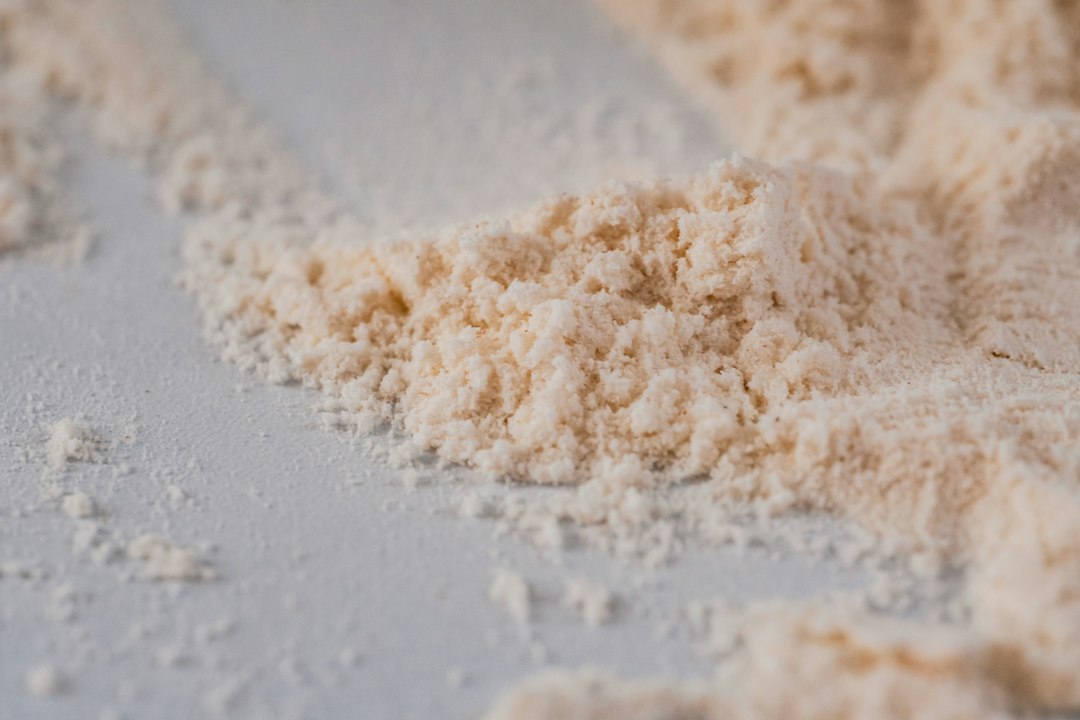
Bone meal is a fertiliser that comes in a meal, powder, or pelleted form and is made from animal bones. The bones are cleaned and then heated or steamed before being ground into a fine powder. It is most commonly made from beef bones, and typically, if you are buying standard bone meal, this will be the main component.
Depending on the processing method, bone meal can come in a few forms, including steamed bone meal, raw bone meal, and bone char, each with its unique nutrient profile. Steamed bone meal is the most widely available form in Europe and is the type you will find stocked at Holland Kertészet.
What Is Inside It?
While the exact ratio of nutrients can vary based on the supplier, bone meal fertiliser is approximately 15% phosphorus, up to 4% nitrogen, and a combination of other crucial compounds like calcium and carbon. The Humuforte Bio Bone Meal carries an NPK of 6-16-0, making it slightly higher in both nitrogen and phosphorus than many standard products. Due to its organic origin, bone meal is also rich in amino acids and proteins, which have a beneficial effect on soil microbial activity.
Pro Tip: In my experience, the steamed version of bone meal is the safest choice for home gardeners. The steaming process removes pathogens, reduces the product's odour (which can otherwise attract pets), and creates a more consistent nutrient profile. Always check the packaging for the BIO certification mark before buying.
The Key Benefits of Bone Meal for Your Garden
Stronger Root Systems
Phosphorus is a key element enabling plants to access the soil nutrients needed for early root formation and development of fruit and seeds. This is perhaps the biggest single reason to use bone meal. When you plant a new tree, shrub, or vegetable transplant, the roots need phosphorus immediately. Mixing bone meal into the soil at the bottom of the planting hole ensures that developing roots have immediate access to phosphorus for healthy establishment.
More Vibrant Flowers and Better Fruit Set
The phosphorus in bone meal encourages blooming and fruiting, making it ideal for flowering plants and fruit trees. Because of the natural nutrients in bone meal, the nutrients focus directly on the plant's flower. When your plants start to grow new flowers, the bone meal naturally releases more nutrients, maintaining the flowering quality of the plants. Therefore, if your roses or dahlias disappointed last season, apply bone meal at planting time this year before reaching for any other remedy.
Calcium for Cell Wall Strength
Bone meal provides calcium for your plants. Calcium improves root growth, encourages strong roots, and helps prevent blossom end rot. Blossom end rot is a common frustration for tomato growers across Hungary and Central Europe, showing up as dark, sunken patches on the base of developing fruits. Bone meal delivers the calcium that helps reduce the risk of blossom end rot, a common disorder in fruiting vegetables linked to localised calcium deficiency and inconsistent moisture.
Slow, Steady Feeding Over Months
Bone meal is a slow-release fertiliser. It releases over the span of several months and can increase soil microbes throughout the growing season, benefitting the soil structure for the root systems of your plants. This is a critical advantage over synthetic fertilisers, which deliver a spike of nutrients and then disappear. The Humuforte Bone Meal is designed to last approximately 150 days, covering the entire growing window from March through to September.
Improved Soil Biology
Bone meal's organic matter naturally encourages the improvement of micro-organisms, which can help improve the soil's fertility and structure. Steamed bone meal can help to improve soil health by increasing the amount of organic matter in the soil, which can help to improve drainage, aeration, and water retention, all of which benefit plant growth. Over several seasons, consistent use of bone meal builds a richer, more active soil rather than simply feeding the plant in the short term.

Which Plants Benefit Most from Bone Meal?
Meal-based fertilisers dominate the European organic fertiliser market, accounting for approximately 62% of the total market value in 2024. These fertilisers, which are byproducts of the meat processing industry, have gained significant traction due to their rich nutrient content, including nitrogen, phosphorus, potassium, and calcium. This reflects how well meal-based products like bone meal perform across a wide range of crops. Here is where it works best:
Flowering Bulbs
To promote healthy root growth in autumn-planted bulbs, a small amount under a teaspoon is added to the hole and mixed with the soil below, where the bulbs will be placed to feed the new roots. Tulips, daffodils, hyacinths, alliums, and crocus all respond strongly. Bulbs also appreciate the extra calcium that bone meal provides.
Roses and Ornamental Flowering Plants
Bone meal fertiliser is an exceptional organic fertiliser for flowering plants like roses and amaryllis. When planting new roses, Holland Kertészet's Humuforte Bone Meal can be worked directly into the planting hole. For new perennials, mix in 2 to 4 tablespoons into the planting hole; for roses or shrubs, use 4 to 6 tablespoons, depending on size.
Root Vegetables
Bone meal is extremely useful for root crops like onions, potatoes, carrots, garlic, and beets. For root vegetables like garlic onions, and carrots, phosphorus supports strong root development. This means larger, denser harvests and plants that are better able to draw water and nutrients from the soil through the season.
Tomatoes and Fruiting Vegetables
Bone meal is an excellent tomato amendment when used in balanced programmes, delivering the phosphorus needed for strong root establishment and the calcium that helps reduce the risk of blossom end rot. For tomatoes, mix 1 to 2 tablespoons into the planting hole at transplant time and apply again when the first flowers appear.
Pro Tip: Leafy greens like lettuce, spinach, and kale are the one category where bone meal is not appropriate. Leafy greens require more nitrogen than phosphorus, so bone meal is not the most appropriate fertiliser for this category of vegetable. Stick to a blood meal or nitrogen-rich compost for your salad crops.
How to Use Bone Meal: A Step-by-Step Approach
Step 1: Test Your Soil First
The most important step before applying bone meal is testing your soil pH. Where the soil pH is above 7.0 bone meal is much less effective. Find out the pH level using a simple test kit, available from garden centres, DIY stores, and online. Soil testing kits are inexpensive and widely available across Hungary and the wider European market. This step is non-negotiable: applying bone meal to alkaline soil is, quite simply, a waste.
Also run a basic nutrient test to confirm that phosphorus is actually deficient before adding bone meal, since excess phosphorus can suppress mycorrhizal fungi activity and interfere with zinc and iron uptake.
Step 2: Prepare Your Soil
Loosen the soil to a depth of around 10 cm and remove any weeds, including their roots. This opens up the soil for better mixing and allows the bone meal to reach down where roots will grow.
Step 3: Apply at the Right Rate
Scatter the bone meal evenly and rake it lightly through the soil to approximately 10 cm depth, using a dose of 30 to 50 grams per square metre. A handful is about 50 grams. For individual bulbs or planting holes, place a tablespoon or two directly into the planting hole, mixed into the soil (avoid direct contact with the bulb).
Step 4: Water Thoroughly
After adding bone meal fertiliser to your garden, water the soil. Proper watering breaks down and activates the fertiliser. Moisture is what triggers the microbial activity that releases nutrients from the bone meal into a form plants can absorb.
Pro Tip: Apply Humuforte Bone Meal between March and September for best results. Applying in cold soil below around 10°C slows microbial activity significantly, which means the phosphorus releases much more slowly and may not reach your plants when they need it most.

Common Mistakes to Avoid
Skipping the Soil Test
Most home gardens already test high or excessive in phosphorus. Years of compost, manure, and fertiliser have stockpiled it in the top few centimetres of soil. Adding bone meal to those beds wastes money and can actively harm plants. Therefore, never assume your soil needs bone meal simply because a plant looks unhealthy. Test first, then act.
Using It on the Wrong Plants
Another common error is using bone meal on the wrong crops. Leafy greens like lettuce, spinach, or kale do not need extra phosphorus; they crave nitrogen instead. Adding bone meal to these crops does nothing for yield and only clutters the soil.
Over-Applying
Overuse of bone meal can lead to phosphorus build-up, which may cause nutrient imbalances, particularly zinc and iron deficiencies, visible as yellowing between leaf veins. Too much phosphorus in the soil can disrupt the balance between soil-borne fungi and your plant roots. Rainstorms can also wash any excess bone meal into nearby water systems, where it can trigger algae blooms and harm the ecosystem. Therefore, follow the recommended rate on the label and let soil tests guide any decision to re-apply.
Storing It Carelessly
Because it is made from animal bones, bone meal can attract pets or wildlife. Mix it into the soil thoroughly and store leftovers in airtight containers. Keep it in a dry, secure location, moisture will cause clumping and degrade the product's effectiveness.
Recognising Phosphorus Deficiency in Your Garden
Knowing when your plants actually need bone meal is just as important as knowing how to apply it. Plants generally turn dark green (both leaves and stems) and appear stunted. Older leaves are affected first and may acquire a purplish discolouration. In some cases, leaf tips will brown and die.
A phosphorus-deficient plant will demonstrate stunted growth and discolouration because phosphorus is required to produce adenosine triphosphate (ATP), the energy currency that fuels all essential functions such as photosynthesis and nutrient uptake. When there is not enough phosphorus available, your plant cannot transfer energy effectively, leading to problems with root development right through to fruit production.
If you notice these signs, test your soil before reaching for bone meal. The symptoms of phosphorus deficiency can overlap with other problems such as waterlogging or pest damage, so confirming the diagnosis with a soil test saves both time and money.
Frequently Asked Questions
How long does Humuforte Bone Meal last in the soil?
The Humuforte Bone Meal is designed to last approximately 150 days. This covers the full growing season from early spring to the end of summer, meaning a single well-timed application in March will feed your plants right through to September without needing to be topped up. In very sandy soils, nutrients may leach slightly faster, so a mid-season check is worthwhile.
Is bone meal safe to use around children and pets?
Commercially available bone meal that has been steamed and sterilised is generally safe. All commercially available bone meal fertiliser undergoes rigorous testing to ensure it is disease-free before landing on garden store shelves. However, the scent can attract dogs and other animals. Mix it into the soil thoroughly after application and store the bag securely. Keep pets away from freshly treated beds until the product is fully watered in.
What is the recommended dose for Humuforte Bone Meal per square metre?
Scatter the bone meal evenly and rake it lightly through the soil to approximately 10 cm, using a dose of 30 to 50 grams per square metre. The 1.5 kg bag covers approximately 30 square metres at the standard rate, making it well suited to a medium-sized vegetable bed or a row of flowering shrubs.
Can I combine bone meal with other organic fertilisers?
Bone meal can balance other soil amendments. Consider mixing it with other additives that have more nitrogen, such as manure. Humuforte's blood meal, which carries an NPK of 13-0-0, pairs well with bone meal: blood meal handles nitrogen needs while bone meal provides phosphorus and calcium. Together they create a more balanced organic feeding programme than either product alone. Both are available through Holland Kertészet.
Does bone meal work in alkaline Hungarian soils?
This is an important question for Hungarian gardeners, as soil pH varies considerably across the country. In acidic to neutral soils with a pH between 5.5 and 7.0, the soil chemistry gradually dissolves the calcium phosphate in bone meal, making phosphorus available to plant roots. In alkaline soils above pH 7.0 the calcium phosphate reacts with excess calcium already in the soil and forms insoluble compounds that plants cannot access. If your soil tests alkaline, lower the pH with elemental sulphur first, then retest before applying bone meal.
Sources
-
Bone Meal Fertilizer: Benefits, Uses, and How to Apply It, The Old Farmer's Almanac. https://www.almanac.com/bone-meal-fertilizer-benefits-uses-and-how-apply-it-your-garden
-
How to Use Bone Meal Fertilizer, MasterClass. https://www.masterclass.com/articles/bone-meal-fertilizer-guide
-
Using Bone Meal as Fertilizer: The Pros and Cons, Epic Gardening. https://www.epicgardening.com/bone-meal/
-
Bone Meal for Plants: Benefits, Risks and Application, Grow Organic. https://www.groworganic.com/blogs/articles/how-to-use-fertilizers-bone-meal
-
How to Use Bone Meal Fertiliser for Plants, Love the Garden. https://www.lovethegarden.com/uk-en/article/how-use-bone-meal-fertiliser-plants
-
How to Use Bone Meal Fertilizer in Your Garden, Trees.com. https://www.trees.com/gardening-and-landscaping/bone-meal
-
Bio Bonemeal (P) Fertilizer 1.5kg HumuForte, Tuinzaden.eu. Due to its organic origin, bone
-
Bone Meal 1.5kg, Holland Kertészet, hollandkerteszet.hu. https://www.hollandkerteszet.hu/en/products/bone-meal-1-5kg
-
Europe Organic Fertilizers Market Size and Forecast, Research and Markets. https://www.researchandmarkets.com/reports/6091406/europe-organic-fertilizers-market-size-forecast
-
Europe Organic Fertilizer Market Size and Share Analysis, Mordor Intelligence. https://www.mordorintelligence.com/industry-reports/europe-organic-fertilizer-market
-
Europe Organic Fertilizers Market, Sustainable Growth, Mark and Spark Solutions. https://marksparksolutions.com/blog/europe-organic-fertilizers-market-driving-sustainable-agriculture-growth
-
How to Use Bone Meal Fertilizer: A Complete Guide, HydroBuilder. https://learn.hydrobuilder.com/how-to-use-bone-meal/
-
Phosphorus Deficiency in Plants, Haifa Group. https://www.haifa-group.com/articles/how-resolve-deficiency-phosphorus-plants
-
Bone Meal for Plants: How It Works, When to Use It, and What to Avoid, Provision Gardens. https://provisiongardens.com/blogs/grower-guides/bone-meal-for-plants-how-it-works-when-to-use-it-and-what-to-avoid
-
Bone Meal vs. Blood Meal: When and How to Use Them, PRO-MIX Gardening. https://www.promixgardening.com/en-us/tips/bonemeal-vs-bloodmeal-when-to-use
-
How to Use Bone Meal Fertilizer: A Step-by-Step Guide, Garden Unlocked. https://gardenunlocked.com/articles/bone-meal-fertilizer/
-
The Bone Business: From Burial Grounds to Growing Grounds, Daley Organics. https://daleyorganics.com/blog/bone-meal-the-bone-business/
-
Bone Meal for Garden, ProGardenReview. Leafy greens require more nitrogen than phosphorus


