

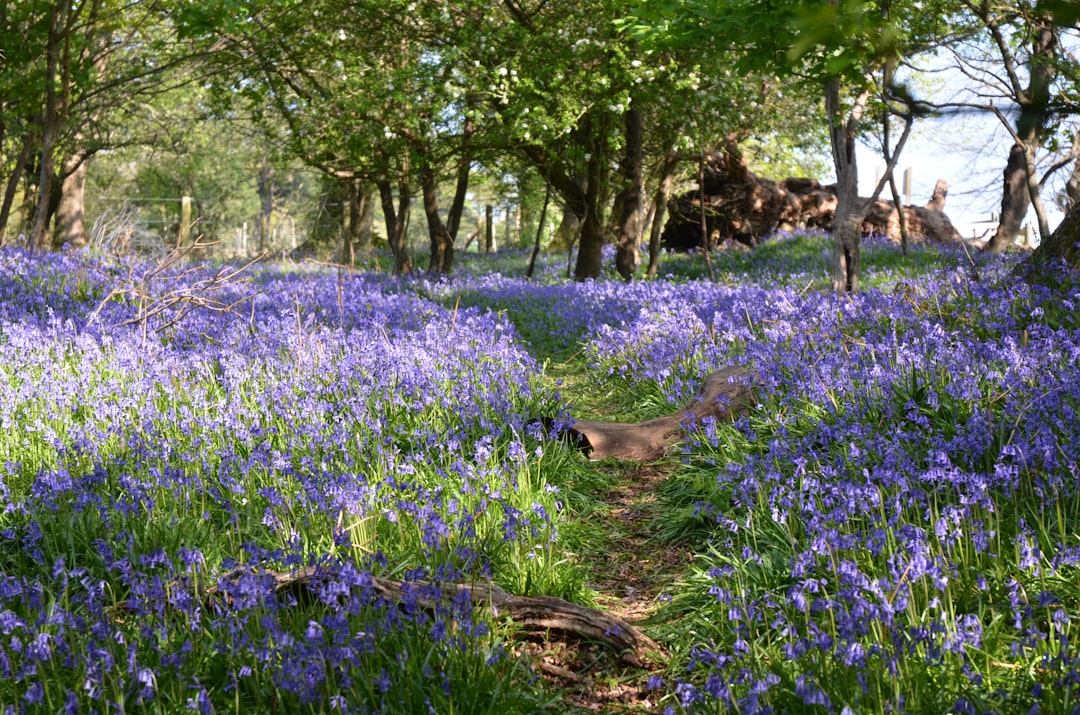
Few spring bulbs deliver a drift of colour quite as effortlessly as Spanish bluebells (Hyacinthoides hispanica). A vigorous, bulbous perennial, the Spanish bluebell bears sturdy stems topped with clusters of bell-shaped flowers in spring above large clumps of strap-shaped leaves. The flowers are usually pale-blue in colour, occasionally pink or white, and carry no fragrance. Whether you want to fill a shaded border, naturalise beneath trees, or fill containers with spring colour, this is a bulb that rewards even the most novice gardener. The Spanish bluebell originates from Spain, Portugal and North Africa and was introduced to the UK as a garden plant in the 17th century. Understanding how to sow, grow, harvest and protect it responsibly is the key to enjoying it without causing wider ecological problems.

Key Takeaways
-
Plant bulbs in autumn: Plant Spanish bluebell bulbs in the fall; they bloom in spring. Aim to get bulbs into the ground from September to October, before the first hard frosts.
-
Drainage is essential: Flower bulbs hate getting their feet wet; a bulb sitting in water will rot quickly, so avoid any spot where puddles are still visible 5-6 hours after a rainstorm. Amend soggy soil before planting.
-
Never cut foliage early: After flowering, allow the foliage to remain until it turns yellow and dies back naturally, as this process helps the bulb store energy for next year's blooms. Cutting it prematurely weakens the plant significantly.
-
Always wear gloves: All parts of the plant are toxic and the sap can cause skin irritation, so it is advisable to wear gloves when handling bluebells. This applies whether you are planting, dividing, or removing them.
-
Manage spread responsibly: The Spanish bluebell poses a significant threat to native English bluebells, as it both out-competes and hybridises with the native species. Deadhead flowers every year to limit seeding and never plant near wild bluebell colonies.
Quick-Start Prioritisation Framework
| Approach | Best For | Effort Level | Time to First Bloom |
|---|---|---|---|
| Plant bulbs in autumn | All gardeners, fastest results | Low | Following spring |
| Sow seeds in cold frame | Patient growers wanting larger drifts | Medium | 2-5 years |
| Divide existing clumps | Gardeners with established plants | Medium | Next spring |
| Container growing | Small gardens, patios, balconies | Low-Medium | Following spring |
Start here if you are:
-
A complete beginner: Buy bulbs from a reputable supplier such as Holland Kertészet and plant them in October at 8-10 cm deep. This is by far the fastest route to a colourful spring display.
-
An established gardener: Divide existing overcrowded clumps in late summer and replant at wider spacings. You will get a good display the very next season.
-
Focused on ecology: Grow in containers or in a clearly defined bed far from any woodland, deadheading every year without exception.
Step 1: Sowing Spanish Bluebells from Seed
Growing Spanish bluebells from seed is the most economical approach if you want large drifts, though it demands patience.
When and How to Sow
Sow seeds at any time, covering them very thinly with compost or grit and keeping the seed pot in a cool, well-lit spot outdoors. Artificial heat is not needed and can actually prevent germination, so patience is essential as many seeds will only germinate in the spring after chilling in moist conditions. For indoor sowing, cold-stratify seeds manually by refrigerating them for four to six weeks. Bluebell seeds can take several months to germinate and need a period of cold weather to get them going. Therefore, if you start seeds indoors in September, expect to see the first signs of life the following spring at the earliest.
Seed-Grown Plants vs. Bulbs
Seeds take several months to germinate and typically flower only after two to five years. You can use either bulbs or seeds whichever is available, though you will save more time planting bulbs because they require a shorter period to reach the flowering stage. In my experience, seeds suit those who want to naturalise large areas gradually, while bulbs are the practical choice for anyone wanting colour within a single season.
Pro Tip: Sow ripe seeds directly into individual pots in a cold frame, as advised by the RHS, to keep temperatures naturally cool without any additional management. Cover pots with a sheet of glass to retain moisture during the chilling period.
Step 2: Planting and Growing Spanish Bluebells
Choosing the Right Site
Spanish bluebells bloom in full sun to dappled shade and thrive in garden beds, rock gardens, or patio containers. They need sunlight to grow, but do best when not in full sunlight all day, a place that gets partial sun to partial shade is ideal for them. For the best results, use well-drained, fertile soil, aiming for a pH level between 6.0 and 7.0, which is slightly acidic to neutral, to promote healthy root development. Avoid unamended clay soils, as noted by NC State University's plant database, since poor drainage is the single most common cause of bulb failure.
Planting Depth and Spacing
Plant bulbs in September and October, 8 cm deep and in small, natural-looking clumps, allowing 5 cm between bulbs within each clump. For container planting, Easy to Grow Bulbs recommends placing bulbs 5-10 cm apart in good quality, well-draining potting soil, always with the pointed end facing upwards. Like all flower bulbs, Spanish bluebells need a cold period to develop their roots and get ready for spring. This makes autumn planting non-negotiable in temperate climates.
Watering and Feeding
Water as needed during active growth periods, with about one inch of moisture per week as a rough estimate. During summer dormancy, reduce watering significantly once foliage disappears, as bulbs rest during this time and overly wet soil can cause rot or stress. For feeding, Plantura's bluebell care guide suggests spreading a little compost on the soil in spring to add nutrients, which is all the fertilisation these plants typically need.

Step 3: Harvesting, Bulbs, Seeds, and Division
'Harvesting' Spanish bluebells means collecting bulbs or seeds for propagation, or dividing overcrowded clumps to keep the planting healthy and productive.
Harvesting and Saving Seeds
Collecting seeds from your Spanish bluebell is a rewarding process. After flowering, allow the seed pods to mature fully before harvesting. The pods turn a papery brown when ripe, usually by mid-summer. Snip them cleanly, allow them to dry indoors, and store in a sealed, labelled envelope in the fridge until you are ready to sow. Bear in mind that seeds from garden plants may produce hybrids if any English bluebells grow nearby, so BBC Gardeners' World Magazine recommends purchasing seed from a reputable supplier if you want predictable results.
Dividing Established Clumps
After flowering has finished remove the faded flowerheads, then allow the leaves to die back completely before removing them by gently pulling up. Dig up the bulbs while they are dormant in late summer, then divide into smaller clumps and replant. When dividing clumps, which should be done every five to seven years, lift bulbs in late summer after full leaf dieback. Wash the soil off gently and separate the bulblets by hand.
After Flowering: Foliage Care
Leave the foliage in place after blooming has finished for the season. The leaves gather sunlight to create food through photosynthesis, strengthening the bulb for the future. Remove the dry foliage when the leaves turn yellow and die back as the plants slip into dormancy around early to mid-summer. I have seen gardeners make the mistake of tidying away foliage the moment the flowers fade, which consistently produces weaker displays the following season.
Step 4: Protecting Spanish Bluebells from Problems
Pests and Diseases
Spanish bluebells are not subject to any serious pests or diseases, though clumps of foliage are popular with snails, which may not be desirable if you are growing susceptible plants nearby. If rust disease does appear, identifiable by the yellowed areas and dark brown pustules on leaves described by the University of Reading, this can lead to a reduction in flowering and a general decline in vigour over time. The fungus thrives in damp, humid conditions with poor air circulation, which is why overcrowding can exacerbate the problem. The solution is to thin crowded clumps, improve drainage, and remove affected foliage promptly.
Toxicity and Personal Safety
All parts of the Spanish bluebell are toxic, including the leaves, flowers, and bulbs, each posing a risk if ingested or handled improperly. Among these, the bulbs are the most concentrated source of toxic compounds. Spanish bluebell contains glycosides, which are the primary toxic compounds responsible for poisoning. These substances can disrupt normal cellular functions, and when ingested, can interfere with heart and nervous system functions. Always wear gloves when handling any part of the plant, wash your hands thoroughly after gardening, and keep curious pets and young children away from planted areas. Indiana University Hilltop Gardens confirms that bluebells are toxic to humans, dogs, cats, horses and cattle alike.
Controlling Invasive Spread
Plant expert Chris Bonnett of Gardening Express has emphasised that "Spanish bluebells can spread more easily than our native species." The biggest risk originates from gardens, where they may be planted for their aesthetic appeal but can spread beyond boundaries through seeds, bulbs, and garden waste if left unchecked.
Here are four practical steps to keep Spanish bluebells contained:
-
Deadhead spent flowers immediately, before seed pods develop
-
Dispose of floral material in council green waste, never home compost
-
Check the boundary of your planting annually and dig out stray bulbs
-
Never plant within half a kilometre of known wild English bluebell colonies
Listed as a Schedule 9 species in some contexts under the Wildlife and Countryside Act 1981, it is an offence to plant or allow Spanish bluebells to spread into the wild. Crucially, bulbs can survive garden composting, so any removed plant material must go into sealed bags for the council collection rather than onto your compost heap.
The Ecological Picture: Why Responsible Growing Matters
The UK is home to about half of the world's bluebell population. That makes the native English bluebell (Hyacinthoides non-scripta) a species of genuine global significance, and responsible management of the Spanish bluebell a civic as well as horticultural matter.
Spanish bluebells grow at a faster rate, produce a greater number of seeds, and easily hybridise with native bluebells, creating crossbreeds that dilute the genetic integrity of native populations. Many of the bluebells found in gardens and urban areas today are in fact an aggressive hybrid (Hyacinthoides x massartiana), the product of cross-breeding between the native bluebell and the Spanish variety. This hybrid was first recorded in the wild in 1963 and is highly fertile, having spread rapidly in urban areas.
While Spanish and hybrid bluebells are not on the Government's list of invasive plants for England and Wales, the charity Plantlife recommends that you do not grow them if you live near a native bluebell colony, such as a woodland. Choosing to grow Spanish bluebells in a walled urban garden or a controlled container is far more responsible than allowing them to naturalise near woodland edges.
Common Mistakes to Avoid
In my experience advising home gardeners, a handful of errors come up repeatedly:
-
Planting in waterlogged ground, the single most reliable way to rot an otherwise resilient bulb
-
Cutting foliage before it has yellowed, this starves next year's flower buds of stored energy
-
Composting removed bulbs or flower heads, both bulbs and seeds survive composting and will germinate elsewhere
-
Planting near woodland edges without checking whether native bluebells are present
-
Handling bulbs without gloves, the sap causes skin irritation and the glycosides are genuinely hazardous
Frequently Asked Questions
When is the best time to plant Spanish bluebell bulbs?
As with many spring-blooming bulbs, Spanish bluebells should be planted around early to mid-autumn, after the soil has cooled down a bit. September and October are the ideal months. Roots will form shortly after in the autumn, with leaves and flowers developing the following spring. Do not leave bulbs unplanted beyond November if you can help it, as they need sufficient time to establish roots before the hardest winter frosts.
Can Spanish bluebells be grown in containers?
Yes, and this is one of the most ecologically responsible ways to enjoy them. Spanish bluebells are super easy to grow in both containers and outdoor gardens, needing little more than well-drained soil. Use a tall pot with drainage holes, plant bulbs 4 inches deep, and water moderately throughout the growing season. Container growing also makes it far easier to manage spreading, since you control the root zone completely.
How do I stop Spanish bluebells from taking over my garden?
Remove flower stalks immediately after the last bloom fades. Use sharp, clean pruners and snap stems cleanly at the base. Bag and dispose of all floral material in municipal green waste rather than home compost, as the heat thresholds needed to kill seeds exceed typical backyard compost pile temperatures. Annual deadheading is the single most effective management tool available to the home gardener.
Are Spanish bluebells safe around children and pets?
All parts of the plants are poisonous, and Spanish bluebells can be harmful if ingested. While their toxicity means they are unlikely to be nibbled by deer, it also makes them risky to have around if you have curious pets or young children. If you have a garden frequently used by small children or dogs, either grow Spanish bluebells in inaccessible raised beds or containers, or choose a non-toxic alternative.
How do I tell a Spanish bluebell apart from an English bluebell?
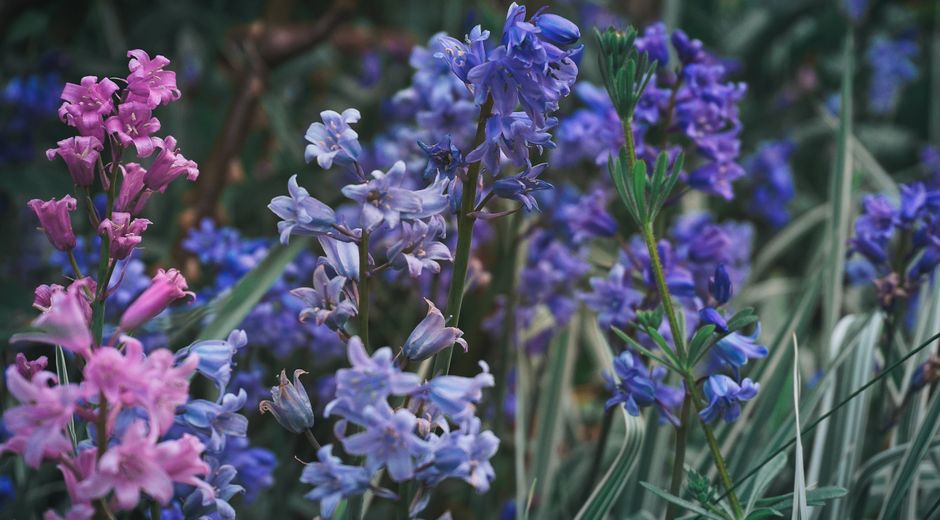
Spanish bluebells have larger more open flowers than English bluebells and are unscented, while English bluebells have a sweet fragrance. Spanish bluebells also have upright flower stems, while English bluebells have arching flower stems. Spanish bluebells have larger leaves than English bluebells. If you are unsure, the scent test is the quickest: push your nose close to the flowers on a dry day and you will know immediately which species you are dealing with.
Final Thoughts
Spanish bluebells are genuinely beautiful, low-maintenance plants that can transform a dull spring border into a carpet of colour. The key is treating them with respect: plant at the right depth in autumn, leave the foliage to feed the bulb, divide clumps every few years, and deadhead religiously to limit spread. If you are sourcing bulbs, Holland Kertészet offers quality spring bulbs well-suited to European growing conditions. Handle the plant with gloves at all times, dispose of waste responsibly, and enjoy the display knowing you are growing it in a way that protects the wider landscape.
Sources
-
Spanish Bluebells Planting & Growing Guide, Easy To Grow Bulbs. Planting depth, spacing, watering, and foliage care. https://www.easytogrowbulbs.com/pages/spanish-bluebells-hyacinthoides-planting-guide
-
Complete Guide to Spanish Bluebells, BBC Gardeners' World Magazine. Growing, controlling, and ecological impact. https://www.gardenersworld.com/how-to/grow-plants/spanish-bluebells/
-
How to Grow Bluebells, BBC Gardeners' World Magazine. Seeding, toxicity, and hybrid identification. https://www.gardenersworld.com/how-to/grow-plants/how-to-grow-bluebells/
-
Bluebells in Gardens, RHS Advice, Royal Horticultural Society. Control methods and species identification. https://www.rhs.org.uk/weeds/bluebells-as-weeds
-
Hyacinthoides hispanica Plant Detail, NC State University Extension. Toxicity, soil requirements, and hardiness. https://plants.ces.ncsu.edu/plants/hyacinthoides-hispanica
-
Bluebell, Plantlife. UK bluebell population statistics and conservation guidance. https://www.plantlife.org.uk/plants-and-fungi/bluebell/
-
Invasive Bluebells Threaten UK Native Blooms, BritBrief. Expert warnings on spread and legal status. https://britbrief.co.uk/environment/agriculture/invasive-bluebells-threaten-uks-native-blooms-experts-warn.html
-
Spanish Bluebell Removal and Control, Invasive Weed Solutions UK. Legal status, controlled waste disposal, and Schedule 9 classification. https://invasiveweedsolutions.co.uk/invasive-weeds/non-native/spanish-bluebell/
-
Rusty Bluebells, University of Reading Whiteknights Biodiversity Blog. Bluebell rust fungus (Uromyces muscari) biology. https://blogs.reading.ac.uk/whiteknightsbiodiversity/2014/05/10/rusty-bluebells/
-
Spanish Bluebell: Toxic to Humans, Indiana University Hilltop Gardens. Toxicity to humans and animals. https://hilltop.indiana.edu/news-events/\\\_news/news-2023-01.html
-
How to Grow Spanish Bluebells, DutchGrown. Cold period requirements, drainage, and light conditions. https://www.dutchgrown.com/blogs/the-dutchgrown-blog/how-to-grow-spanish-bluebells
-
Spanish Bluebell Overview, Plantura Garden. Compost feeding, soil moisture, and foliage care guidance. https://plantura.garden/uk/flowers-perennials/spanish-bluebells/spanish-bluebell-overview
-
Survival Battle of Britain's Native Bluebells, BBC News. Hybrid (Hyacinthoides x massartiana) spread in the wild. https://feeds.bbci.co.uk/news/magazine-17597489
-
Spanish Bluebell: Growing, Identifying & Controlling, Lifetips by Alibaba. Deadheading, division frequency, and seed viability data. https://lifetips.alibaba.com/plant-care/spanish-bluebell
-
Hyacinthoides Hispanica Full Growing Guide, Dutch Bulbs Blog. Summer dormancy, mulching, and seasonal care calendar. https://blog.dutch-bulbs.com/full-growing-guide-for-bluebell-planting-care-and-seasonal-tips/


