

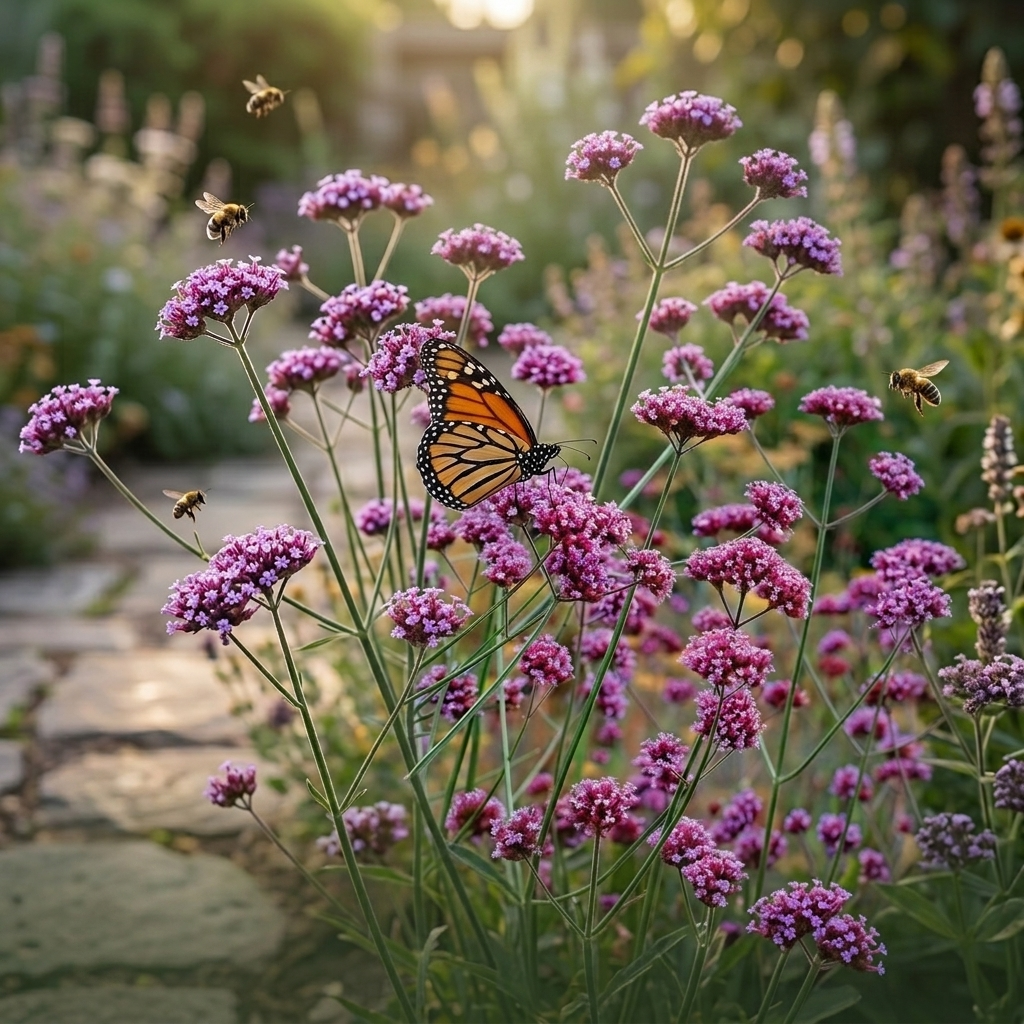
September in Hungary is a month of pleasant contradictions. The late-summer warmth lingers, the soil is still workable, and yet the garden is quietly shifting gear. According to Eurostat, the EU's grassland butterfly index shows that butterfly populations across Europe have fallen by 36.5 per cent compared to the year 2000. That figure is a clear call to action: every Hungarian garden that offers a few well-chosen butterfly garden plants in September makes a genuine difference. The good news is that September is one of the most rewarding months to be outside, there is enough warmth to plant comfortably, enough daylight to work without a torch, and enough colour left in the borders to enjoy every moment.
This guide walks through 10 of the most important things to do in your garden in September, with a particular focus on butterfly friendly plants, late-season nectar, and the soil-level preparations that set the whole garden up for next spring. Whether your plot is a city balcony or a quarter-hectare in the Hungarian countryside, there is something here for you.

Key Takeaways
-
September nectar is critical for overwintering butterflies: In autumn, nectar helps butterflies and moths build up their energy reserves so they have the best chance of surviving hibernation or the journey back to warmer climes. Plant now, and they will thank you.
-
Common species are declining too: Common species widespread in gardens, parks, and meadows declined by an average of 30 per cent between 1992 and 2007. Therefore, every pesticide-free Hungarian garden counts as a refuge.
-
Verbal plants pack maximum impact in small spaces: A butterfly garden does not need to be large to make a difference; with the right combination of nectar-rich flowers, pollinator-friendly plants, and long-flowering perennials, you can create a vibrant outdoor space filled with colour, movement, and wildlife.
-
September is the right moment to plant spring bulbs: Autumn is the time for planting crocus, daffodils, tulips, hyacinths, alliums and other spring-blooming flowers, as planting them in autumn gives them time to establish roots before they go dormant for the winter.
-
Pesticides cancel out all your planting efforts: Do not use insecticides and pesticides; they kill butterflies and many pollinating insects as well as ladybirds, ground beetles, and spiders.
Quick-Start Prioritisation Framework
Use this table to decide where to start based on your garden's size and situation.
| Task | Best For | Effort Level | Time to Results |
|---|---|---|---|
| Plant asters and sedum | All gardens | Low | Weeks |
| Add Verbena bonariensis | Small or container gardens | Low | Days (flowers now) |
| Remove pesticides from your routine | All gardens | Very low | Immediate |
| Plant spring bulbs | Beds and borders | Low | Next spring |
| Divide perennials | Established gardens | Medium | Next season |
| Harvest and store produce | Vegetable gardens | Medium | Days |
| Lawn renovation | Lawns of any size | Medium | Weeks |
| Set up a butterfly water station | Any garden | Very low | Immediate |
| Prepare compost | All gardens | Low | Months |
| Take cuttings of tender plants | Container gardeners | Low | Next spring |
Start here if you're:
-
A beginner: Plant asters and add a dish of water with pebbles, the lowest-effort, highest-impact combination for butterfly-friendly gardening.
-
Short on space: Verbena bonariensis in a pot, sedum at the border edge, and a total pesticide ban, three moves that turn even a balcony into a nectar hub.
-
Focused on next year: Get your spring bulbs in the ground now and divide your best perennials so they come back stronger.
The 10 Most Important September Garden Tasks in Hungary
1. Plant the Best Butterfly Garden Plants for Late-Season Nectar
September is the last reliable window to get nectar-rich perennials settled before the cold. The plants that perform best now are the ones that butterflies depend on most, the autumn nectar "restaurant" that fuels hibernation and migration.
Asters help keep butterflies fed when many summer flowers begin to fade, and their daisy-like blooms provide valuable late-season nectar while adding fresh colour to autumn borders. Pair them with goldenrod (Solidago) for the strongest effect. Goldenrod produces striking plumes of golden flowers that light up the garden in late summer and autumn, and pairing it with asters creates a colourful combination that butterflies simply cannot resist.
For small gardens, tall Verbena bonariensis, with its purple flowers on stiff, wiry stems, can be grown through other plants or in a border on its own; it flowers late in the season and is extremely rich in nectar. The Natural History Museum's butterfly gardening guide confirms that keeping garden flowers well-watered encourages more nectar production, worth remembering during any late-summer dry spells.
Pro Tip: Plant in groups, a single plant is good but three together is much better. Groups create a more visible and fragrant target for butterflies navigating from a distance.
2. Make Sedum Your September Star
If you grow only one new plant this September, make it sedum (Hylotelephium). Sedums are a valuable nectar source for butterflies and bees, particularly in autumn when there are fewer plants in flower, and many cultivars flower from July/August right through to September/October.
The large, flat flower heads of a sedum make good landing pads for insects, and the nectar is easy to access from the masses of tiny stars that make up the heads. According to Butterfly Conservation's autumn gardening guide, sedums are especially useful for butterflies that are feeding up before hibernating, precisely the behaviour you will observe in your Hungarian garden throughout September.
The classic variety 'Autumn Joy' (Herbstfreude) is a reliable choice. Dave Goulson notes that 'Autumn Joy' is excellent not just for bees and hoverflies, but is also "famously attractive to butterflies fattening up for their winter hibernation". Place it at the front of a sunny border, in a gravel bed, or even in a pot on a terrace.
3. Go Completely Pesticide-Free
This is the single most impactful decision you can make in September, and it costs nothing. Pesticide contamination is everywhere, in soils, surface water, groundwater, vegetation, and air, and this contamination contributes significantly to the decline of insects, pollinators, farmland birds, soil organisms, and aquatic biodiversity, undermining ecosystem functioning, agricultural resilience, and long-term food security.
The European Commission's environment guidance is unequivocal on this point: avoid chemical pesticides, as they are harmful to the very insects you are trying to attract. The RHS itself does not support the use of pesticides and recommends that gardeners use non-chemical control options whenever needed.
In practice, this means checking plant labels before you buy, asking your local nursery about pesticide-free stock, and tolerating a little imperfection in your foliage. The caterpillars munching on your nettle patch today will be the Red Admirals on your sedum tomorrow. Shops such as Holland Kertészet can advise on pesticide-free growing choices suited to Hungarian conditions.
Pro Tip: To maximise benefits to pollinators, try to buy plants from pesticide-free suppliers if you can. Ask specifically when you visit a garden centre, the question itself encourages better stocking decisions.
4. Plant Spring Bulbs While the Soil Is Still Warm

September is the ideal month to plant most spring-flowering bulbs in Hungary. The soil is still warm, typically 12-15°C at root depth, which means transplants establish without fuss. Waiting until October or November means slower root development and a less spectacular spring display.
Daffodils benefit from being planted in early autumn, before most other bulbs; by September, daffodil bulbs often start sending out roots, sometimes even before they are in the ground. Crocus, alliums, hyacinths, and muscari can all go in now. Leave tulips until late October in Hungary, when cooler soil temperatures reduce the risk of fungal disease.
Plant at roughly three times the depth of the bulb. A mixed planting of crocuses, scillas, and early narcissi will provide the nectar that butterflies emerging from hibernation in March and April urgently need, so this September task directly supports next spring's butterfly garden plants guide.
5. Divide and Replant Perennials
Perennials that have been sitting in the same spot for three or more years often become congested in the centre and flower less freely. September, with its warm soil and lower evaporation rates, is an excellent time to lift, divide, and replant them.
Cut back, lift, and divide summer-flowering herbaceous perennials, then replant or pot up divisions as soon as possible and water well. This applies to asters, echinacea, salvia, and any of the other butterfly friendly plants that may have become overgrown. Divided clumps reestablish quickly in warm autumn soil and return next spring with renewed vigour. When you replant, space divisions generously, crowded plants produce less nectar.
6. Harvest and Store Late Summer Produce
September in Hungary is peak harvest season. Pumpkins, winter squash, apples, pears, and late tomatoes all need attention before the first frosts arrive, typically in October in the central Hungarian lowlands.
Harvest pumpkins and winter squash when the fruits are richly coloured and ring hollow when tapped, then cure them outdoors in the sun for seven to ten days before storing. Apples and pears should be checked daily; those that part easily from the branch with a gentle twist are ready. Do not store any fruit that shows bruising or signs of disease alongside healthy specimens, one rotten apple genuinely does spoil the barrel.
A useful side note for butterfly gardeners: leave fallen fruit under fruit trees, because in late summer, butterflies such as the Red Admiral and Painted Lady will feed on the fruit juices in fallen, over-ripe pears, plums, and apples. A small pile of windfall apples is one of the simplest butterfly garden plants alternatives that requires zero effort.
7. Renovate and Feed the Lawn
September is arguably the most important month for lawn care in the whole year. It is the single most important month for the lawn, and the combination of warm soil and autumn conditions makes renovation far more effective than any spring treatment.
Scarify thatch from tired areas, spike compacted sections with a garden fork, and overseed any bare patches. The warm soil means seed germinates quickly. If you are thinking about your butterfly garden plants strategy at the same time, consider leaving a small strip of lawn unmown to create a wildflower corridor. Simple measures such as reducing mowing intensity or creating new habitat by sowing wildflowers could produce quick wins for butterflies.
8. Set Up a Butterfly Water and Basking Station
Butterflies are cold-blooded and need warmth, a sunny, sheltered spot will always attract more visitors than a shaded one. In September, as temperatures begin to dip in the mornings, a warm, flat stone in a south-facing corner of the garden becomes a genuine asset. Butterflies bask on sun-warmed surfaces to raise their body temperature before they can fly.
Add a shallow dish filled with water and a handful of pebbles or sand just above the waterline. A shallow dish of water with a few stones creates a simple butterfly drinking station that costs almost nothing to set up and almost nothing to maintain. Refresh the water every few days to prevent mosquitoes from breeding. This is one of the most overlooked butterfly plants for beginners tips, because it requires no planting at all.
Pro Tip: Position the water dish no more than 50 cm from a group of nectar plants. Butterflies are more likely to use it if they land nearby anyway.
9. Prepare Compost and Mulch Beds

September is an excellent time to turn your compost heap, add the season's clippings, and begin mulching borders before winter. A 5-8 cm layer of well-rotted compost applied to flower beds now conserves soil moisture, suppresses weeds, and feeds the soil organisms that underpin a healthy, chemical-free garden.
Prolong flowering by deadheading flowers, mulching with organic compost, and watering well to keep the plants healthy. Deadheading late-flowering sedums, asters, and verbena in September encourages a final flush of blooms that can extend the nectar season well into October, valuable extra time for Hungarian butterflies preparing for winter.
Avoid peat-based composts. Check that the compost you buy is peat-free, as peat bogs are home to many special animals and plants, including the large heath butterfly, which is declining across Europe. Peat-free alternatives are widely available and perform equally well.
10. Take Cuttings of Tender Butterfly Plants Before Frost
Several of the best butterfly garden plants grown in Hungary, such as pelargoniums, fuchsias, and some salvias, will not survive a hard frost outdoors. September is the time to take semi-ripe cuttings and bring them indoors before temperatures drop.
Take 10-12 cm tip cuttings, remove the lower leaves, and insert them into a free-draining mix. A warm, bright windowsill or a frost-free greenhouse is ideal. September is the month to start planting spring bulbs, divide perennials that have got too big for their space, and take cuttings of tender plants. Overwintering tender plants indoors saves money, preserves favourite varieties, and ensures you have a head start on next year's butterfly garden plants guide come spring.
The Best Butterfly Friendly Plants for a September Hungarian Garden
Late-Season Nectar Providers
Purple coneflower (Echinacea) and globe thistle attract butterflies through September, forming handsome seed heads that eventually feed birds. These are robust, easy-to-grow perennials that suit any Hungarian border. Echinacea is one of the most reliable pollinator-friendly plants, with its large daisy-like flowers providing a rich source of nectar while adding bold pink and purple tones to flower borders.
Verbena bonariensis produces stems up to a metre tall supporting heads of lilac-purple flowers from August to October, one of the longest-flowering plants in the autumn garden. According to the Champion Plants butterfly guide, aiming for succession, choosing plants that flower at different times, from Buddleja davidii varieties in July/September through to Caryopteris and Scabiosa extending into October, keeps nectar flowing for the longest possible period.
Butterfly Plants for Small Gardens
A butterfly garden does not need to be large to make a difference. In a small Hungarian garden or courtyard, the following combination performs well: sedum at the front of a sunny border, Verbena bonariensis rising behind it, and a compact buddleia at the back. The combination of buddleia verbena, and sedum creates a sequence of colour and nectar that runs from July through to October and supports an exceptional range of butterflies.
Butterflies will visit any garden however small, if they can feed on suitable nectar plants, and a well-thought-out garden can attract many species of butterfly.
Host Plants: Food for the Next Generation
Another way to help butterflies is to allow them to breed in your garden, only with the right foodplants can they lay eggs of the next generation, and so the more we grow for them, the more butterflies there will be. In practice, this means leaving a patch of stinging nettles in a quiet corner. Nettles, hops, lady's smock holly, ivy, and meadow grasses provide food for the caterpillars of a wide range of butterfly species.
Common September Garden Mistakes to Avoid
Cutting everything back too hard:
-
Leaving some seed heads and stems through autumn provides overwintering shelter for chrysalises and food for birds.
-
If you leave long grass and piles of leaves, these will be important sources of shelter over winter for chrysalises; the Butterfly Conservation Trust advises not cutting back old plants until spring.
Planting tulips too early:
- Tulips planted in September in Hungary risk fungal disease because the soil is still too warm. Wait until late October or November.
Ignoring the water needs of autumn plants:
- Keeping garden flowers well-watered helps plants produce more nectar for butterflies and other pollinators. September can still bring dry spells in Hungary, check your borders regularly.
Using systemic pesticides on butterfly plants:
- Even systemic treatments can affect nectar quality, so switching to organic slug control and manual pest management is worthwhile throughout September and beyond.
Frequently Asked Questions
What are the best butterfly garden plants to add in September in Hungary?
The top choices for a September Hungarian garden are sedum (Hylotelephium 'Autumn Joy'), asters (Symphyotrichum), Verbena bonariensis, goldenrod (Solidago), and echinacea. By planting sedum alongside other autumn bloomers such as asters and goldenrod, gardeners can create a buffet that supports pollinators through the end of the growing season. All of these are available from good Hungarian garden centres, including Holland Kertészet.
How do I attract more butterflies to a small garden in September?
Gardens can act as important stepping stones between nature reserves and other natural habitats by offering abundant supplies of nectar and food plants; butterflies will visit any garden, however small, if they can feed on suitable nectar plants. Focus on three things: a sunny, sheltered position; groups of late-season nectar plants rather than single specimens; and a complete ban on pesticides.
Is it too late to plant butterfly friendly plants in September?
September is an excellent time to plant hardy perennials such as asters, sedum, and echinacea. While the soil is holding onto summer warmth and shortening days mean evaporation levels are decreasing, this is a good time for planting out perennials. Avoid tender annuals, but anything cold-hardy will establish well before the first Hungarian frosts in October.
Do I really need to give up pesticides to help butterflies?
Yes, this is the highest-impact change you can make. Avoiding chemical pesticides is the most important step; they are harmful to the very insects you are trying to attract. Natural alternatives, hand-picking pests, encouraging predators such as ladybirds, and using physical barriers, are sufficient for a well-balanced garden.
When should I plant spring bulbs in a Hungarian garden?
Plant most spring bulbs in September when soil temperatures are around 12-15°C. Planting crocus, daffodils hyacinths, alliums and other spring-blooming flowers in autumn gives them time to establish roots before they go dormant for the winter. Delay tulips until late October to reduce disease risk. Early-flowering crocus and scilla planted now will provide crucial first nectar for butterflies emerging from hibernation in spring.
Sources
-
Butterfly Conservation, Gardening for Butterflies, Butterfly Conservation UK. Comprehensive guide to nectar plants and pesticide-free gardening. https://butterfly-conservation.org/how-you-can-help/get-involved/gardening/gardening-for-butterflies
-
A Gardener's Guide to Butterfly-Friendly Plants, Natural History Museum, London. Plant-by-plant guidance for pollinators. https://www.nhm.ac.uk/discover/gardeners-guide-to-butterflies.html
-
The Decline of Butterflies in Europe, PNAS / PubMed Central. Peer-reviewed study on European butterfly population trends. Simple measures such as reducing
-
Butterfly and Bird Populations in Decline Across the EU, EUNews / Eurostat, May 2026. https://www.eunews.it/en/2026/05/22/butterfly-and-bird-populations-are-plummeting-across-the-eu-and-biodiversity-is-disappearing-along-with-them/
-
Top 12 Plants for Autumn Pollinators, Royal Horticultural Society (RHS). https://www.rhs.org.uk/garden-inspiration/wildlife/top-12-plants-for-autumn-pollinators
-
Butterflies in Your Garden, Royal Horticultural Society (RHS). Pesticide-free gardening and host plant advice. https://rhs.org.uk/advice/profile?pid=649
-
15 Plants That Turn Your Garden Into a Butterfly Paradise, DIY Garden, June 2026. https://diygarden.co.uk/landscaping/plants-that-turn-your-garden-into-a-butterfly-paradise
-
Blooming, Beautiful, and Chemical-Free, European Commission Environment, April 2026. https://environment.ec.europa.eu/news/blooming-beautiful-and-chemical-free-great-gardens-can-also-be-pollinator-havens-2026-04-20_en
-
Best Plants for a Butterfly Garden, Champion Plants, April 2026. https://www.championplants.co.uk/blogs/plant-guides-growing-advice/best-plants-butterfly-garden-uk
-
Butterflies in Europe: A Proven Decline, Noé Conservation, 2025. https://noe.org/en/les-papillons-en-europe-un-declin-avere/
-
Sedum: Autumn's Quiet Star, NC State Cooperative Extension. https://beaufort.ces.ncsu.edu/news/sedum-autumns-quiet-star/
-
Sedum and Autumn Butterflies, Butterfly Conservation (October gardening tips). https://butterfly-conservation.org/news-and-blog/dig-it-october-tips-from-the-secret-gardener-1
-
Butterfly Gardening in Fall, Brooklyn Botanic Garden. https://www.bbg.org/article/butterfly_gardening_in_fall
-
When to Plant Spring-Blooming Flower Bulbs, Longfield Gardens. https://www.longfield-gardens.com/blogs/fall-planted-bulbs-how-to/when-to-plant-spring-blooming-flower-bulbs
-
September Gardening Jobs, Greenhouse Stores / The Garden Patch, 2025. https://www.greenhousestores.co.uk/blog/september-gardening-jobs-2025-15-must-do-tasks-before-winter-hits/
-
How to Grow Verbena Bonariensis, The Garden Patch, May 2026. https://www.greengaffer.co.uk/raised-garden-beds/how-to-grow-verbena-bonariensis-uk/


